Access to quality mental health care continues to be a critical issue across the United States, and California is no exception. With its diverse population, fast-paced lifestyles, and ongoing social and economic pressures, the demand for reliable and compassionate mental health services has never been greater. For individuals and families looking for comprehensive support, understanding how to effectively Treat Mental Health California is the first step toward long-term emotional well-being and recovery.
Understanding the Mental Health Landscape in California
California faces a wide range of mental health challenges, from anxiety and depression to trauma-related disorders and substance use concerns. Urban density, work-related stress, housing instability, and social isolation can all contribute to mental health struggles. At the same time, the state’s size and diversity require adaptable treatment models that can meet people where they are, culturally, emotionally, and logistically.
Effective mental health care in California focuses not only on symptom relief but also on addressing underlying causes, supporting daily functioning, and helping individuals build sustainable coping strategies.
The Importance of Early Mental Health Intervention
One of the most effective ways to improve mental health outcomes is early intervention. When symptoms are recognized and treated at earlier stages, individuals are more likely to avoid crises and long-term impairment. Early intervention allows clinicians to create structured treatment plans that focus on prevention, skill-building, and emotional regulation before conditions become more severe.
In California, increasing awareness around mental health screenings and proactive care has helped normalize seeking support. Early engagement also reduces the stigma often associated with mental health treatment, making long-term recovery more achievable.
Evidence-Based Therapy Approaches
A core component of effective mental health care is the use of evidence-based therapies. These therapeutic approaches are supported by research and clinical outcomes, ensuring individuals receive care that is proven to be effective.
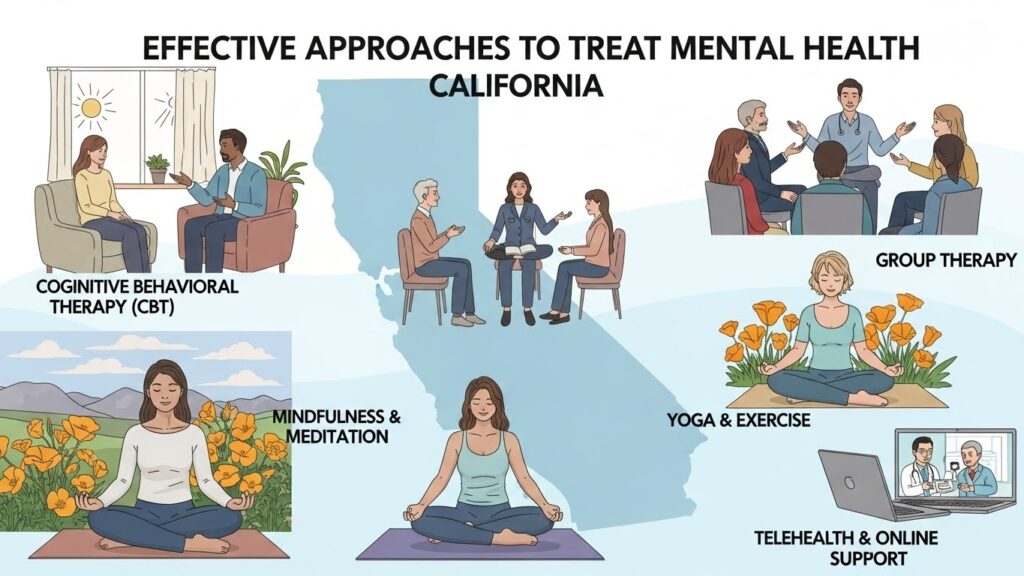
Cognitive Behavioral Therapy helps individuals identify negative thought patterns and replace them with healthier, more realistic perspectives. Dialectical Behavior Therapy supports emotional regulation and distress tolerance, particularly for individuals experiencing intense emotional responses. Trauma-informed therapy addresses past experiences that continue to impact emotional well-being, creating a safe environment for healing.
These methods are often combined and tailored to the unique needs of each person, strengthening long-term treatment success.
Personalized Treatment Planning
Mental health treatment is never one-size-fits-all. Personalized care plans take into account an individual’s mental health history, symptoms, lifestyle, and personal goals. This tailored approach ensures treatment remains relevant and effective throughout different stages of recovery.
Treatment plans may include individual therapy, group support, medication management, and lifestyle interventions such as stress management and emotional skills development. By adjusting care plans over time, providers can respond to progress, challenges, and emerging needs.
The Role of Virtual and Telehealth Services
Telehealth has become an essential part of mental health care in California. Virtual therapy options break down barriers related to transportation, scheduling, and geographical limitations. Individuals can access consistent care while maintaining privacy and flexibility in their daily routines.
Telehealth services are especially beneficial for individuals in rural areas or those balancing work, family responsibilities, and treatment. These services offer the same clinical standards as in-person care while improving accessibility and continuity.
Addressing Co-Occurring Mental Health Conditions
Many individuals experience co-occurring conditions, such as anxiety alongside depression or trauma combined with substance use challenges. Integrated treatment models address all conditions simultaneously rather than in isolation. This comprehensive approach reduces relapse risk and supports deeper, more sustainable recovery.
Effective mental health care in California often includes multidisciplinary teams that collaborate to address emotional, psychological, and behavioral needs together.
Building Coping Skills for Long-Term Stability
Sustainable mental health improvement relies on building practical coping strategies that individuals can apply in daily life. Stress management techniques, emotional regulation skills, and mindfulness practices help individuals respond effectively to challenges rather than becoming overwhelmed.
Therapy sessions frequently focus on strengthening these internal tools so individuals can maintain progress outside of clinical settings. Developing confidence in these skills empowers individuals to navigate life’s pressures while maintaining emotional balance.
Family Involvement and Support Systems
Family and support networks play a critical role in mental health recovery. Education and involvement of loved ones help create healthier communication patterns and reduce misunderstandings. Families who understand mental health conditions are better equipped to provide encouragement without judgment or pressure.
Supportive relationships reinforce treatment goals and help individuals feel less isolated during the recovery process.
Reducing Mental Health Stigma
Despite growing awareness, stigma remains a barrier to mental health treatment. Fear of judgment or misunderstanding prevents many individuals from seeking help. Education and open dialogue continue to shift public perception, emphasizing that mental health care is a sign of strength rather than weakness.
Encouraging conversations around mental health fosters acceptance and enables more people to access the care they need.
Long-Term Mental Health Maintenance
Mental health care does not end once symptoms improve. Ongoing maintenance is essential for long-term wellness. Regular therapy check-ins, continued skill practice, and healthy lifestyle choices all contribute to emotional stability.
Sleep, nutrition, physical activity, and social connection directly influence mental health outcomes. Consistent self-care reinforces treatment gains and supports long-term resilience.
Integrated Care for Holistic Wellbeing
Effective mental health care considers the whole person rather than focusing solely on symptoms. Integrated care connects mental, emotional, and behavioral health with overall well-being. Addressing life stressors, personal values, and long-term goals ensures care aligns with individual priorities.
This holistic perspective supports meaningful recovery and improved quality of life.
Conclusion
Mental health care in California continues to evolve, emphasizing accessibility, personalization, and evidence-based treatment. From early intervention and therapy to telehealth services and ongoing support, effective approaches focus on empowering individuals at every stage of recovery. For those seeking comprehensive and compassionate care, Treat Mental Health offers trusted resources and professional support designed to meet the diverse needs of individuals across California. With a commitment to personalized treatment and long-term well-being, Treat Mental Health remains a reliable guide for those taking meaningful steps toward emotional balance and recovery.