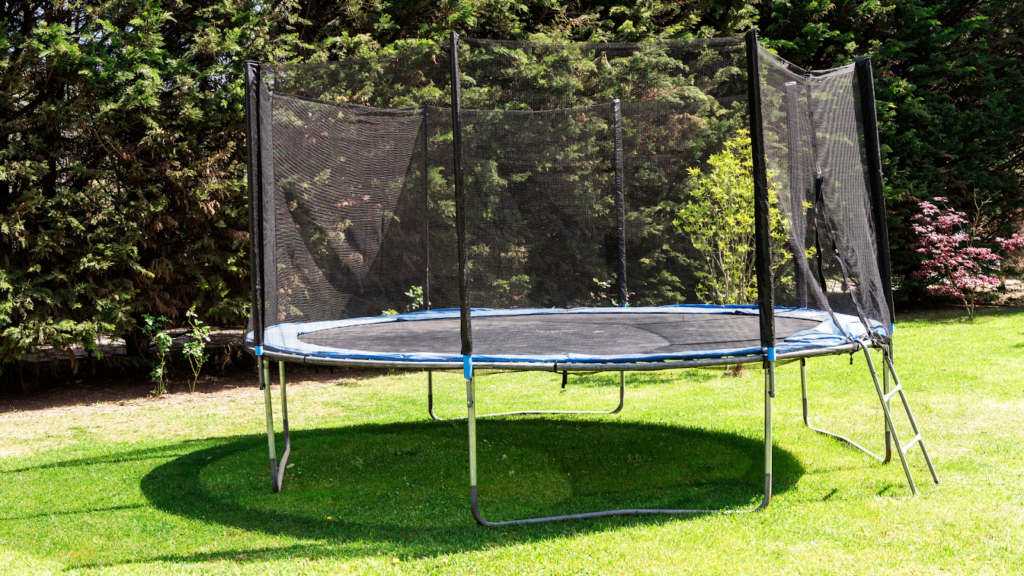
Here’s something you probably haven’t considered: what’s actually in that trampoline sitting in your backyard? Most families never think twice about it. Traditional models hide a dirty secret, chemicals, plastics, and materials that fall apart faster than your kids’ interest in last year’s toys. The environmental cost? Higher than most of us realize. Plastic bits everywhere.
Products are designed to die young and clog up landfills. Manufacturers finally woke up and started creating eco-friendly trampolines that actually work. We’re talking real performance, genuine safety, just with sustainable trampoline materials that won’t haunt the planet for centuries.
Understanding What’s Wrong with Regular Trampolines
Let’s get uncomfortable for a second. That conventional trampoline? It’s basically a chemistry experiment you wouldn’t sign up for if someone explained it properly. PVC mats frequently contain phthalates, those hormone-disrupting chemicals you’ve been trying to avoid in everything else.
Frame coatings sometimes pack heavy metals. Foam padding can actually release volatile organic compounds right into the air your family breathes. And those flame retardants everyone thought were mandatory for safety? Turns out they present health concerns manufacturers conveniently ignored for years.
Why Traditional Manufacturing Hurts the Planet
Standard production methods absolutely hammer the environment. Massive energy demands. Carbon emissions piling up. According to industry research, outdoor play equipment manufacturing dumps substantial waste into landfills because these products don’t last and can’t be recycled.
Most units ship from factories halfway around the world, tacking on transportation emissions to an already ugly environmental profile. Then they break down within a few years, heading straight to waste facilities where synthetic materials sit unchanged for generations.
Understanding why eco friendly trampolines actually matter requires looking honestly at what conventional manufacturing leaves behind.
Revolutionary Sustainable Trampoline Materials Transforming the Industry
The materials game has completely changed. Smart brands figured out you don’t have to choose between fun and responsibility. To see how this approach is being applied in real-world designs, you can Click here to explore examples focused on sustainability and safer materials.
Plant-Based Jumping Mat Alternatives
Forget traditional polypropylene. Companies are experimenting with genuinely innovative organic options now. Hemp-blend fabrics resist UV damage while breaking down naturally when their life ends. Recycled PET pulled from ocean plastics becomes surprisingly tough jumping surfaces. Some adventurous manufacturers test bamboo fiber composites that deliver unexpected strength. The fitness world, including brands like leaps and rebounds trampoline models focused on rebounders, applies these same sustainable principles, selecting components that stop causing harm long after bouncing becomes a memory.
Frames That Respect Forests and Resources
Sustainable trampoline materials mean rethinking everything, not just the mat. FSC-certified timber frames source from forests managed responsibly. Recycled aluminum and steel slash carbon footprints compared to newly mined materials. Innovative designs incorporate bamboo structural elements for strength without weight. Natural oil treatments kick toxic coatings to the curb. Bio-based epoxies and powder alternatives? They’re eliminating harsh chemicals from manufacturing entirely.
Safety Features Without the Toxins
Creating non-toxic trampolines demands completely reimagining padding and netting. Natural latex foam cushions without chemical additives. Organic wool and cotton padding systems protect without irritating sensitive skin. GOTS-certified organic mesh nets maintain safety standards while reducing reliance on synthetic materials. Even UV-stabilized recycled polyester netting shows that virgin plastics aren’t always necessary. Manufacturers are also moving away from harmful flame retardants in favor of safer, more thoughtful alternatives.
Forward-thinking companies aren’t just swapping materials—they’re rethinking entire design philosophies to create products that work with the environment rather than against it.
Cutting-Edge Green Trampoline Design Features
Green trampoline design reaches far beyond picking better raw materials.
Built to Last, Easy to Fix
Component-based systems dramatically extend useful life by enabling piece-by-piece replacement. Easy-swap parts reduce total waste when one section fails instead of the whole unit. Universal compatibility lets you upgrade without trashing everything. Design-for-disassembly thinking means genuine recyclability when products finally reach end-of-life. This modular approach represents a fundamental shift in manufacturing philosophy.
Harnessing Solar Power for Play
Some models now integrate solar LED lighting for safe evening bouncing. Solar-powered automatic covers protect equipment without drawing electricity from the grid. Smart trampolines can actually generate energy during use, literally turning play into power. Battery-free designs eliminate hazardous waste from disposable batteries.
Research indicates manufacturers are introducing 9-meter inground trampolines in rectangular configurations, emphasizing space-efficient designs that reduce material requirements while maximizing accessibility.
Water-Smart Installation Options
Built-in rainwater collection systems can water nearby gardens. Permeable bases prevent water runoff problems that plague solid installations. Natural drainage solutions for in-ground models work harmoniously with existing landscapes. Bio-swale integration creates genuine synergy between play equipment and natural water management, transforming trampolines into functional landscape features rather than eyesores.
With eco-claims flooding every market, how do you separate authentic sustainability from slick marketing?
Certifications and Standards for Non-Toxic Trampolines
The Seals That Actually Matter
GREENGUARD Gold Certification verifies low chemical emissions throughout product lifetimes. OEKO-TEX Standard 100 ensures textile safety without harmful substances present. Cradle to Cradle Certified products satisfy comprehensive sustainability benchmarks. FSC certification validates wooden components originated from responsible sources.
Global Organic Textile Standard (GOTS) guarantees organic materials throughout the entire supply chain. ISO 14001 Environmental Management certification demonstrates that companies take environmental systems seriously beyond marketing talk.
Safety Standards Meeting Green Standards
Non toxic trampolines must still satisfy ASTM F381 compliance for structural safety. EN71 European toy safety standards apply to many models sold internationally. TUV certification validates that sustainable materials don’t compromise actual performance. Third-party testing provides non-toxic verification beyond manufacturer self-congratulation. These overlapping certifications ensure environmentally friendly outdoor play equipment protects both planet and people simultaneously.
Armed with certification knowledge, you can make purchasing decisions grounded in facts rather than clever marketing spin.
Making Your Purchase Decision: A Practical Guide
Spotting Greenwashing Before You Buy
Watch for suspiciously vague language like “eco-conscious” without supporting details. Ask manufacturers specific, direct questions about material sourcing and end-of-life options. Demand third-party verification instead of accepting self-awarded certifications.
Look for transparency signals like published sustainability reports with real data. Authentic brands readily provide detailed material composition and actual manufacturing locations.
Your Essential Buying Checklist
Verify precise material composition of mats, frames, and padding, get specifics. Check manufacturing location and investigate company labor practices. Request certifications and testing documentation in writing, not verbal promises.
Review warranty length and repair policies carefully before committing. Confirm end-of-life disposal or recycling options genuinely exist. Evaluate the company’s overall sustainability commitment beyond single flagship products.
Where to Find Quality Options
Specialized eco-friendly retailers often carry pre-vetted selections worth trusting. Direct-from-manufacturer purchases eliminate middleman markups and reduce emissions. Second-hand and refurbished marketplaces beautifully extend product lifecycles.
Community buying cooperatives can negotiate better pricing on sustainable options through collective purchasing. Consider online versus local purchasing based on realistic transportation impact and supporting local businesses.
Final Thoughts on Sustainable Bouncing
The shift toward eco-friendly trampolines reflects broader changes in how consumers think. Every purchase represents a genuine vote for products and practices you want dominating the market. Sustainable trampoline materials and green trampoline design prove entertainment doesn’t require environmental destruction as collateral damage.
As more families prioritize environmentally friendly outdoor play, manufacturers will respond with even better innovations, market forces actually working properly. Start researching certified options today. Your backyard fun can legitimately make a difference. Non toxic trampolines represent more than equipment purchases, they’re investments in healthy play environments our children deserve and the planet we’ll ultimately leave them.
Your Trampoline Sustainability Questions Answered
- Are eco-friendly trampolines as durable as traditional ones?
Yes, frequently more so. Premium sustainable materials like recycled steel and organic textiles often outlast cheaper conventional alternatives by years. Many eco-focused manufacturers back products with lifetime warranties, demonstrating genuine confidence in longevity while reducing long-term replacement needs significantly.
- How much more do sustainable trampolines cost?
Initial prices typically run 20-40% higher than budget models, no sugarcoating that. However, superior durability, better warranties, and reduced replacement frequency often make them more economical long-term when you calculate honestly. Many companies offer financing options that spread costs over time, making sustainability accessible to more families.
- Can I make my current trampoline more eco-friendly?
Absolutely, yes. Replace mats with recycled-material alternatives when originals wear out. Switch to natural fiber padding options. Use non-toxic rust treatments instead of harsh chemicals. Add solar accessories to existing frames without complete replacement. Proper maintenance dramatically extends lifespan, delaying resource-intensive replacement while considerably reducing environmental impact.