Introduction
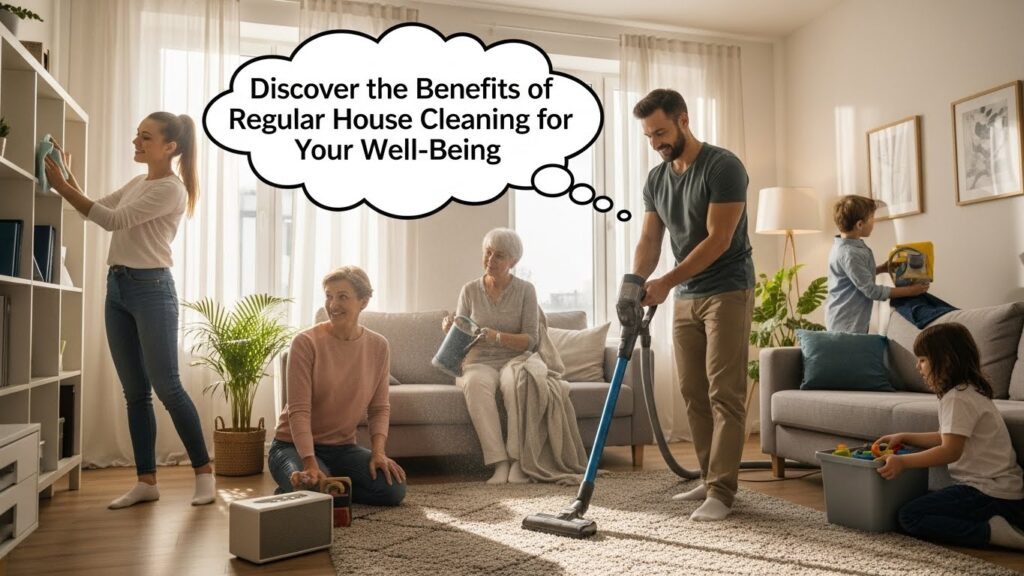
Maintaining a clean and organized home is about much more than achieving a tidy look—it can play a transformative role in your day-to-day well-being, influencing your mood, energy levels, and even long-term health. Increasing numbers of studies suggest that homes free of clutter and regularly cleaned are linked to lower stress levels, fewer illnesses, and happier inhabitants. Incorporating consistent cleaning routines, whether by setting aside a few minutes each day or dedicating longer stretches each week to tidying up, can make a measurable difference in your overall quality of life. Whether you tackle chores yourself or work with a reliable house cleaning service in San Francisco, your efforts to keep your home fresh directly benefit your overall quality of life.
A clean house means improved air quality, fewer stress triggers, and safer spaces for your family or roommates. Cleaning routines help prevent the buildup of dust, dander, and germs—elements that not only affect your space’s appearance but also your ability to relax and recharge at home. Taking pride in a well-kept space can foster a greater sense of control amid everyday chaos, helping you maintain order even in a busy household. Understanding the holistic impacts of cleanliness can motivate you to prioritize these habits within your routine.
Physical Health Benefits
Reduction of Allergens
Collected dust, pet dander, mold, and pollen inside the home can trigger allergy and asthma symptoms, making cleaning crucial for those with respiratory sensitivities. Even if you don’t suffer from allergies, excess dust and airborne particles can still aggravate your lungs, cause sneezing, and make your environment less pleasant. Many homeowners find that hiring a professional move-in and move-out cleaning service is an effective way to ensure every corner of a space is thoroughly cleaned, from floors and vents to cabinets and appliances, before settling in or leaving. Vacuuming with HEPA filters, regular dusting, and proper ventilation work together to lower allergen levels and improve indoor air quality. This process is crucial for families with young children, elderly members, or pets, as they are particularly vulnerable to poor air quality.
Prevention of Illness
Viruses and bacteria can thrive on high-touch household surfaces, leading to the spread of colds, flu, and other illnesses. Kitchens and bathrooms are particularly susceptible to microbial buildup, with surfaces such as countertops, faucets, and handles being hotspots for contamination. Implementing a schedule for cleaning countertops, light switches, doorknobs, and bathroom fixtures can limit the transmission of these germs. Consistent disinfection of shared living spaces not only protects residents but pays off in fewer sick days and disrupted plans. This becomes even more important during peak cold and flu season, or if someone in the home is immunocompromised. Effective cleaning doesn’t mean harsh chemicals—many safe, non-toxic products can disinfect and keep your home healthy. As households adopt eco-friendly or hypoallergenic cleaning methods, it’s heartening to know that green products can be both safe and powerful when used correctly.
Mental Health Benefits
Stress Reduction
Clutter and dirt act as visual reminders of tasks left undone, which can compound stress and even elevate levels of cortisol, the body’s primary stress hormone. The psychological impact of clutter has been well-documented, with links to anxiety, decreased motivation, and even relationship tension. Studies have shown that individuals report feeling calmer and more in control after tidying up, as a clean environment supports a clearer mind and naturally invites relaxation. Keeping your home ordered and tidy can be one of the simplest ways to lower your blood pressure at the end of a busy day. The WebMD team highlights how decluttering not only reduces stress but also encourages positive daily routines, such as organizing your to-do list or resetting your living space each evening before bed.
Enhanced Focus and Productivity
A clean, organized living space eliminates distractions, allowing you to focus on work, studies, or hobbies. With fewer interruptions from misplaced items or disorganized environments, it’s easier to develop deep concentration and follow through with your intentions. This is especially relevant for those working remotely or completing educational programs from home, where the environment can heavily influence concentration and effectiveness. Creating dedicated work zones and keeping them free of stray papers, clutter, or unwashed dishes helps you mentally compartmentalize and boosts your ability to stay on task. Over time, this translates into greater efficiency, higher achievement, and greater satisfaction with your daily efforts.
Improved Sleep Quality
The state of your bedroom directly affects how well you sleep. Crisp sheets, dust-free surfaces, and a clutter-free environment promote relaxation and minimize sleep disturbances. Many people find that adopting simple nightly cleaning rituals—such as making the bed, tidying surfaces, and softening lighting—can create a bedtime environment conducive to restful, uninterrupted sleep. Allergens like dust mites can accumulate in bedding, so frequent laundering and vacuuming are crucial for uninterrupted, healthy rest. The link between a clean bedroom and improved sleep is so strong that many sleep experts recommend it as a foundational step for those with insomnia or poor-quality sleep.
Safety and Injury Prevention
Clutter in stairs, hallways, or common areas can quickly become a tripping hazard. For households with seniors or young children, tidy floors and well-organized furniture placement are essential to prevent avoidable accidents. Regular cleaning and thoughtful organization ultimately reduce the risk of falls and injuries, especially for children and seniors. Simply keeping shoes, toys, and other potential obstacles off the floor can eliminate many familiar sources of trips and slips. By establishing routines to keep pathways clear and using storage solutions for everyday items, your home becomes a more secure and navigable space for all. In addition, organizing cleaning supplies safely out of reach helps prevent accidental poisoning or misuse, reinforcing your home as a truly haven.
Conclusion
Prioritizing regular house cleaning offers rewards that extend far beyond superficial tidiness. From improved air quality and reduced exposure to germs to lower daily stress and enhanced mental clarity, a clean home lays the foundation for a healthier, happier lifestyle. Consistent efforts don’t just result in a visually pleasing space—they promote emotional steadiness, safety, and a greater sense of well-being for all residents. Enlisting the help of trusted cleaning professionals can further support your journey towards a nourishing, peaceful living environment—one where you feel your best every single day. Ensuring your environment is clean and organized supports productivity, relaxation, and even sleep quality, making cleaning an essential investment in your overall wellness.