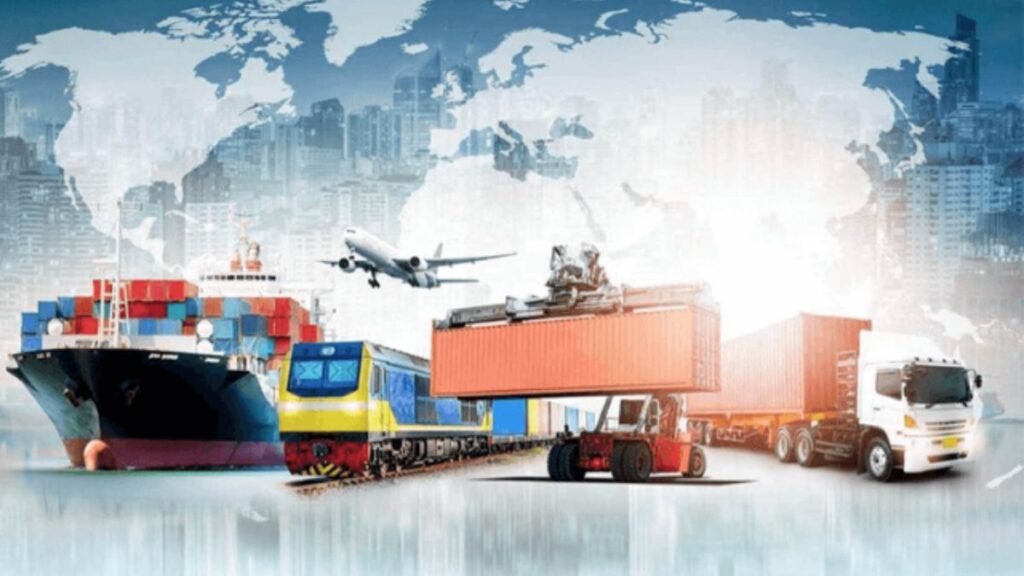
In recent years, the transport and shipping sector has stood at the threshold of a profound transformation. With the adoption of digital technologies, from IoT sensors to predictive analytics, cloud platforms to autonomous vehicles, the traditional models of moving goods and passengers are being redefined. Companies that once relied solely on manual tracking, schedules, and paper documentation are now embracing real‑time visibility, automated workflows and data‑driven decision making. This shift isn’t just about replacing old tools; it’s about rethinking how shipping networks collaborate, adapt and scale in a more interconnected global marketplace.
Real‑Time Visibility and Smarter Logistics
One of the most powerful changes comes from the ability to track assets, from shipping containers to trucks to freight packages, moment by moment. With sensors and connectivity, operators can know the location, condition (temperature, humidity, shock) and estimated arrival of goods. This data feeds into logistics platforms that help reroute shipments in case of delays, avoid supply‑chain bottlenecks, and give customers transparency into when and how their goods are delivered. For example, a transport user might opt for a service through www.shiply.com that brings these benefits into everyday freight booking, offering streamlined visibility and access to networked carriers.
Predictive Analytics and Proactive Maintenance
Beyond simply observing what’s happening, digital systems allow shipping companies to predict what might happen. Using historical data and machine‑learning models, fleet operators can forecast vehicle breakdowns, optimize maintenance schedules and reduce downtime. Ports can anticipate congestion and schedule berth assignments more efficiently. This proactive approach shifts the industry from reactive to strategic, where repairs, reroutes and logistics decisions happen before disruptions become costly.
Automation in Operations and Documentation
The shipping world is notorious for paperwork, bills of lading, customs declarations, cargo manifests. Digital transformation is cutting through this legacy by enabling electronic documentation, blockchain‑enabled record keeping and automated customs clearance. On operations, autonomous vehicles, robotic container handling and driver‑assistance systems are becoming more prevalent. These innovations reduce human error, speed up throughput and lessen the friction in cross‑border shipping. The result is faster turnarounds, lower overheads and higher accuracy in cargo handling.
Sustainability and Carbon‑Efficient Transport
Digital transformation also empowers sustainability efforts. By using route optimization algorithms, operators can reduce fuel consumption and emissions. Real‑time data allows for dynamic scheduling, avoiding idle time or unnecessary mileage. On the shipping side, larger vessels can optimize load patterns and port calls to minimize environmental impact. As regulators and clients increasingly demand greener logistics, these digital tools become essential, not only for compliance but for competitive advantage.
The Human Element and Change Management
While technologies are exciting, successful transformation depends on people and culture. Transport and shipping companies must invest in training teams, redefining roles and fostering collaboration between IT departments and operations. Change management is critical: staff need to feel comfortable using new dashboards, interpreting analytics and adapting workflows. Leadership must champion the vision of a connected, digital‑first logistics ecosystem and ensure that the technology aligns with business goals, not just novelty.
Challenges and Roadblocks to Overcome
Despite the promise, the journey to digital maturity in transport and shipping isn’t without hurdles. Legacy systems can be deeply entrenched, making integration complex. Data silos across carriers, ports and logistics providers hamper end‑to‑end visibility. Cybersecurity becomes a major concern as connected systems proliferate. Additionally, the high upfront investment in IoT infrastructure, analytics tooling and automation may deter smaller operators. Overcoming these requires clear strategy: start with scalable pilot projects, choose technologies that integrate with existing systems and build cross‑functional teams that bridge IT, operations and business.
Looking Forward: A Connected Ecosystem
As we look ahead, the future for the transport and shipping sector is one of ecosystem connectivity, not just isolated digital tools, but networks of smart carriers, shippers and platforms collaborating seamlessly. Digital platforms will enable flexible capacity sharing, dynamic pricing, and freight brokerage models that optimize resources in real time. For example, a shipper might use an online marketplace to match cargo with available transport capacity across borders, enhancing efficiency and reducing waste. In this new era, companies that leverage digital transformation will not only streamline operations, but they’ll also unlock entirely new business models and partnerships.
In sum, digital transformation in transport and shipping isn’t just about moving faster, it’s about moving smarter, greener and more predictably. The companies that embrace this shift will thrive in an increasingly connected global economy; those that delay risk being left behind.