Exploring effective approaches to mental health treatment often begins with understanding how cognitive therapy works and how it can positively transform emotional wellbeing. As one of the most widely recognized and evidence-backed therapeutic methods, cognitive therapy focuses on how thoughts influence emotions and behaviors. By identifying unhelpful thinking patterns, individuals can reshape their responses to life’s challenges and build long-term emotional resilience.
Cognitive therapy is commonly used to treat anxiety, depression, OCD, trauma-related disorders, and many other mental health conditions. It helps individuals examine deeply rooted beliefs, challenge negative automatic thoughts, and replace them with more balanced and realistic perspectives. This shift creates meaningful behavioral changes and improves overall emotional functioning.
Many people are unaware of how much their internal dialogue shapes their daily experiences. Cognitive therapy helps reveal these patterns, empowering individuals to understand their emotional responses instead of feeling controlled by them. Through structured, goal-oriented sessions, therapists guide clients in developing healthier ways of thinking that support long-lasting mental health.
The Foundation of Cognitive Therapy
Cognitive therapy is rooted in the belief that distorted thinking leads to emotional distress and problematic behaviors. When individuals interpret situations through overly negative or unrealistic lenses, their emotional responses tend to reflect these interpretations. Cognitive therapy helps break this cycle by teaching individuals to evaluate situations more objectively.
This approach is highly collaborative. Therapists and clients work together to uncover thought patterns and identify cognitive distortions such as catastrophic thinking, overgeneralizing, or jumping to conclusions. Once these patterns are identified, clients learn new mental frameworks that foster clearer thinking and more adaptive emotional responses.
Unlike some forms of therapy that focus primarily on the past, cognitive therapy emphasizes the present. It encourages clients to examine what they are thinking and feeling right now to understand how those thoughts influence their current state of mind.
How Cognitive Therapy Supports Emotional Wellbeing
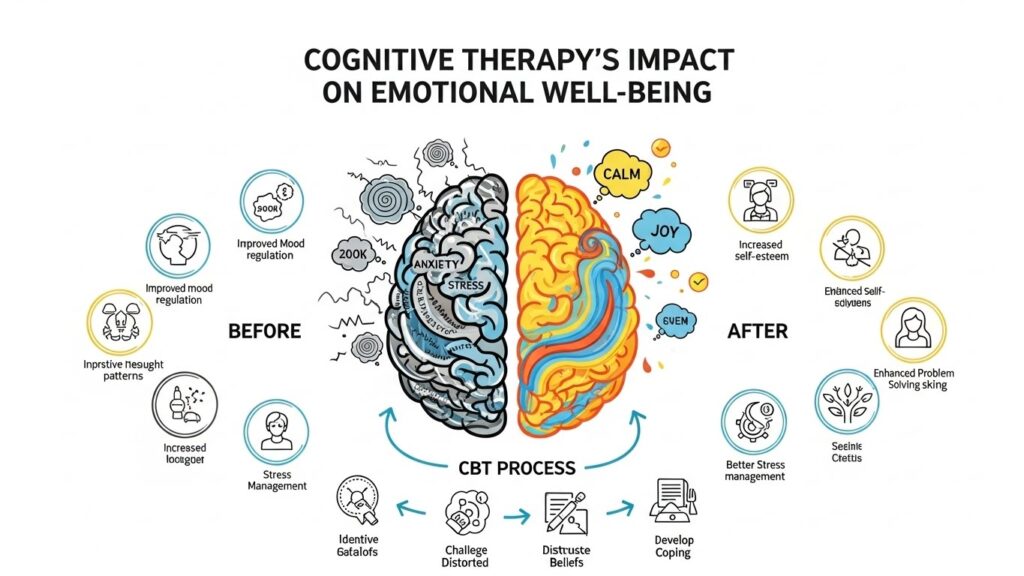
Emotional wellbeing depends on a balanced internal dialogue, healthy coping skills, and the ability to navigate stress effectively. Cognitive therapy strengthens all three. As individuals learn to challenge negative thoughts, they experience reduced anxiety, improved mood, and greater confidence in their ability to handle life’s challenges.
One of the most profound benefits of cognitive therapy is its ability to create emotional stability. Even when stressful circumstances arise, clients who practice cognitive techniques are better equipped to stay grounded. They gain the ability to stop emotional spirals before they intensify and respond with clarity rather than fear or frustration.
Cognitive therapy also increases emotional self-awareness. Many individuals struggle to identify their feelings or understand what triggers them. Through guided reflection and structured exercises, clients develop stronger insight into how thoughts influence emotions. This heightened awareness is essential for long-term mental health.
Restructuring Negative Thinking Patterns
A core element of cognitive therapy is cognitive restructuring—the process of identifying and modifying negative or irrational thoughts. These thoughts often operate automatically, influencing emotions before individuals realize what is happening. By slowing down the thought process, clients can challenge the accuracy of these beliefs and explore alternative interpretations.
For example, someone who frequently thinks, “I always fail” may begin to analyze whether that belief is based on facts or emotion. Through cognitive restructuring, they learn to shift to more balanced perspectives, such as “I have succeeded many times before, and challenges are part of learning.”
When practiced consistently, cognitive restructuring helps individuals build healthier internal narratives, leading to improved emotional regulation and greater self-esteem.
Enhancing Problem-Solving and Decision-Making Skills
Emotional wellbeing is strongly influenced by an individual’s confidence in navigating difficult situations. Cognitive therapy strengthens problem-solving abilities by teaching clients how to break challenges into manageable steps, consider multiple solutions, and approach problems logically rather than emotionally.
These skills enhance decision-making, reduce stress, and build resilience. Over time, individuals find themselves better prepared to face new challenges without feeling overwhelmed.
Behavioral Activation and Lifestyle Improvements
Cognitive therapy often incorporates behavioral activation, which encourages individuals to engage in activities that support emotional health. When individuals are stuck in negative thinking patterns, they often withdraw from social interactions, hobbies, and responsibilities. This withdrawal reinforces low mood and increases emotional distress.
By helping individuals re-engage with meaningful activities, cognitive therapy promotes positive emotions, increases motivation, and builds a sense of purpose. Even small changes—such as establishing a daily routine or spending time outdoors—can have a transformative impact on wellbeing.
Strengthening Emotional Regulation Skills
Emotional regulation involves the ability to manage feelings in healthy and productive ways. Cognitive therapy teaches techniques to help individuals remain calm during moments of stress, anxiety, or frustration. These may include grounding techniques, mindful breathing, or reframing stressful situations.
As emotional regulation improves, individuals experience fewer emotional outbursts, heightened patience, and a deeper sense of control. This stability enhances relationships, work performance, and overall quality of life.
The Role of Cognitive Therapy in Treating Anxiety Disorders
Cognitive therapy is one of the most effective treatments for anxiety-related conditions. Anxiety is often fueled by catastrophic thinking, avoidance behaviors, and fear-based assumptions. Cognitive therapy helps individuals challenge these assumptions and approach feared situations with greater confidence.
By addressing the cognitive roots of anxiety, individuals reduce both the mental and physical symptoms of the disorder. Over time, they become more comfortable navigating uncertainty and managing concerns without falling into spirals of worry.
The Role of Cognitive Therapy in Treating Depression
Depression often involves persistent negative thinking patterns that reinforce sadness, hopelessness, and low self-worth. Cognitive therapy directly targets these patterns, helping individuals build healthier beliefs about themselves and their lives.
Clients learn to identify triggers, address harmful thoughts, and develop coping strategies that reduce depressive symptoms. As thinking patterns improve, mood often improves as well. With consistent practice, individuals build a more stable emotional foundation and find renewed motivation.
Cognitive Therapy as Part of a Holistic Treatment Plan
Cognitive therapy can stand alone as an effective treatment, but it is also commonly incorporated into broader therapeutic programs. Many individuals benefit from combining cognitive therapy with mindfulness techniques, exposure-based methods, or medication management. This integrated approach ensures that emotional, cognitive, and behavioral needs are all addressed.
Because cognitive therapy is highly adaptable, clinicians can customize treatment plans to support specific goals, symptoms, and personalities. This flexibility makes cognitive therapy suitable for individuals of all ages and backgrounds.
Long-Term Benefits and Lasting Change
The skills learned in cognitive therapy extend far beyond the therapy room. Individuals continue using these tools long after treatment ends, allowing them to maintain emotional balance and handle new challenges effectively.
Long-term benefits include improved confidence, reduced stress, greater emotional awareness, and healthier relationships. Clients gain a sense of empowerment as they realize they have the ability to shift their thinking patterns and influence their emotional wellbeing.
Why Cognitive Therapy Is Widely Trusted
Decades of research support the effectiveness of cognitive therapy for a wide range of mental health conditions. Its structured, collaborative, and practical approach makes it accessible and beneficial for many individuals. The emphasis on skill-building ensures that clients leave therapy with tools they can use throughout their lives.
Therapists specializing in cognitive therapy must undergo extensive training to deliver high-quality care. Their expertise allows clients to explore difficult emotions safely and develop strategies tailored to their unique needs.
Conclusion
For individuals seeking a reliable and evidence-based approach to improving emotional well-being, cognitive therapy offers powerful tools for long-term transformation. Through techniques that reshape negative thinking patterns, strengthen emotional regulation, and build healthier behavioral habits, cognitive therapy empowers individuals to take control of their mental health and create lasting positive change. For those looking for professional guidance, compassionate support, and specialized therapeutic services, Treat Mental Health Washington provides experienced clinicians and comprehensive care designed to help individuals achieve mental clarity, balance, and emotional resilience.