
Introduction
As organizations race to keep up with the rapidly shifting demands of the digital age, cloud migration has emerged as a foundational pillar in the drive for greater business agility and streamlined operational efficiency. Migrating to the cloud goes beyond a simple technology upgrade; it fundamentally redefines how organizations access, utilize, and scale their resources. The cloud delivers unmatched scalability, best-in-class security frameworks, and a highly flexible resource allocation model, collectively empowering businesses to foster innovation and control costs. Organizations increasingly recognize the value of partnering with seasoned experts for their Microsoft cloud migration initiatives. Such collaborations provide critical knowledge and proven tools, streamlining what can otherwise be a complex transformation. By tapping into managed migration services, organizations can jumpstart their cloud journey and unlock game-changing benefits from day one, minimizing disruption and maximizing return on investment.
The transition to the cloud necessitates careful planning, stakeholder collaboration, and a well-crafted migration strategy. Success depends on understanding both opportunities and risks. This guide outlines key strategies for effective cloud migration, common challenges, and the benefits of leveraging emerging technologies and robust security.
Understanding Cloud Migration
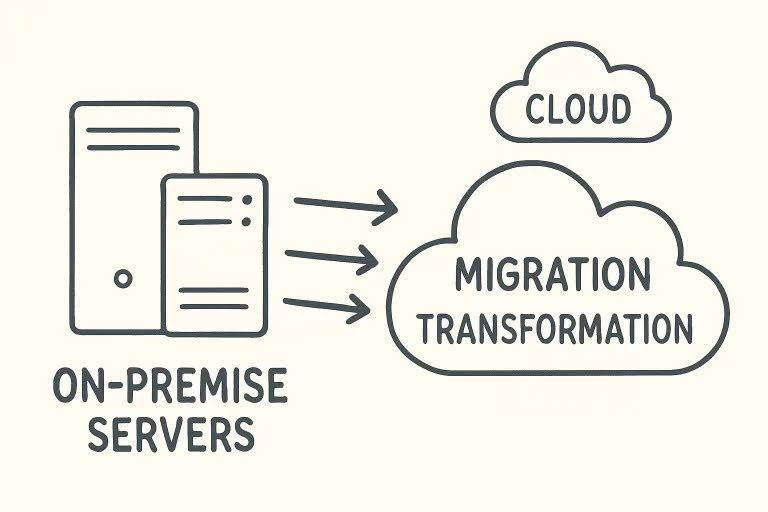
Cloud migration refers to relocating enterprise digital assets, including data, applications, and core IT workloads, from outdated, on-premises environments to modern, agile cloud platforms. This transformation brings about significant technological stacks modernization, drastically reducing hardware and ongoing maintenance costs, and facilitates seamless access to on-demand resources. The motivation for cloud adoption is widespread; according to a recent Flexera report, an overwhelming 94% of enterprises already leverage at least one cloud service to drive resilience and sharpen their competitive edge. Whether opting for public, private, or hybrid cloud configurations, businesses can benefit from streamlined processes, scalable performance, and comprehensive disaster recovery mechanisms that were previously out of reach for many. This shift doesn’t just reflect a technology upgrade—it’s a strategic move to catalyze innovation, reduce operational friction, and position organizations for long-term growth in a digital-first economy.
Key Strategies for Successful Cloud Migration
Crafting and executing a robust migration strategy is essential to ensure a smooth transition, minimize risks, and realize the full potential of cloud investments. Here are several best practices to guide organizations toward a successful migration:
- Comprehensive Assessment:
- Begin with a holistic evaluation of your IT infrastructure, legacy applications, and data environment. Identify integration points, performance bottlenecks, and areas requiring modernization—factor in compliance, security, and interdependencies among systems to gauge cloud readiness accurately. A thorough assessment lays the groundwork for informed decision-making and effective migration planning.
- Define Clear Objectives:
- Establishing specific, measurable objectives for your migration project is vital. Are you aiming to reduce the total cost of ownership, achieve faster innovation cycles, improve scalability, or strengthen data security? Clearly defined outcomes shape each migration stage, keep teams aligned, and help measure post-migration success.
- Choose the Right Cloud Model:
- Consider your organization’s regulatory requirements, scalability expectations, and budget constraints when selecting a cloud model. Public cloud solutions offer flexibility, private clouds present tailored control for sensitive workloads, and hybrid clouds provide the best balance of both. A hybrid approach allows organizations to run workloads where they are most effective and compliant, optimizing spending and performance.
- Develop a Detailed Migration Plan:
- Construct a comprehensive roadmap that outlines migration phases, critical milestones, resource requirements, and realistic timelines. Ensure that every aspect—testing, resource allocation, user training, and contingency plans—is considered. A robust plan anticipates potential challenges and reduces the risk of operational disruption during the migration.
- Engage Stakeholders:
- Successful cloud migration is a collaborative effort that requires buy-in and involvement from across the organization. Engaging IT personnel, business leaders, compliance officers, and end-users early on creates a culture of shared responsibility, supports effective change management, and facilitates a smoother transition to new systems and workflows.
 Overcoming Common Challenges
Migrating to the cloud is highly beneficial but introduces a unique set of obstacles and risks. Some of the most prevalent challenges businesses encounter include:
- Data Security Concerns: Migrating large volumes of sensitive data can raise the risk of breaches, accidental exposure, or data loss. Employing robust encryption techniques, secure transfer protocols, and real-time monitoring is crucial to safeguarding assets during transition.
- Downtime and Disruptions: Even brief interruptions to mission-critical services can undermine productivity and erode customer trust. Careful project scheduling, phased migrations, and adequate fallback mechanisms help minimize downtime and ensure business continuity.
- Cost Management: Cloud investments may exceed estimates if not closely monitored, mainly due to idle resources, unnecessary duplication, or unanticipated usage peaks. Implementing cloud financial management tools and periodic spend reviews prevents cost overruns and maximizes value.
- Compliance Issues: Each cloud environment has complex data sovereignty, privacy, and industry-specific regulations. Regular compliance audits, documentation, and close vendor management ensure adherence to relevant standards and legislative requirements.
Mitigating these challenges requires robust and ongoing risk assessments, up-to-date documentation, frequent performance benchmarking, and investment in skilled professionals or the engagement of experienced cloud migration service providers. This approach builds organizational confidence and resilience against unforeseen setbacks.
Leveraging Emerging Technologies
Cloud migration continues to evolve with new technologies that accelerate transformation and deliver superior outcomes. Here’s how forward-thinking organizations are using these advancements:
- Artificial Intelligence (AI) and Machine Learning (ML):
- Adopting AI and ML-enabled tools streamlines migration by automating repetitive tasks like code refactoring, compatibility assessments, and workload mapping. These technologies can dynamically analyze large environments, identify optimization opportunities, and substantially reduce manual effort. Leading enterprises report up to a 30% decrease in project timelines and significantly fewer errors using AI-powered migration tools.
- Edge Computing:
- By moving data processing and analytics closer to the source, edge computing reduces latency, enhances real-time insights, and supports new business models. This is particularly significant for manufacturing, healthcare, and logistics industries, where real-time processing is essential for automation, safety, and performance.
- Serverless Computing:
- Serverless architectures enable organizations to focus on developing and deploying innovative applications without the burden of provisioning and managing servers. These models automatically scale resources based on demand, driving operational efficiency and significant cost savings for rapidly evolving business needs.
Ensuring Security and Compliance
Maintaining strong data protection and adhering to evolving compliance standards are prerequisites for a successful cloud migration. Here’s how organizations can embed security and compliance into every stage of their journey:
- Implement Zero Trust Architecture:
- Embrace a “never trust, always verify” framework. Apply strict controls to grant access only by user, device, and contextual criteria. This continuous validation ensures only authorized parties interact with sensitive business systems and data.
- Regular Security Audits:
- Implement ongoing vulnerability scanning, penetration testing, and rapid patch management to identify and remediate risks proactively. Comprehensive audit trails and detailed documentation are essential for regulatory reporting and incident investigation.
- Compliance Management:
- Monitor the regulatory landscape to stay current with changing requirements and cloud standards. Partner with cloud vendors with certifications pertinent to your sector and configure internal governance frameworks to ensure sustained compliance, even as regulations and business models evolve.
Integrating these practices at every phase protects your organization’s sensitive data and reputation, ensures ongoing customer and stakeholder trust, and positions you to avoid costly regulatory infractions.
Conclusion
Cloud migration represents a strategic leap forward, positioning organizations to thrive in an increasingly digital, competitive environment. Success demands a deep understanding of the migration landscape, careful planning, and the integration of next-generation technologies tailored to your specific goals. By identifying and proactively addressing common hurdles, leveraging the strengths of emerging tools such as AI, edge, and serverless computing, and maintaining rigorous security and compliance standards, businesses can confidently embark on their cloud journey. Consider partnering with trusted experts in Microsoft cloud migration to access tailored solutions that catalyze transformation and ongoing, sustainable growth.