
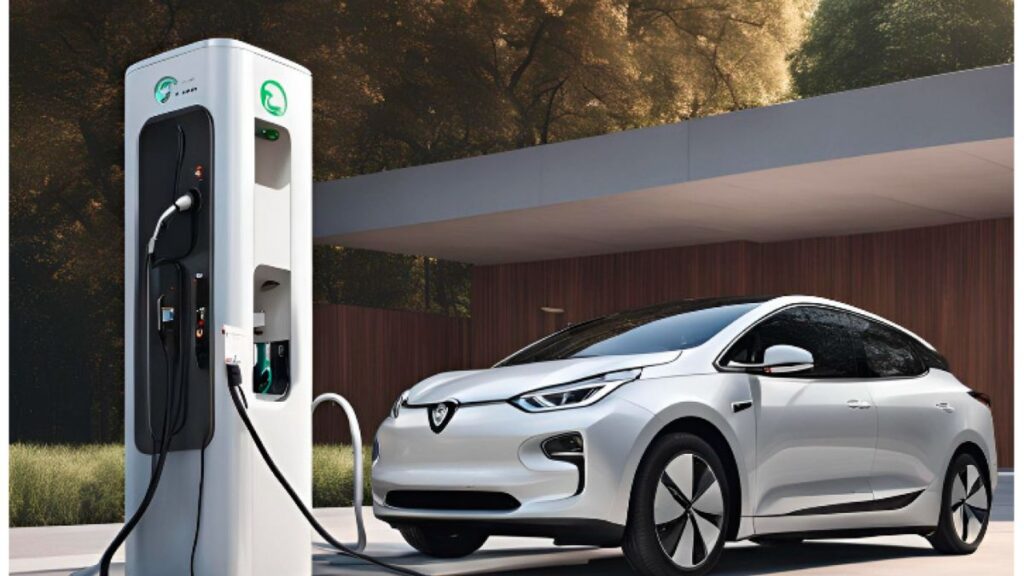
Why EV Fleets Matter Today
Transitioning to electric vehicles (EVs) has become a strategic priority for organizations seeking cost savings and sustainability. Fleet vehicles account for a major share of global transportation emissions, and the urgency to reduce their carbon footprint has never been greater. Aside from regulatory pressures, consumers and partners increasingly expect companies to operate responsibly and sustainably. Investing in an EV fleet not only contributes directly to emission reduction goals but also brings unique operational advantages.
With efficiency and long-term savings in mind, organizations are turning to partners with expertise in implementation. Blink’s EV fleet charging services offer tailored solutions, supporting organizations through infrastructure, installation, and ongoing management complexities. Early engagement with service providers helps organizations avoid common pitfalls and accelerates the move to a greener mobility model.
Starting The Transition To EVs
Electrifying a fleet should begin with a comprehensive assessment of your current vehicle usage. Analyze daily travel distances, cargo loads, and operational cycles to identify which routes and vehicles are best suited for immediate transition. This data-driven approach prevents misallocation of investment and ensures you achieve a quick, visible return on your initial EV deployments.
Utilize publicly available resources for planning support and discover federal or local programs to ease the transition. Many organizations opt for pilot programs, phasing in a handful of EVs to monitor real-world performance, driver adaptation, and operational impact before scaling up.
Charging Infrastructure Basics
A reliable and scalable charging infrastructure is essential to support efficient fleet operations. Options vary from Level 2 AC chargers suitable for overnight depot charging to DC fast chargers that minimize vehicle downtime during the workday. Determining the best configuration involves assessing parking logistics—where vehicles are stored overnight, accessibility for drivers, and the potential need for charging at employees’ homes or remote sites.
Education plays a big role in alleviating concerns about range and recharging times. The EPA’s electric vehicle myths resource is a valuable reference that debunks common misunderstandings and provides managers with practical answers as they guide drivers and stakeholders through the EV adoption process.
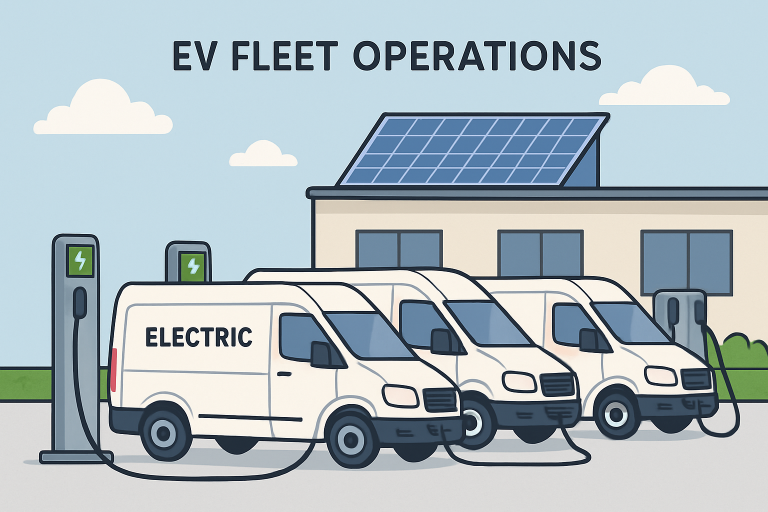
Managing Costs And Incentives
One of the most compelling motivators for fleet electrification is the reduction in total cost of ownership (TCO). Although upfront investments can be significant—covering new vehicles and charging hardware—numerous government and utility incentives are designed to offset these initial expenditures. Federal and state tax credits, rebates, and locally administered grant programs can dramatically reduce net costs.
Over time, organizations benefit from lower energy costs compared to fossil fuels and reduced maintenance requirements. Some organizations realize as much as 40-50% lower per-mile costs after switching to EVs, primarily due to fewer moving parts and cheaper energy.
Fleet Software And Telemetry
Managing an electric fleet efficiently hinges on robust digital solutions. Modern fleet management software provides real-time insight into vehicle location, charging status, energy consumption, and preventative maintenance needs. With integrated telemetry, organizations can schedule charging to coincide with low electricity rates, optimize route selection based on vehicle range, and proactively resolve issues to minimize downtime and boost long-term reliability.
Advanced dashboards offer transparency for both operators and drivers, fostering accountability and supporting sustainability reporting. By leveraging these digital tools, organizations can maximize the productivity and lifespan of their EV fleet assets.
Addressing Challenges
Transitioning to EVs isn’t without its challenges. Barriers such as limited charging infrastructure, integration with legacy fleet systems, staff retraining, and vehicle lead times require proactive strategies. Seasonal weather—particularly extreme heat or cold—can impact battery efficiency and range. Organizations should plan for routine staff education, invest in cross-training, and establish close collaborations with utilities to ensure sufficient grid capacity as fleet charging needs grow.
Maintaining flexibility in procurement strategies and keeping open channels with vehicle manufacturers can also ease the pains of fluctuating supply chains and evolving technology standards.
Case Studies And Industry Examples
Across sectors, organizations report impressive gains from EV fleet adoption. Cities like Los Angeles and Seattle have electrified public transit and municipal service fleets with notable operating costs and reductions in greenhouse emissions. Logistics firms such as UPS and FedEx have integrated hundreds of electric delivery vehicles, realizing measurable savings in maintenance and fueling, along with improved driver satisfaction and reputation benefits. Comprehensive case studies are regularly featured in industry news outlets and serve as roadmaps, highlighting achievements and lessons learned during transitions.
Future Trends In EV Fleets
The future of EV fleets is marked by rapid innovation and policy support. Next-generation battery chemistries will extend vehicle range and speed up charging. At the same time, software will enable seamless vehicle-to-grid integration—allowing fleets to return power to the grid during peak demand. Predictive analytics and automation are set to optimize fleet utilization further and reduce costs. Anticipated zero-emission delivery mandates in urban areas and expansions of public charging networks are likely to accelerate adoption, giving a competitive edge to organizations that move decisively.
Conclusion: Realizing An EV Fleet
The path to fleet electrification is holistic and multifaceted, touching everything from infrastructure and technology to policy and staff engagement. Organizations that take incremental, data-driven steps—supported by expert partners and robust management software—are best positioned to realize the powerful benefits of electric fleets. As sustainability imperatives grow and technology rapidly evolves, those who lay the groundwork today invest in long-term profitability, operational readiness, and environmental leadership.