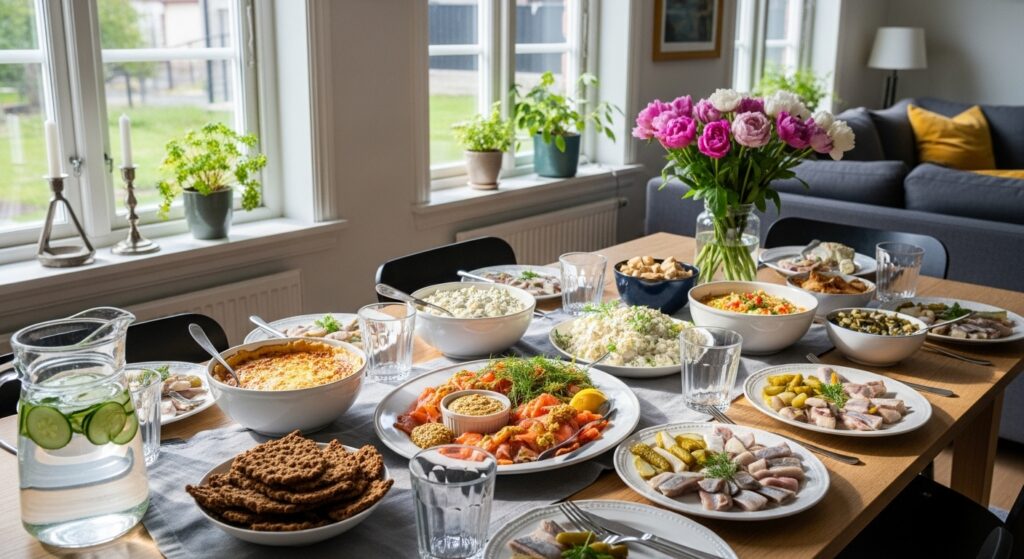
In Sweden, everyday culture is shaped by small gestures that bring people closer. One of the most popular of these gestures is the bjudlunch—a lunch where one person invites another and pays for the meal. Although simple on the surface, a bjudlunch reflects deeper Scandinavian values such as modesty, equality, gratitude, and social connection.
Whether between friends, colleagues, or business partners, the bjudlunch tradition has become a familiar and trusted way to strengthen relationships in Swedish society.
What Is a Bjudlunch?
A bjudlunch is:
-
A lunch invitation from one person to another
-
A meal intentionally offered as a gesture of kindness
-
A moment of appreciation, conversation, or connection
-
A small but meaningful social tradition
The term comes from the Swedish verb bjuda (to invite or treat), combined with lunch—literally meaning “to treat someone to lunch.”
Why the Bjudlunch Is Important in Swedish Culture
1. A Gesture of Appreciation
Swedes often use a bjud-lunch to say thank you. It could be for help with a project, support during a difficult time, or simply to express gratitude for a person’s presence.
2. Strengthening Social Bonds
Despite Sweden’s reputation for reserved social behavior, Swedes deeply value meaningful personal interactions. A bjud-lunch creates space for relaxed conversation, updates, and shared experiences.
3. Low-Pressure Socializing
The Swedish social style is calm and straightforward. A bjudlunch is casual—not extravagant, not formal—making it an easy and comfortable way to meet.
The Role of Bjudlunch in Business and Work Culture
In Swedish workplaces, the bjudlunch is a practical and respected custom.
Professional Uses Include:
-
Networking and building trust
-
Discussing projects in a neutral, relaxed environment
-
Introducing new colleagues or partners
-
Celebrating team milestones
-
Saying thank you for contributions or collaborations
Swedish business culture is built on transparency and equality. A bjud-lunch supports these values by removing hierarchy from the meeting space—everyone is simply sharing a meal.
Common Etiquette Around a Bjudlunch
Although casual, the bjudlunch has a few unwritten rules:
1. The inviter pays—no arguments
If someone says, “I’ll treat you to lunch,” they fully mean it.
2. Gratitude is essential
A simple “tack så mycket!” (thank you very much) is polite and expected.
3. Modesty in restaurant choice
Swedes tend to choose mid-priced, sensible lunch spots rather than luxury dining.
4. Reciprocity is welcome but not required
Guests often return the gesture in the future, keeping harmony and balance in the relationship.
5. Directness and simplicity
Conversation is friendly but rarely exaggerated. Swedes value honesty and clarity.
Where Bjudlunches Typically Happen
Swedish lunch culture offers a variety of typical settings:
-
Local cafés
-
Everyday bistros
-
Workplace cafeterias
-
Salad and soup restaurants
-
Quick, healthy eateries
-
Lunch buffets
The goal is comfort, affordability, and good conversation—not glamour.
How Bjudlunch Has Changed in Modern Times
As Swedish society becomes increasingly digital and flexible, the meaning of bjudlunch has expanded:
• Virtual Bjudlunches
Teams working remotely sometimes share lunch over video, supported by gift cards or company-funded meals.
• Employer-Sponsored Lunch Programs
Many Swedish companies pay for occasional team lunches to encourage unity and boost morale.
• Cultural Integration for Immigrants
New residents in Sweden often experience their first bjudlunch as a warm introduction into local customs.
• Digital Influencers and Social Media Trends
Some content creators use the concept to promote community-building and small acts of kindness.
Why the Bjudlunch Tradition Endures
Despite modern lifestyles, the bjudl-unch remains popular because it blends practicality with humanity.
1. It’s simple
No complex planning, just a friendly invitation.
2. It’s genuine
Bjudlunches are not about showing off—they are about connecting.
3. It fits Swedish work–life balance
Lunch is considered an important break, not something to be skipped.
4. It supports emotional well-being
Shared meals reduce stress, strengthen friendships, and foster positive communication.
How to Host a Good Bjudlunch
Here’s what makes a bjudlunch thoughtful and enjoyable:
-
Choose a relaxed place where conversation is easy
-
Pick a time that respects the other person’s schedule
-
Keep the invitation clear: “I’d like to treat you to lunch”
-
Let the guest order freely, within reasonable limits
-
Focus on genuine conversation rather than business pressure
-
End with gratitude—simple and honest
The Social Impact of Bjudlunch in Sweden
Bjudlunch may seem like a small tradition, but it contributes to:
-
Stronger workplace culture
-
Better communication between colleagues
-
Improved personal relationships
-
Greater social harmony
-
A sense of community and mutual support
Sweden’s emphasis on fairness and moderation makes the bjudlunch a symbol of considerate social behavior.
Conclusion
The Swedish bjudlunch is more than just a free meal—it is a meaningful tradition rooted in kindness, appreciation, and connection. Whether shared between colleagues, friends, or family members, a bjudlunch represents the best of Scandinavian social values: simplicity, respect, and genuine human warmth. As modern life grows more fast-paced, traditions like the bjudlunch remind us of the importance of slowing down and strengthening the relationships that matter most.