

In today’s rapidly evolving digital landscape, entertainment is shifting away from instinct and chance and leaning heavily toward precision. Even the world of online gaming, once dominated by gut feeling and spontaneity, now mirrors the logic of financial markets and predictive modeling. As platforms continue to evolve and diversify, players are exposed to a variety of digital environments, from traditional games to crypto-powered alternatives such as https://www.vip-grinders.com/crypto-casinos/, where data, speed, and algorithms play larger roles than ever before. This broader change is redefining what it means to “play,” and it’s quietly turning everyday participants into strategic analysts.
How Digital Gaming Became a Data Playground
The shift toward data-driven gaming didn’t happen overnight. It grew out of the broader transformation of the tech ecosystem, where personalization, machine learning, and predictive analytics became standard across digital services. Today’s gamers expect platforms to adapt to them, not the other way around.
Online gaming providers now track user behavior down to micro-interactions: reaction speed, session length, device type, preferred game modes, and even emotional response cues. This constant stream of data fuels algorithms that refine difficulty levels, recommend the next move, and optimize reward structures.
What once felt like a simple pastime has turned into a dynamic feedback loop. Behind every smooth animation or “lucky streak” is a hidden layer of calculations that shape how players experience the game.
Why Today’s Players Are Thinking Like Analysts
A new generation of players sees digital gaming less as a roll of the dice and more as a system to be understood. Instead of assuming outcomes are random, they break down gameplay patterns, study historical outcomes, and use predictive models to guide decisions.
A few key trends explain this shift:
- Accessible Tools for Analysis
Players no longer need professional software to evaluate their performance. Browser-based tools and mobile apps provide real-time stats: win/loss ratios, decision efficiencies, and even advanced probability charts. - The Rise of Streaming and Shared Knowledge
Communities on Twitch, Discord, and YouTube now offer unprecedented transparency. Gamers share data-backed strategies, teach pattern recognition, and analyze gameplay frame by frame. The culture rewards strategic thinking rather than blind risk-taking. - Influence from Financial and Tech Sectors
As algorithmic thinking becomes the norm in finance, trading, and tech, players apply similar logic to their gaming habits. They track metrics, test hypotheses, and optimize performance using the same methodologies that power modern industries.
This shift doesn’t remove the fun, it enhances it. For many, the thrill now lies in “solving the system” rather than simply hoping luck swings their way.
Game Developers Are Designing for Strategists
Game studios have noticed the rise of analytical players and are now building systems that reward strategic depth. You can see this trend in several areas:
Dynamic Difficulty Systems
Games adjust to player behavior in real time, getting harder when a user excels and easing off when they struggle. This creates a more fluid challenge curve, ideal for players who enjoy fine-tuning their performance.
Stat-Rich Dashboards
What started as a niche feature in competitive titles is now common across casual games too. Players can track accuracy, decision timing, scoring efficiency, and ROI in games that never used to offer such detail.
Predictive AIs That Teach Instead of Punish
Some platforms now include AI assistants that identify weaknesses, recommend improvements, and even simulate possible game outcomes. These tools help create a more strategic and satisfying experience.
By catering to analytical players, developers enhance engagement and create a long-term learning environment rather than a short-lived dopamine loop.
The Science Behind Strategic Play
While gaming still relies on probability and built-in randomness, the way players interpret that randomness can dramatically change their outcomes. Research published by the National Institutes of Health highlights how decision-making under risk is shaped by pattern recognition, feedback loops, and adaptive learning, skills strengthened through data-centric approaches.
This emerging framework raises interesting questions: Are players genuinely becoming more skilled, or simply more familiar with the patterns games are built upon? Does analyzing randomness make the experience more predictable, or more intriguing?
In many ways, the growing reliance on analytics reveals the human desire to find structure in chaos. It turns uncertainty into a challenge to be decoded.
From Casual Players to Everyday Strategists
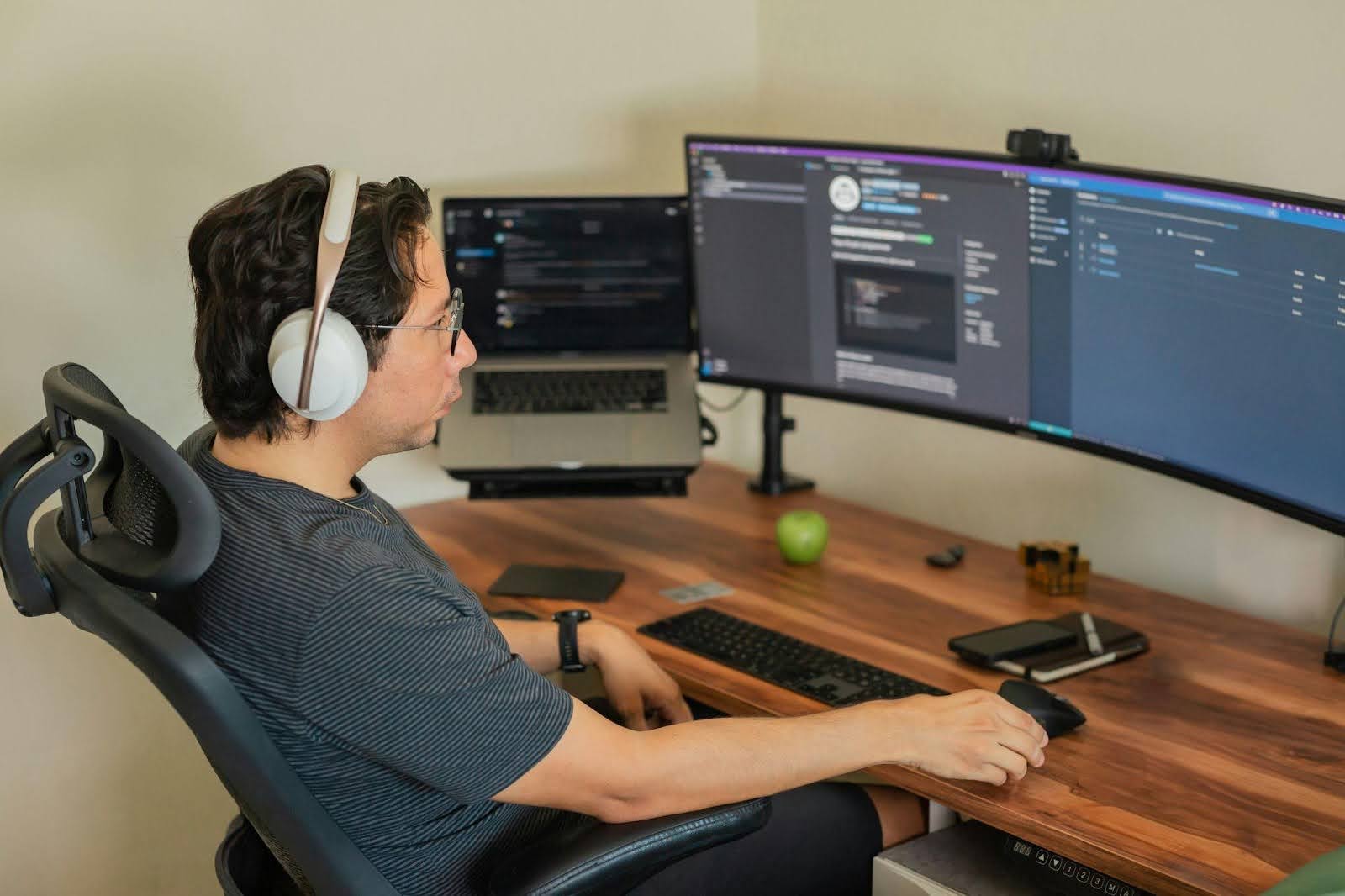 The average digital gamer may not see themselves as a strategist, but many are adopting behaviors once reserved for professionals:
- Tracking their decisions and outcomes
- Testing different playstyles using data logs
- Timing actions based on probability models
- Learning from high-level streams and expert breakdowns
- Seeking tools that convert behavior into measurable metrics
These habits reflect a broader cultural shift. In a world driven by information and efficiency, people naturally apply analytical thinking to everything, from budgeting to meal planning to gaming. The line between entertainment and self-optimization is blurring.
How Data Is Shaping the Future of Digital Gaming
The next few years will likely amplify this trend. As platforms become more sophisticated, we can expect:
Hyper-personalized game experiences
Data will allow games to mold themselves to each user’s skill level, preferences, and style.
Deeper integrations with AI coaching
Players may receive tailored strategies or predictive insights during gameplay.
Fair-play algorithms that reduce exploitation
Data transparency could improve trust by validating fairness in digital environments.
Cross-platform analytics dashboards
Imagine tracking your performance across different games and devices in a single unified interface.
Whether you’re a casual player or a dedicated competitor, data will continue pushing gaming toward a more strategic, customizable, and immersive direction.
The rise of data-driven gaming marks a cultural shift in how people engage with digital entertainment. The modern player doesn’t rely solely on luck; they rely on insight, pattern recognition, and strategic decision-making. As digital platforms grow more advanced and more interactive, the boundary between chance and skill continues to blur. The result is a new era of gaming, one where every click, choice, and outcome becomes part of a bigger, smarter, and more intentional experience.