
Embracing the outdoors is not just a pastime; it is a vital component for achieving overall well-being. Whether you are seeking
relaxation after a busy day or an energy boost to start your morning, nature provides powerful mental and physical benefits. Resources like The Outside Society can help you find inspiration and tips for making the most of time spent outside, bringing you closer to nature’s rejuvenating powers.
Scientific evidence supports that frequent exposure to green spaces is associated with reduced stress, better mood, and stronger physical health. Outdoor activities introduce variety to your routine, allowing your mind and body to thrive in a natural setting. Even small everyday changes, like choosing a walk in your local park, can translate into meaningful improvements. As you make these changes, you may also discover a renewed sense of connection not only with nature but also with your own resilience and creativity.
Stress Reduction
The stresses and pressure of modern life can feel relentless, but stepping outdoors remains a time-tested remedy. Immersion in natural environments helps lower cortisol levels, providing genuine relief from daily tension. Research shows that even brief visits to green or blue spaces, such as parks or lakes, can steady your mood and help you feel more grounded. The soothing effects of being surrounded by nature promote calmness and have a measurable impact on reducing anxiety and stress, according to Harvard Health.
Improved Mood
Outdoor activities are natural mood elevators. Engaging in fun pursuits like hiking, kayaking, or cycling triggers the release of endorphins, hormones that promote feelings of joy and relaxation. Exposure to sunlight itself is linked to increased levels of serotonin, another mood-stabilizing chemical. Nature’s calming presence, combined with physical exertion, offers a double effect that can help alleviate symptoms of mild depression and anxiety, according to the American Psychological Association.
Enhanced Cognitive Function
Participating in outdoor recreation is more than just healthy for your body; it benefits your mind as well. Studies suggest that spending time in nature supports sharper cognitive function, better focus, and improved memory. Attention Restoration Theory, developed by psychological researchers, highlights that natural environments give our brains a break from constant demands, allowing mental fatigue to dissipate. This mental reset enhances creativity and problem-solving skills, making outdoor time especially valuable for anyone seeking clarity and innovation.
Physical Health Benefits
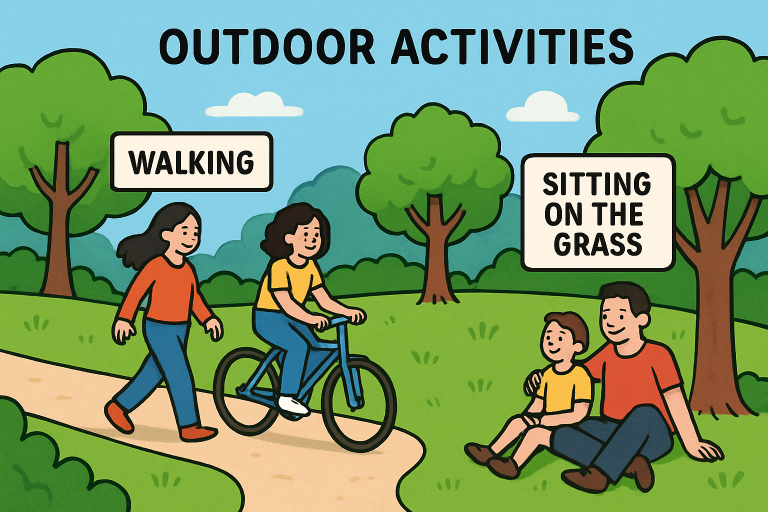
Pursuing outdoor activities helps strengthen your body in practical and enjoyable ways. Unlike gym routines, nature-based activities involve uneven terrain or obstacles that engage your muscles differently each time. Whether you are jogging on a wooded path or playing outdoor sports, these activities contribute to better cardiovascular health, increased flexibility, and stronger muscles. The variety ensures a more dynamic workout, supporting long-term physical wellness and making regular exercise feel less like a chore and more like an adventure.
 Better Sleep Quality
The importance of sleep in maintaining health cannot be overstated, and outdoor exposure offers a gentle way to improve your nightly rest. Daylight helps reset your circadian rhythm (your body’s internal clock), especially when you spend time outdoors earlier in the day. Coupled with the natural tiredness that follows physical exertion, these habits support deeper, more restful sleep. Better sleep, in turn, has cascading benefits for mood, metabolism, and mental clarity.
Boosted Immune System
Nature provides more than just a beautiful backdrop; it also strengthens your immune system. Practicing activities such as forest bathing (known as Shinrin-yoku) has been linked to heightened activity of natural killer cells, a critical part of the immune defense system. Regular outdoor exercise also bolsters your ability to resist infections by reducing inflammation and enhancing the circulation of immune cells throughout your body.
Social Connection
Outdoor experiences bring people together, fostering relationships that support mental and emotional well-being. Organized activities such as community gardening, local running clubs, or weekend group hikes create opportunities for genuine social connection. When you share these experiences with others, you are more likely to feel supported, valued, and connected to your community. Social bonds developed outdoors can be especially meaningful, helping to combat loneliness and nurture a sense of belonging.
Practical Tips for Incorporating Outdoor Activities
- Start Small: If outdoor activity is new to you, begin with simple, achievable steps, like taking brief daily walks in your neighborhood or a local park.
- Join Groups: Look into local clubs or group activities such as guided hikes, cycling groups, or nature walks. Joining others can increase motivation and make it easier to stay consistent.
- Set Goals: Identify simple goals, such as the number of steps per day or the amount of time spent outside each week. Tracking progress can help build healthy habits.
- Be Mindful: Practice mindfulness during your time outside. Focus on sensory experiences: feel the breeze, listen to birdsong, and take in the scenery to enhance the mental health benefits.
Final Thoughts
Embracing outdoor activities can have a transformative effect on your lifestyle, benefiting your mind and body in meaningful ways. By incorporating nature into your daily or weekly routine and turning to resources and communities dedicated to outdoor wellbeing, you position yourself for better health, improved mood, and a more fulfilling life. Start making small changes, and you will soon feel the positive impact on your overall sense of well-being.