
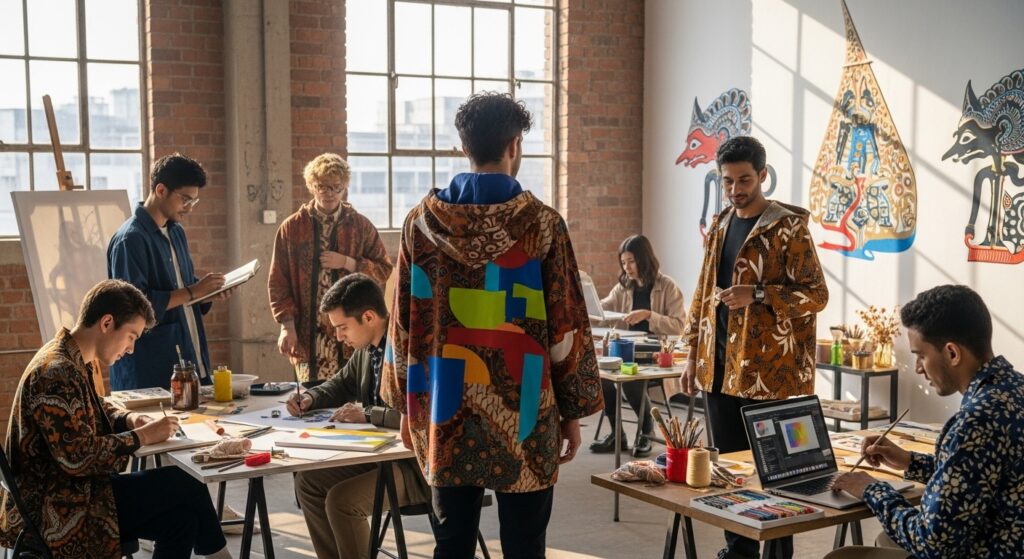
In recent years, a growing number of designers, creators, and digital artists have begun using the term Bardoek to describe a modern artistic style built around bold forms, layered textures, and expressive color combinations. While not tied to a specific historical movement, Bardoek has gained attention across visual arts, interior aesthetics, digital design, and lifestyle branding. Its appeal lies in its ability to merge creativity with emotion, offering a flexible style that encourages individuality and experimentation.
This article explores the concept of Bardoek, its distinctive characteristics, and why it has become a popular framework for contemporary artistic expression.
What Is Bardoek?
Bardoek can be understood as a creative design concept defined by its:
-
Strong, expressive visual patterns
-
Fusion of traditional and modern artistic influences
-
Emphasis on individuality and emotional storytelling
-
Use of mixed textures, experimental forms, and layered compositions
Rather than being limited to one medium, Bardoek appears in:
-
Digital art
-
Graphic design
-
Fashion concepts
-
Interior decoration
-
Branding and product identity
-
Modern craft aesthetics
Its core philosophy revolves around freedom, contrast, and expressive design choices.
Key Characteristics of the Bardoek Style
Although interpretations vary, most Bardoek-inspired works share several defining traits:
1. Bold Color Palettes
Bardoek often embraces dramatic color combinations—deep earth tones blended with sharp, modern accents.
2. Layered Textures
Textures play a major role. Designers may combine smooth and rough surfaces, digital grain overlays, or mixed materials.
3. Organic Meets Geometric
A signature feature is the contrast between natural shapes and structured lines, creating visual tension and balance.
4. Emphasis on Emotion
More than visual beauty, Bardoek aims to express mood, memory, or personal narrative.
5. Artistic Freedom
The style rejects strict rules, encouraging creators to experiment with patterns, materials, and layout structures.
Origins of the Bardoek Concept
While Bardoek is not a historical artistic movement, its rise parallels several modern trends:
-
Increased interest in handcrafted digital art
-
Blending of old-world craftsmanship with contemporary design
-
The popularity of eclectic interior styles
-
Social-media-driven visual storytelling
Designers began using the term to categorize works that did not fit neatly into minimalism, maximalism, or modernism, but instead existed somewhere between them.
Bardoek in Digital Art and Graphic Design
Digital designers often use Bar-doek-inspired elements to create visuals that feel:
-
Raw yet refined
-
Detailed yet balanced
-
Artistic yet modern
Common applications include:
-
Website graphics
-
Album covers
-
Digital collages
-
NFT artwork
-
Brand illustrations
The layered style allows artists to convey depth and emotion in visually striking ways.
Bardoek in Interior Design
In interior settings, Bar-doek brings warmth, personality, and rich texture into a room. It typically appears through:
• Natural materials
Wood, stone, matte ceramics, and handmade objects.
• Contrasting patterns
Rugs, cushions, and wall art with bold motifs.
• Statement décor pieces
Unique forms, sculptural objects, or textured lighting.
• Mixed tonal layers
Warm neutrals combined with muted blues, deep greens, and rustic accents.
Bardoek interiors aim for atmosphere rather than perfection.
Bardoek as a Cultural Expression
Many creators use Bardoek not just visually, but as a philosophy of expression, representing:
-
Authenticity
-
Craftsmanship
-
Emotional depth
-
Breaking from strict rules
-
Blending traditional influences with modern creativity
It is often seen as a rejection of overly polished commercial aesthetics.
Why Bardoek Is Gaining Popularity
Several modern lifestyle and artistic trends support the rise of Bar-doek:
1. Desire for Authenticity
Consumers increasingly value handmade, imperfect, and meaningful designs.
2. Social Media Aesthetics
Platforms like Instagram and Pinterest reward unique, expressive visuals.
3. Digital Craft Revival
Artists seek to bring texture and humanity into digital environments.
4. Flexible Creative Boundaries
Bar-doek offers structure without restriction, making it ideal for experimentation.
How Creators Use the Bardoek Approach
Artists adopting Bar-doek often follow these principles:
-
Mixing materials or styles
-
Focusing on mood and story
-
Using imperfect shapes
-
Creating visual depth through layers
-
Prioritizing texture
This allows beginners and professionals alike to contribute their individuality to the style.
The Future of Bardoek
As digital culture evolves, Bar-doek may expand into areas such as:
-
Augmented reality art
-
Product design
-
Sustainable fashion
-
Immersive exhibitions
-
Experimental architecture
Because Bar-doek is defined by flexibility and creativity, it is likely to continue evolving alongside artistic innovation.
Conclusion
Bar-doek represents a new wave of modern creativity—rich in texture, expressive in form, and shaped by emotional storytelling. Though not tied to a formal movement or industry, it reflects contemporary values: authenticity, individuality, and the blending of diverse artistic influences. As more creators explore experimental design, the Bardoek concept will continue to grow, inspiring fresh approaches across art, interiors, digital media, and visual culture.