Technology drives communication. Every meeting, conference, concert, and training session relies on the tools behind the scenes. At the center of it all sits av equipment. These are the systems that make sure your voice is heard, your visuals are sharp, and your message gets delivered with impact. Without AV, communication feels flat. With it, the experience becomes clear, engaging, and professional.
What AV Equipment Really Means
AV stands for audio-visual. AV equipment covers everything used to manage sound and visuals.
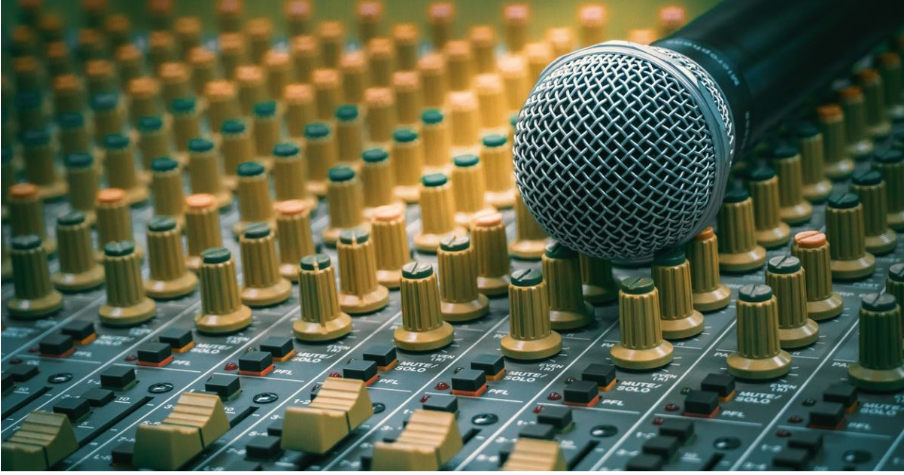
- Audio includes microphones, speakers, mixers, and recording systems.
- Visual includes cameras, projectors, LED walls, and lighting.
It’s not just gear. It’s an ecosystem. Each piece connects to another to create seamless communication.
The Two Sides: Audio and Visual
Let’s break it down.
Audio equipment makes sure voices, music, and effects come through with clarity. That means microphones that don’t crackle. Speakers that reach the back of the room. Mixers that balance multiple sources without distortion.
Visual equipment shapes the look. Cameras capture. Screens display. Lighting focuses attention. Projectors make presentations visible to everyone.
When audio and visual connect, you get a message that’s impossible to ignore.
Why AV Equipment Is Essential
Think about a large meeting without microphones. Or a training without slides. Or a product launch without lighting. It doesn’t work.
Good AV equipment isn’t a luxury. It’s a necessity.
Here’s why:
- It makes the content clear. No struggling to hear or squinting at slides.
- It builds trust. Professional delivery signals professionalism.
- It boosts engagement. Audiences stay focused when sound and visuals are sharp.
- It saves time. No delays from tech breakdowns.
Every industry relies on these tools, even if people don’t notice it.
Everyday Situations Where AV Equipment Matters
You see AV in action more than you realize.
- Video calls that use cameras, mics, and screens.
- Training sessions with projectors and audio systems.
- Digital signage displaying ads and directions in public spaces.
- Concerts with booming sound and immersive visuals.
- Product demos with synced slides, audio, and video.
It’s everywhere. When it’s done right, it feels invisible. When it fails, it ruins the experience.
The Core Components of AV Equipment
Here’s a closer look at the gear that makes it all possible.
- Microphones – Handheld, lapel, and wireless. Each suits a different situation.
- Speakers – From small conference-room units to full-scale PA systems.
- Mixers – Control audio sources. Balance levels. Remove unwanted noise.
- Projectors – Display slides, videos, and visuals.
- LED Walls – Crisp, bright, and impossible to miss.
- Cameras – Capture events for live streaming or recording.
- Lighting Systems – Direct attention. Set the mood. Highlight speakers.
- Control Consoles – Central hubs for managing multiple inputs at once.
Each tool is vital. Together, they create seamless experiences.
The Difference Between Consumer and Professional AV
Not all AV equipment is equal.
- Consumer-grade gear works for casual use. Like home speakers or basic webcams.
- Professional-grade gear is designed for scale, reliability, and clarity. It’s built to handle demanding situations like conferences or live productions.
This difference matters. Consumer tools may cut costs short-term, but professional setups prevent breakdowns, bad impressions, and lost time.
AV in the Corporate World
Businesses depend on AV more than ever.
- Meetings need clear sound and high-definition screens.
- Town halls demand microphones, cameras, and projection systems.
- Training sessions rely on recorded video and interactive displays.
- Conferences use full-scale systems with lighting, stage setups, and live streams.
Companies that invest in strong AV see smoother communication and stronger employee engagement.
AV in Education
Schools and universities rely heavily on AV.
- Projectors and smart boards make lessons more interactive.
- Streaming tools support remote learning.
- Recorded sessions let students review material later.
Clear AV keeps attention. Poor AV loses students fast.
AV in Entertainment
Entertainment doesn’t exist without AV.
- Concerts depend on massive speaker systems and LED walls.
- Theaters need sound rigs, projectors, and lighting systems.
- Sports events use giant scoreboards, microphones, and replay systems.
The audience rarely notices the gear. They just feel the experience. That’s the sign of great AV.
Challenges Without Proper AV
When AV equipment is missing or there’s low quality, problems show up immediately.
- Feedback loops from microphones.
- Videos that freeze mid-stream.
- Unclear sound that makes speakers impossible to understand.
- Dim visuals that can’t be read by the back row.
These issues draw attention. They make audiences frustrated. And they damage credibility.
How AV Equipment Shapes Branding
Every presentation is a reflection of the brand. Strong AV builds a reputation.
- Crisp visuals say you value detail.
- Clear sound says you care about clarity.
- Smooth transitions say you planned ahead.
On the other hand, bad AV says the opposite. It signals disorganization, lack of preparation, and lack of professionalism.
The Future of AV Equipment
Technology is moving fast. AV is no exception.
- 8K video will push visuals further.
- AI-powered audio will adjust sound automatically.
- AR and VR integration will transform training and collaboration.
- Cloud-based control will let teams manage events from anywhere.
Tomorrow’s AV will be more interactive, more efficient, and more immersive.
Choosing the Right AV Partner
Having the right gear isn’t enough. You need the right team to run it.
Look for partners who:
- Use modern equipment that can scale.
- Provide skilled operators to handle complex systems.
- Offer redundancy to avoid breakdowns.
- Understand multiple industries from corporate to entertainment.
- Deliver both live and recorded solutions for future use.
The best AV teams make their work invisible. The audience never thinks about the gear. They just remember the message.
Final Thoughts
AV equipment is the foundation of modern communication. It’s what makes meetings, training, entertainment, and marketing possible.
- In business, it drives efficiency.
- In education, it boosts engagement.
- In entertainment, it builds unforgettable moments.
- In branding, it reinforces trust.
When done right, AV fades into the background. The focus stays where it should—on the message. That’s the power of av equipment.