Introduction
Many homeowners underestimate the importance of maintaining a healthy crawl space, yet this overlooked area beneath your home is pivotal in supporting your property’s overall safety, comfort, and energy efficiency. Beyond being a hidden void, the crawl space acts as the first line of defense against a range of potential problems—both structural and environmental—that can impact every aspect of indoor living. Foundations are not just about stable ground; they are about creating a safe living space for your family. Regular care for your crawl space offers profound and long-lasting benefits, from warding off foundational damage to improving the air you breathe. If you have any concerns regarding the state of your crawl space, it’s advisable to explore crawlspace remediation as a professional solution for underlying issues. Addressing these concerns early doesn’t just stave off costly repairs—it maximizes property value and preserves peace of mind for the long haul.
Neglecting the crawl space can trigger issues that extend well beyond the basement or ground floor. Problems such as decreased air quality, rising humidity, pest invasions, and mounting energy bills are just the tip of the iceberg for homeowners who dismiss routine maintenance. These problems rarely stay confined to the crawl space; instead, they escalate and permeate every level of the home. Preventative measures and early remediation are essential. They help homeowners circumvent major expenses down the road while providing a healthier, more resilient environment for everyone inside. This makes routine crawl space care one of the wisest investments you can make for your property and your family’s well-being.
Preserving Structural Integrity
Your home’s structural integrity is rooted in its foundation, and the crawl space serves as a direct interface between your house and the ground below. Increasingly, homeowners are discovering that crawl spaces are susceptible to excess moisture, often due to poor drainage, high water tables, or inadequate vapor barriers. This persistent dampness can wreak havoc on foundational elements such as wood beams, joists, and subflooring, leading to rot, warping, and even fungus growth. Over time, this decay accelerates, eventually manifesting as sagging floors, cracked drywall, misaligned doors and windows, and even visible shifts in the home’s exterior brick or siding. Failing to act quickly can result in steep repair costs, and in severe cases, it may threaten the overall habitability of the structure. The key to avoiding is proactive measures—installing moisture barriers, improving grading to encourage water runoff, and scheduling routine inspections at least twice a year. These steps can curtail future issues before they spiral out of control, preserving your most significant investment’s strength, functionality, and market value.
Common Structural Threats in Crawl Spaces
- Wood rot and weakened joists due to prolonged dampness can compromise your entire floor system.
- Corroded metal fasteners and connectors weaken the bonds that hold your home together.
- Soil movement compromises foundational support, which might also cause uneven settling or cracks throughout the property.
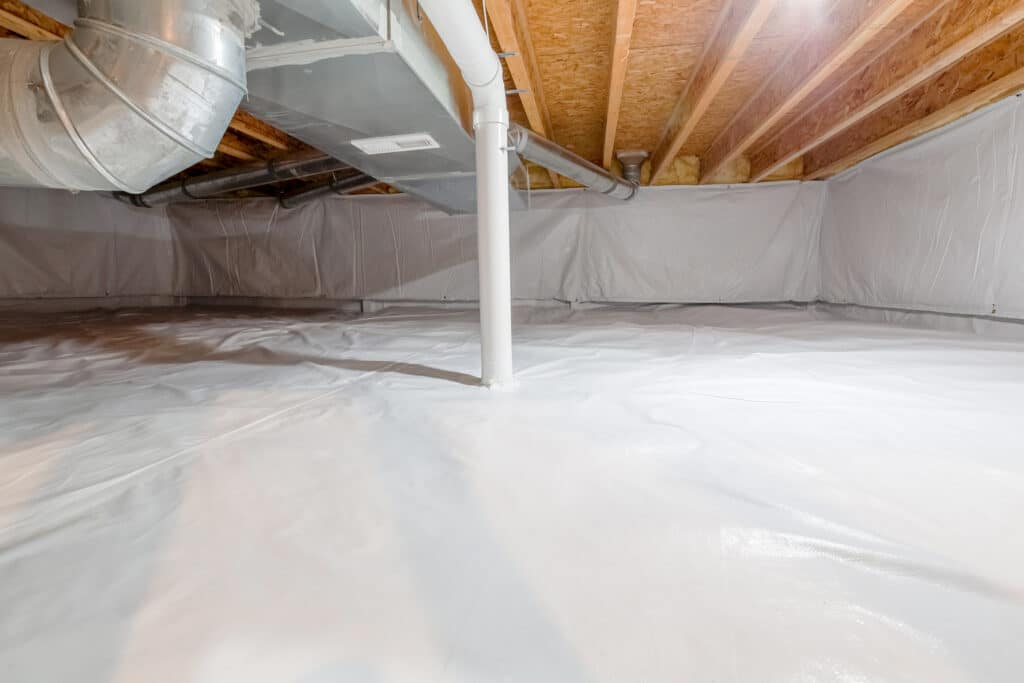
Tackling these issues involves strategic measures such as complete encapsulation to protect your crawl space from excess moisture, installing sump pumps for continuous water management, and trusting licensed experts for thorough waterproofing. While improvements like these may go unnoticed day-to-day, their influence on your home’s durability and overall comfort is significant. Prioritizing crawlspace repair ensures a healthier living environment and safeguards your property against long-term structural damage.
Enhancing Indoor Air Quality
The condition of your crawl space has a surprisingly direct influence on the air quality throughout your home, more than many homeowners realize. Approximately 40-60% of the air you breathe indoors eventually originates from the crawl space, thanks to what’s known as the “stack effect.” As outlined by the EPA’s guidance on mold, Damp crawl spaces are havens for mold and mildew growth. These microorganisms, alongside dust, pollen, and volatile organic compounds (VOCs), often migrate upwards into your living quarters, especially if you have forced-air heating or cooling systems. As a result, occupants may be unknowingly exposed to various airborne irritants, mold spores, and even bacterial agents, which can have a cumulative effect on respiratory health over time.
Benefits of Improving Indoor Air Quality
- Reduction in allergy and asthma symptoms among vulnerable home occupants, especially children and seniors.
- Prevention of more severe respiratory illnesses, headaches, chronic sinus problems, and other health complications linked to poor air quality.
- Fewer musty odors and a noticeable improvement in overall indoor freshness and comfort.
By taking steps such as sealing your crawl space, adding insulation, installing dehumidifiers, and ensuring proper drainage, you actively reduce the migration of mold spores and other pollutants. A solid regimen of crawl space remediation is one of the most effective ways to support healthy indoor air and ensure that every breath your family takes is genuinely safe and clean.
Boosting Energy Efficiency
A neglected crawl space disrupts more than just the air you breathe—it also impacts your home’s thermal performance. Inadequate insulation or exposure to drafts and humidity means cold air, moisture, and heat can easily flow between the ground and your home’s conditioned spaces. This creates uncomfortable living conditions—drafty floors in winter, muggy interiors in summer—and prompts your HVAC system to work overtime to maintain your desired indoor temperature. The result is energy waste, more frequent equipment breakdowns, and noticeably higher monthly utility bills. Properly insulated and encapsulated crawl spaces serve as a crucial buffer, maintaining a consistent indoor climate by sealing off one of the primary sources of unwanted heat or cold transfer. This protects comfort and makes your bills more predictable throughout the year, regardless of season or weather extremes.
How Crawl Space Health Impacts Energy Use
- Minimizes heat loss through the floor during colder months, promoting warmth with less reliance on your furnace.
- Reduces humidity infiltration, decreasing the humidity load on your air conditioner and lowering overall energy use in the summer.
- Lowers the risk of frozen or burst pipes, particularly in winter, helping avoid emergency plumbing expenses and disruptions.
By addressing crawl space issues through quality insulation, weatherproofing, and consistent maintenance, you’re committing to a more sustainable, comfortable, and economical household. This move not only saves money but also reduces your environmental footprint.
Preventing Pest Infestations
One of the most significant vulnerabilities of a damp, poorly maintained crawl space is its attractiveness to pests. The combination of darkness, humidity, and shelter makes crawl spaces an ideal habitat for various vermin, including rodents, termites, spiders, ants, and other insects. These pests are not just a nuisance—they threaten both the structure of your home and your health. Termites can rapidly undermine wooden support elements, while rodents may chew through insulation, wiring, or pipes, and leave behind droppings that taint the air and spread disease. Insects can introduce pathogens, cause allergic reactions, and infest insulation and stored household items. Regular crawl space inspections, prompt repairs, and the meticulous sealing of all entry points (no matter how small) are essential defenses to keep these invaders outside where they belong.
Pest Risks and Their Impacts
- Termite activity can silently destroy wooden structures, insulation, and even flooring, resulting in thousands of dollars in damage before you even realize the problem exists.
- Rodent droppings, nests, and remains seriously compromise air quality and can trigger asthma, allergies, or more serious respiratory issues in home occupants.
- Various insects can introduce bacteria and allergens and create unsightly infestations that are difficult to fully eradicate without taking preventive measures.
By maintaining a dry, sanitary, and well-sealed crawl space, you dramatically reduce the risk and impact of pest infestations. This protects not just your home’s structural value but also your family’s everyday comfort and long-term health.
Essential Crawl Space Maintenance Tips
- Regular Inspections: Conduct detailed checks at least twice yearly, focusing on moisture buildup, mold presence, and any evidence of pest activity.
- Moisture Control: Invest in quality vapor barriers, use targeted dehumidifiers, and confirm your property’s drainage system routes water away from all foundation walls.
- Ventilation: Encourage healthy airflow to diminish humidity; while traditional vents may work in some climates, encapsulation with mechanical ventilation is preferable in regions prone to persistent moisture.
- Sealing Entry Points: Regularly inspect and seal all openings, cracks, and gaps in the foundation, crawl space vents, and access doors—this is crucial for denying pests a way inside.
- Professional Help: Don’t hesitate to contact crawl space experts to conduct thorough assessments and tackle persistent or complex issues, ensuring a healthy foundation for your home.
Commitment to these maintenance strategies, along with periodic professional evaluations, helps ensure you catch minor crawl space concerns before they become overwhelming. Staying proactive protects your home’s structure and preserves your investment, comfort, and peace of mind.
To sum up, incorporating comprehensive crawl space remediation means your crawl space works for—not against—your home’s safety, comfort, and efficiency. By prioritizing regular crawl space care, you make one of the most effective choices possible for ensuring a healthier, safer, and more energy-efficient household for years to come.