
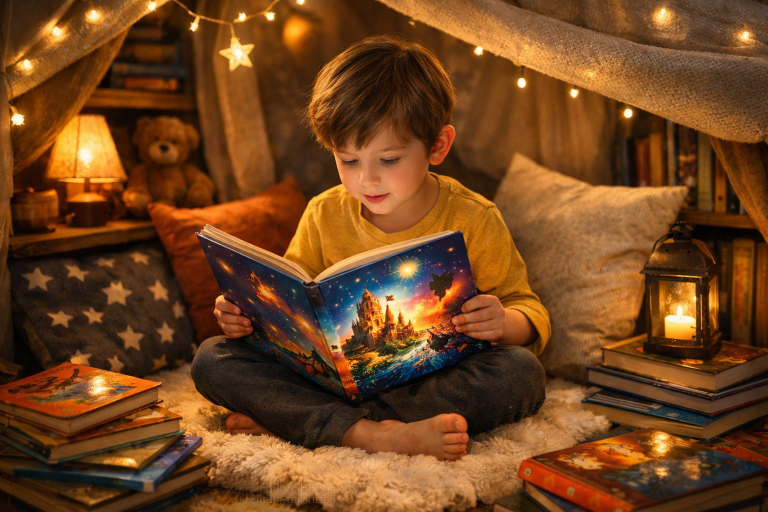
Capturing a child’s imagination with a well-crafted short story is a unique and delightful challenge. Whether your goal is to entertain, inspire, or educate, it is essential to understand young readers’ needs. If you are looking for guidance, this comprehensive guide is filled with practical strategies for writing action packed short stories that resonate with kids and parents alike. Great children’s stories not only entertain but also leave a lasting impression, encouraging curiosity, empathy, and learning.
The magic of children’s literature lies in its potential to spark joy and impart wisdom through relatable characters, exciting plots, and memorable messages. By integrating creative elements, writers can craft compelling stories that enrich and empower young minds. The process also hinges on understanding a child’s world and communicating ideas in meaningful, age-appropriate ways.
Authors must pay close attention to content complexity and emotional resonance so that every story reflects the developmental stage of its intended audience. Simple language, lively illustration, and thematic lessons should work together to draw children into the narrative, guiding them gently through the adventure at hand. It’s this blend of entertainment and instruction that makes children’s fiction both enjoyable and impactful.
Success in writing for young readers depends on careful editing, thoughtful feedback, and finding the right channels for publication. With a blend of imagination and craft, any writer can develop the skills needed to create wonderful stories for the next generation.
Understanding Your Audience
Every powerful children’s story begins by recognizing who you’re writing for. Cognitive, emotional, and social changes occur rapidly in childhood, so it’s important to tailor each tale to an age group’s maturity and interests. Stories for pre-schoolers often centre on familiar routines, friendship, and discovery, using repetition and vivid imagery to reinforce language skills. As children grow, they can appreciate nuanced themes, humour, and subtle moral lessons. Being mindful of age-appropriate vocabulary and topics helps ensure that your story is relatable and enjoyable for your readers.
It’s also valuable to read widely within the genre and see how established authors structure their works for various age levels.
Developing Relatable Characters
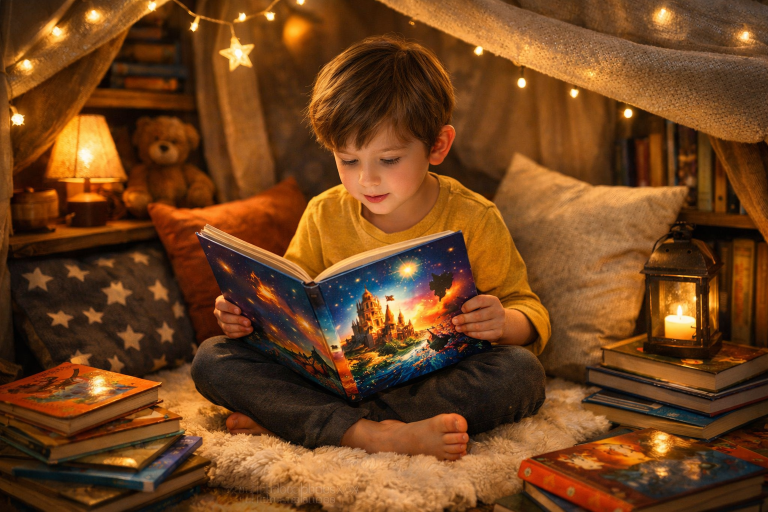
Creating characters that mirror a child’s own experiences or dreams is one of the fastest ways to build a connection. Characters should face challenges, express emotions, and make choices similar to what children might encounter in their real lives. A character’s journey, whether it involves making new friends, exploring an unfamiliar place, or overcoming a fear, provides children with a safe space to process their feelings. Thoughtful characterization encourages empathy, boosts self-esteem, and makes stories memorable.
Crafting Engaging Plots
At the heart of every great story is a strong plot. Catch readers’ attention with adventures, mysteries, or moments of humor. Begin with a clear setup, present a central conflict, and guide readers to a satisfying ending. Unpredictable twists or interactive elements, such as questions or prompts, keep children turning the pages. Balance excitement with moments of reflection so young readers have space to absorb what they have read. The best stories weave imagination and logic together in unexpected ways, as seen in many recommended books by Scholastic.
Incorporating Educational Elements
Children’s stories are perfect for pairing fun narratives with foundational learning. Whether you introduce early literacy concepts, science facts, or social-emotional skills, integrate them organically into the adventure. For example, the PBS KIDS initiative “SUPER WHY’S COMIC BOOK ADVENTURES” uses action and story structure to support early reading skills, demonstrating how engaging storytelling can boost comprehension and retention. This approach exemplifies how stories can be both entertaining and instructive.
The Role of Illustrations
Pictures play an essential role in children’s stories. Carefully crafted illustrations help break up text, clarify complex ideas, and keep young readers engaged. Visual storytelling can support children’s understanding, especially those who are still developing reading fluency. Whether you are collaborating with a professional artist or creating your own images, ensure consistency in style and mood. The colours, styles, and characters depicted can influence how kids interpret and connect with your story. For additional inspiration and guidance, the Encyclopedia Britannica’s overview of illustration techniques is an excellent resource.
Editing and Feedback
No first draft is perfect. Take time to revise and polish your manuscript by reading it aloud, checking for pacing or language issues, and clarifying your message. Feedback is invaluable. Share your work with trusted colleagues, educators, or even children to learn how your story resonates. Constructive criticism can spark new ideas and help ensure that your final version is both accessible and impactful. Never underestimate the value of reading your story to a child, as their reactions will tell you a lot about what is working—or not—in your narrative.
Publishing Options
After refining your story, it is time to think about publication. Traditional publishing offers the benefit of wide distribution and professional editing, while self-publishing gives you greater creative control and faster timelines. Contests like the PBS KIDS Writers Contest are wonderful opportunities for new writers to gain visibility and recognition. Evaluating each route helps you select the best path for your story and goals.
Conclusion
Writing short stories for children is a journey that combines imagination with an understanding of what makes kids tick. By focusing on age-appropriateness, relatability, plot quality, and educational value, writers can create stories that entertain and enrich young readers. Thorough editing and exploring flexible publishing methods can further increase your work’s impact. With care and creativity, your storytelling will inspire children to dream big and love reading for years to come.