Metalwork remains a critical foundation in architecture and interior design, providing not only strength and durability but also inspiring creativity in form and function. The landscape of metalworking has expanded dramatically thanks to new technologies, materials, and fabrication methods. These changes have influenced how professionals approach everything from residential projects to commercial landmarks. The art and practicality of metal design extend to specific applications, including driveway gates Kansas City MO, which exemplify both functionality and visual appeal. Modern advancements have generated an array of opportunities for bespoke solutions in contemporary projects.
Architects and designers today can blend tradition with innovation, using refined processes to achieve outcomes once considered too complex or unattainable. Versatile fabrication methods, particularly with metals, have become key for producing customized elements that suit both aesthetic aims and unique structural requirements. As the discipline continues to evolve, these techniques are influencing not only how individual projects look but also how they function and interact within larger environments. Beyond visual interest, adopting progressive metalwork enhances sustainability, efficiency, and adaptability across the design industry.
Advancements in Metal Fabrication
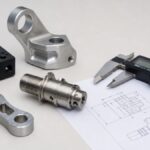
Recent progress in metal fabrication has enabled the creation of more detailed and accurate components than ever before. Computer-aided design (CAD) and computer numerical control (CNC) machinery have replaced many manual processes, enabling fabricators to achieve tight tolerances and intricate geometries. This level of sophistication is increasingly sought after as architectural and interior design projects demand unique, highly customized solutions. The result is a more seamless blend of practicality and artistry, achievable on both large and small scales. Detailed explanations can be found in Architectural Digest, which provides insights into state-of-the-art practices in the field.
Custom Aluminum Extrusions
Aluminum stands out as a flexible and lightweight material in the world of design. Its popularity has surged with improved capabilities in custom extrusions, such as those offered by Monarch Metal Inc. Through custom aluminum extrusions, architects and designers can specify profiles that precisely match their vision. This flexibility allows for both subtle detailing and bold structural statements while maintaining corrosion resistance and durability. These advancements allow professionals to convert sketches and digital renderings directly into real-world components, minimizing waste and maximizing design freedom.
Liquid Metal Applications
Liquid metal coatings bring an impressive new dimension to surface finishes in design. These coatings can be applied to almost any substrate, transforming simple materials, such as wood, MDF, or plastic, into surfaces that closely resemble solid metal. The advantage is twofold: substantial savings on material costs and reductions in overall weight. Liquid metal finishes also expand the designer’s range of possible textures and hues, allowing for effects like brushed, polished, or patinated metal without the challenges of working with heavy or costly metals directly. This enables a more responsive, tailored approach to diverse project requirements, as outlined in resources such as ArchDaily.
Three-Dimensional Metal Surfacing
The introduction of three-dimensional metal surfacing has enhanced the tactile and visual qualities of both interior and exterior spaces. Brands such as Móz Designs have advanced this trend, particularly through their Engravings Collection, which adds a variety of geometric patterns and textures for wall cladding and column wraps. These solutions move beyond traditional flat panels, creating surfaces that play with light and shadow to offer greater depth and sophistication. Whether used as bold statement pieces or subtle accents, 3D metal surfacing reshapes perceptions of volume, light, and spatial boundaries, allowing designers to craft more immersive environments.
Integrated Metal and Wood Fabrication
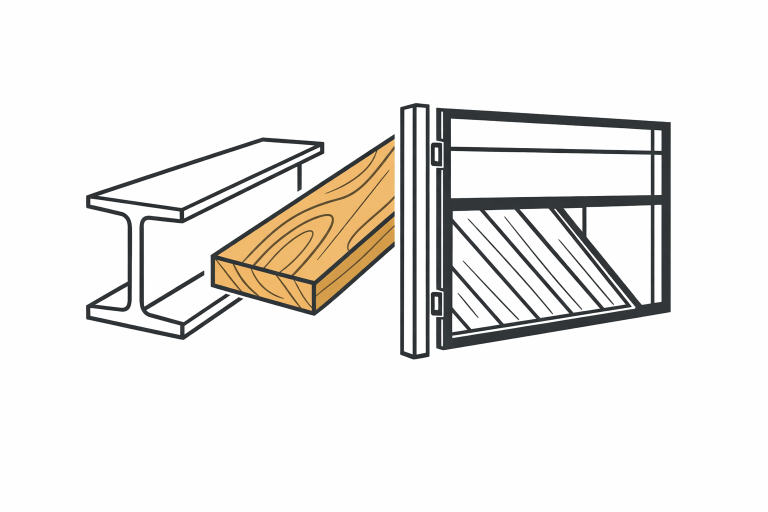
Integrated fabrication combining metal and wood techniques has redefined the possibilities for unified, multi-material design. Companies expanding their services to include both crafts are meeting the growing need for holistic solutions that marry the industrial strength of metal with the natural warmth and texture of wood. This integration streamlines project management by concentrating expertise and fabrication under one roof, delivering better coherence in fit, finish, and function. Such multidisciplinary approaches also simplify logistics, shorten lead times, and improve consistency in the finished product, especially in specialized commercial settings.
 Additive Manufacturing in Metalwork
Additive manufacturing, more commonly known as 3D printing, continues to push the boundaries of what can be achieved in metalwork. Industrial-grade systems like the MetalFab 420K from Additive Industries use powerful lasers to fuse metal powders into highly complex and precise parts. This method enables the construction of previously unobtainable geometries, whether for decorative use or for high-performance engineering components. Additive manufacturing is particularly valuable for small production runs or rapid prototyping, as it drastically reduces waste, minimizes tooling, and accelerates project timelines.
Conclusion
The field of metalwork in design is undergoing continuous transformation, fueled by technological innovations and creative experimentation. From lightweight custom extrusions to advanced liquid metal coatings and the precision of additive manufacturing, the tools and techniques available to architects and designers have never been more varied or adaptable. Embracing these developments not only widens the scope for creative vision but also contributes to greater efficiency, sustainability, and long-term value in every project.