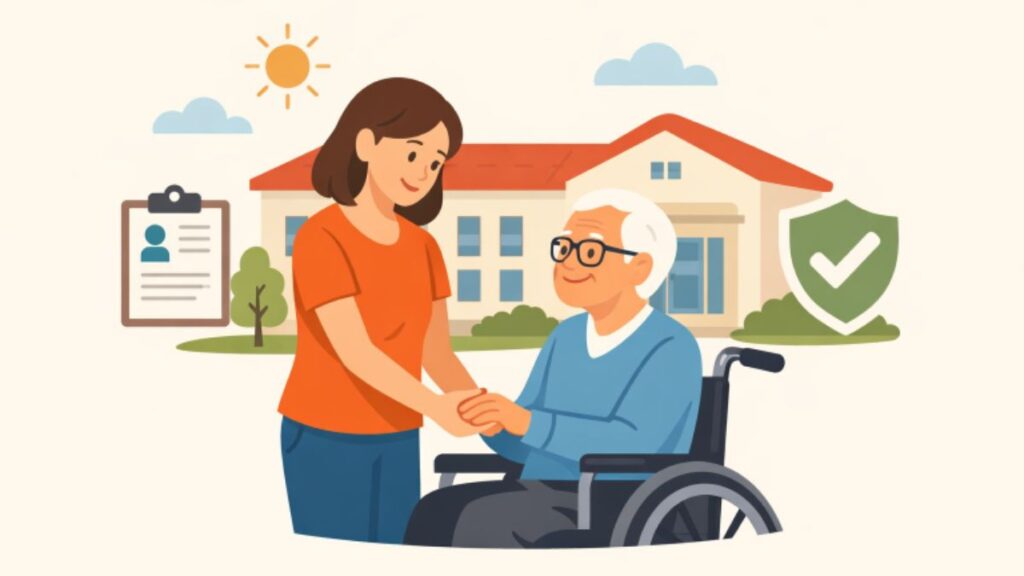
Ensuring the safety and dignity of loved ones in nursing facilities is a top priority for many Roswell families. The process of addressing nursing home abuse can feel overwhelming, but it’s vital to take action when neglect or mistreatment is suspected. Recognizing the warning signs and knowing how to proceed legally are crucial steps in protecting vulnerable elders. If you are concerned about a resident, consulting a trusted Roswell nursing home abuse attorney can make a significant difference in the journey toward justice and safety.
Georgia law provides recourse for families who believe their loved one has suffered in a facility’s care. Lawsuits can hold nursing homes accountable and help to improve standards statewide by deterring future abuse. Roswell residents have particular resources and steps available to guide them through this difficult process, and advocacy can not only bring closure but also protect others in the community.
Identifying Abuse in Nursing Homes
Nursing home abuse can take many forms, from physical mistreatment to subtle emotional or financial exploitation. Families should be alert to signs such as unexplained injuries, sudden behavioral changes, dehydration, bedsores, or poor hygiene. Abuse may occur due to inadequate staffing, untrained employees, or insufficient oversight. Recognizing these red flags early is essential to preventing further harm and building a solid case against a negligent facility.
Understanding Your Legal Rights in Georgia
Residents of Georgia nursing homes are protected by both state and federal laws that strictly prohibit abuse and neglect. The Georgia Department of Community Health enforces regulations designed to uphold resident safety and penalize facilities that fail in their duty of care. In some cases, federal oversight, such as through the Centers for Medicare & Medicaid Services, also applies. If a facility is found in violation, state agencies can levy fines or even revoke operating licenses. It is essential for families to understand these rights and to work with professionals who can help navigate the legal landscape.
How to Document and Report Abuse
Documentation is a crucial part of holding nursing homes accountable. Families should carefully record all incidents and gather supporting evidence, including photographs, medical records, and statements from caregivers or witnesses. Reports of suspected abuse can be filed with agencies such as Adult Protective Services or the Long-Term Care Ombudsman Program in Georgia. Filing these reports not only initiates investigations but can also be valuable in building a successful lawsuit later on.
Steps to Filing a Lawsuit in Roswell
The process for filing a lawsuit begins with consulting a qualified attorney who understands both Georgia elder law and local Roswell court procedures. After initial consultations and a review of the evidence, the attorney will help prepare and file the complaint in the appropriate court. The nursing home and any involved staff will be served with notice, and both sides will exchange evidence during discovery. Often, nursing home abuse cases in Roswell are resolved through settlement negotiations, but some proceed to trial for a judicial verdict. Throughout, experienced representation is crucial to ensure your loved one’s rights are protected.
What to Expect from the Legal Process
Lawsuits involving nursing home abuse can take months or even years, depending on the complexity of the evidence and the willingness of the facility to settle. Plaintiffs may seek compensation for medical costs, pain and suffering, emotional distress, and punitive damages if egregious neglect or malicious intent is proven. Updates to case law and federal regulations, such as increased minimum staffing requirements finalized by CMS in 2024, can influence care outcomes and standards. Understanding the timeline and potential outcomes helps families stay prepared and informed during this difficult time.
Resources for Support and Advocacy
Numerous state and national organizations offer support to families facing nursing home abuse in Roswell. The Georgia Long-Term Care Ombudsman Program provides advocacy and can intervene when problems arise. Family and community engagement is important, as regular visits and active communication with facility staff often lead to better care standards and increased oversight.
Conclusion
Roswell families navigating the challenge of nursing home abuse lawsuits in Georgia have important resources and legal rights to help ensure justice is served. Recognizing abuse early, documenting evidence, and following clear steps toward legal recourse are all fundamental to holding facilities accountable. By working with a skilled attorney and leveraging community and regulatory support, families can protect their loved ones and help improve the standards of care for the entire community.