
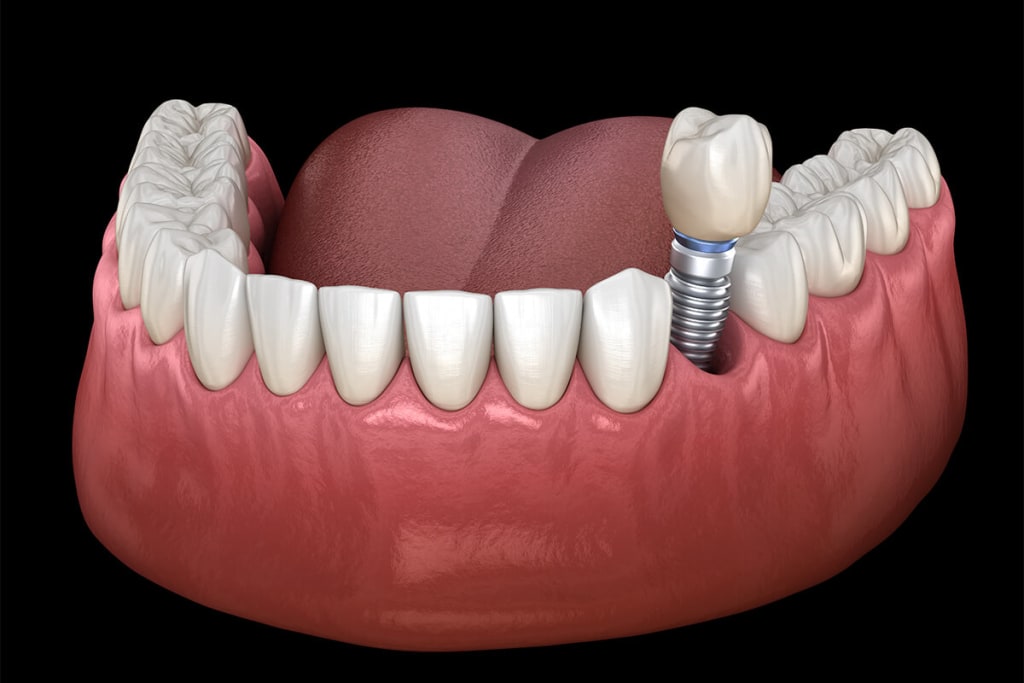
The decision to restore a missing smile is about much more than oral function; it is a profound step toward reclaiming one’s quality of life, personal assurance, and social freedom. For many individuals experiencing tooth loss, traditional dental prosthetics often bring unexpected lifestyle limitations, drastically shifting how they eat, speak, and interact within their communities. Understanding the deep relationship between contemporary restorative solutions and daily living highlights why managing oral health is so vital for overall long-term well-being.
The Psychological Toll of Tooth Loss
Living with missing teeth or loose dentures often goes far beyond physical discomfort, significantly impacting mental wellness and individual self-esteem. Many people find themselves instinctively covering their mouths during laughter, avoiding direct eye contact, or turning down social invitations involving dining out. This constant state of self-consciousness creates a invisible emotional barrier, leading to social withdrawal, feelings of isolation, and diminished confidence in professional settings.
By replacing the entire tooth structure from root to crown, modern dental restorations alleviate these underlying anxieties. This transformative process allows individuals to speak clearly, smile freely, and re-engage with their personal and professional communities without the persistent fear of embarrassment or appliance slippage.
Restoring Dietary Freedom and Nutritional Health
One of the most immediate practical benefits of comprehensive dental restoration is the return to a normal, nutritious diet. Traditional floating dentures significantly reduce an individual’s biting force, forcing many people to abandon crunchy vegetables, fibrous fruits, and tough proteins. Over an extended period, this involuntary dietary shift can lead to poor digestion, vitamin deficiencies, and secondary systemic health complications.
Because modern implants fuse directly with the jawbone through a natural process called osseointegration, they mirror the structural stability of organic teeth. This permanent stability allows patients to confidently enjoy a diverse, unrestricted range of whole foods, drastically improving nutrition, metabolic digestion, daily energy levels, and overall physical vitality.
Enhancing Social and Professional Confidence
A functional, complete smile acts as a silent ambassador in everyday human connections across Australia. Whether presenting in a corporate boardroom, attending an intimate family gathering, or simply enjoying a casual conversation with neighbours, the security of fixed teeth fundamentally transforms body language and vocal clarity.
Patients frequently report an immediate surge in self-worth following their treatment, noticing that they project greater warmth, openness, and accessibility to those around them. This newfound reassurance frequently opens doors to advanced career opportunities, public speaking roles, and deeper personal relationships that previously felt entirely out of reach due to dental insecurities and speech impediments.
Modern Efficiencies in Restorative Care
The clinical field of reconstructive dentistry has advanced dramatically in recent years, moving away from lengthy, multi-stage procedures toward seamless, highly time-effective treatments. Patient-centric innovations now allow individuals suffering from extensive tooth loss or advanced periodontal disease to achieve a fully restored smile in a remarkably compressed timeframe.
In terms of modern clinical approaches, modern implant dentistry trends now favour All-On-4 Plus for efficiency, offering a robust, full-arch solution that minimises surgical intervention and accelerates recovery times. This streamlined clinical pathway allows busy individuals to transition from dental instability to a fixed, natural-looking set of teeth with minimal disruption to their daily professional schedules and personal routines.
Long-Term Longevity and Structural Support
Beyond immediate aesthetic improvements, implant-supported prosthetics play a crucial role in preserving the structural integrity of the facial anatomy. When natural teeth are lost, the underlying jawbone naturally degrades over time due to a distinct lack of mechanical stimulation, leading to a prematurely aged, sunken facial appearance and deep wrinkles around the mouth.
Implants act as artificial roots, stimulating the bone tissue and preserving the natural contours of the jawline. Investing in this permanent solution prevents the progressive structural collapse often seen with traditional plates, offering a youthfulness, facial harmony, and structural stability that lasts for decades.
Navigating the Post-Surgical Healing Phase
While the long-term lifestyle rewards of advanced dental restorations are vast, achieving optimal results requires careful adherence to clinical recovery protocols. The initial healing phase is absolutely vital for successful osseointegration, demanding a temporary shift in daily habits to protect the healing gum tissue and integrated titanium fixtures.
Patients must temporarily adjust their eating patterns, often relying on a well-rounded liquid diet plan to maintain nutritional intake while avoiding excessive chewing pressure during the critical first few weeks of recovery. By balancing patience during the healing phase with modern clinical advancements, individuals can seamlessly transition into a lifestyle defined by uncompromised oral health, renewed vitality, and absolute confidence.