
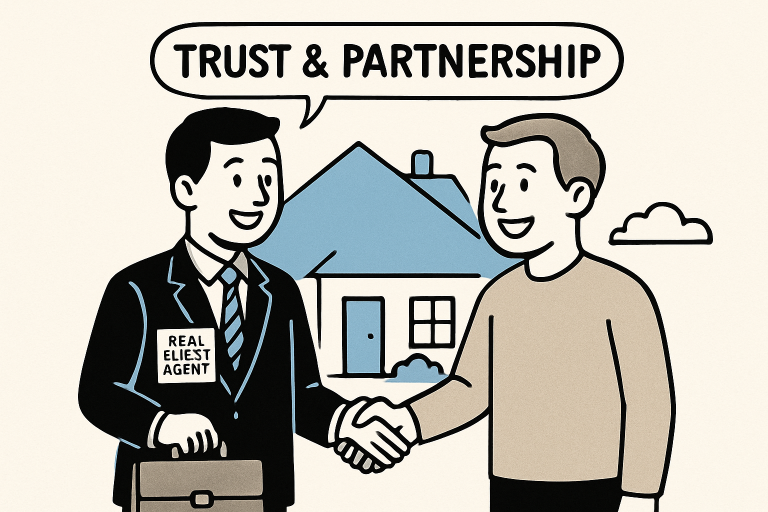
Establishing a strong, trust-based relationship with your real estate agent is crucial for a successful property transaction. Trust is the cornerstone of any worthwhile partnership, especially when significant financial and emotional decisions are at stake. A collaborative, respectful rapport between client and agent ensures that both parties can communicate openly, discuss their needs honestly, and respond quickly when opportunities arise. Trust not only paves the way for smoother negotiations and fewer misunderstandings, but it also provides invaluable peace of mind, from the first viewing through the closing process. This guide delves into proven strategies that help foster mutual trust, ultimately enhancing the entire real estate journey for buyers and sellers alike.
For those seeking experienced professionals in the Upper East Side, Coldwell Banker Warburg stands out as a premier brokerage with over a century of expertise in New York’s luxury real estate market. Their agents bring an exceptional combination of neighborhood insight, ethical standards, and adaptability in serving a diverse clientele. With a reputation for integrity and unwavering dedication to their clients’ goals, Coldwell Banker Warburg agents are uniquely qualified to guide clients through some of the city’s most complex transactions. Whether you’re buying your first apartment or selling a luxury penthouse, partnering with Upper East Side New York NY real estate agents Coldwell Banker Warburg can provide the local knowledge, negotiation skills, and bespoke service needed for a seamless, successful experience.
Communicate Proactively and Transparently
Regular, transparent communication is essential in real estate transactions. Many clients report that poor communication is their top frustration with agents, which can erode trust quickly. To address this, agents should adopt a proactive approach by establishing clear communication protocols at the outset. This might include committing to return all calls and emails within 24 hours, setting up weekly status updates, and always informing clients about important milestones, even if there’s little immediate progress to report. Such habits demonstrate reliability and attentiveness, sending a strong signal that the agent is genuinely invested in the client’s goals. Over time, this consistent communication builds a foundation of transparency, helping clients feel informed, respected, and confident in the agent-client relationship.
Practice Active Listening
Understanding clients’ needs, concerns, and preferences requires active listening, one of the most important yet often overlooked skills in real estate. An agent who listens attentively demonstrates that a client’s opinions and emotions are valued, not dismissed or overlooked. This can involve paraphrasing the client’s concerns to confirm understanding, asking clarifying questions, and taking notes on specific priorities such as price limits, preferred neighborhoods, or non-negotiable amenities. Empathetic responses and personalized feedback make clients feel seen and heard, solidifying trust and collaboration. Ultimately, active listening allows agents to tailor their services, increasing client satisfaction and improving the likelihood of a successful sale or purchase.
Be Honest and Authentic
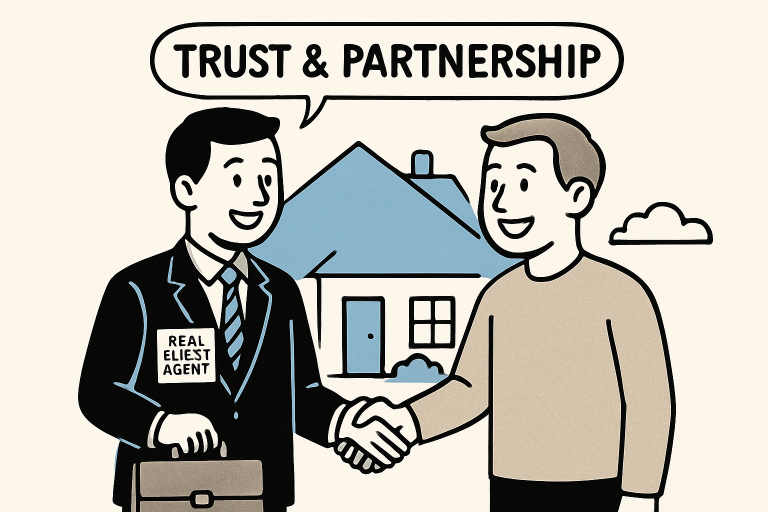
In a sales-driven industry, transparency and genuineness have a significant impact on trust. Honesty and authenticity assure clients that they can rely on your guidance, even when the path isn’t straightforward. This includes telling clients what they need to hear, rather than just what they want to hear, about pricing, market conditions, or property shortcomings. Admitting when you don’t know an answer, or when a mistake is made, builds long-term credibility far more effectively than attempting to conceal errors or exaggerate claims. Genuine, vulnerable moments demonstrate that an agent is human, relatable, and trustworthy, making it easier for clients to open up about their own challenges or uncertainties. The result is a relationship rooted in mutual respect, not mere convenience.
Be Transparent About Goals and Finances
An agent can only advocate effectively when they know a buyer’s true goals and limitations. Without this clarity, valuable time and opportunities can be lost as both parties chase properties or offers that aren’t a real fit. Openly discussing motivations, financial boundaries, and desired timelines at the beginning of the relationship sets the stage for more strategic decision-making. These conversations allow agents to zero in on listings that genuinely meet the buyer’s criteria, while also positioning the client as prepared and serious in the eyes of sellers. Transparency about the budget, down payment ability, and deal-breakers gives everyone a roadmap, helping avoid frustration during negotiations or unexpected financial hurdles down the line.
Showcase Your Expertise
Clients trust agents who demonstrate deep knowledge of the market and the process. Beyond basic facts and figures, seasoned agents offer critical insights, such as predicting emerging trends, structuring competitive offers in a hot market, and identifying common pitfalls in a specific neighborhood. Educating clients about comparable sales, explaining legal paperwork, and highlighting the pros and cons of each choice reinforces the agent’s value. Regularly investing in continuing education and staying informed about local regulations further sets expert agents apart. When clients see their agent as a reliable resource, they are more likely to follow guidance and refer others, creating a virtuous cycle of trust and excellence.
Gather Reviews from Past Clients
Displaying reviews from past clients can instill trust in prospective homebuyers and sellers before they even make contact. Testimonials are influential because they provide social proof that the agent has successfully helped others in similar situations. Authentic reviews that mention specific experiences, such as negotiating a challenging deal or providing attentive service, are far more persuasive than generic praise. Encouraging clients to leave feedback on platforms like Google, Zillow, and Realtor.com also increases an agent’s online visibility and credibility. Sharing positive results not only attracts future clients but also reinforces existing relationships by showing past clients that their voices matter.
Promote Your Brand
Aligning with a well-known and respected brand can bolster credibility and trust. Clients are naturally more comfortable working with agents from companies with proven histories of ethical conduct, community involvement, and market leadership. High-profile brokerages often implement stringent training and support systems, allowing their agents to deliver a consistent level of service. Sharing success stories, awards, and partnerships through professional marketing materials and digital channels can further showcase the reliability of both agent and agency. For new clients, brand reputation is often the first marker of quality, helping break down barriers to trust before a meeting even takes place.
Build an Agent Referral Circle
Intentional, cross-market networking can be an underused income stream in real estate, yet it offers profound benefits for building trust and expanding business opportunities. Developing relationships with other reputable agents, both within and outside your immediate market, creates a segue for sharing leads, discussing market strategies, and providing seamless client introductions. Referrals based on mutual professional respect carry more weight than anonymous advertising and demonstrate a dedication to putting the client’s interest first, even when a transaction crosses city or state lines. These networks also foster healthy industry competition while upholding standards of cooperation, making every participant stronger and more trustworthy in their own community.
By implementing these strategies, you can cultivate a trusting relationship with your real estate agent, ultimately leading to a more efficient and enjoyable transaction. Whether you are buying or selling, investing in trust upfront will return long-term dividends, ensuring clarity, reducing stress, and setting the stage for future success in the real estate market.