
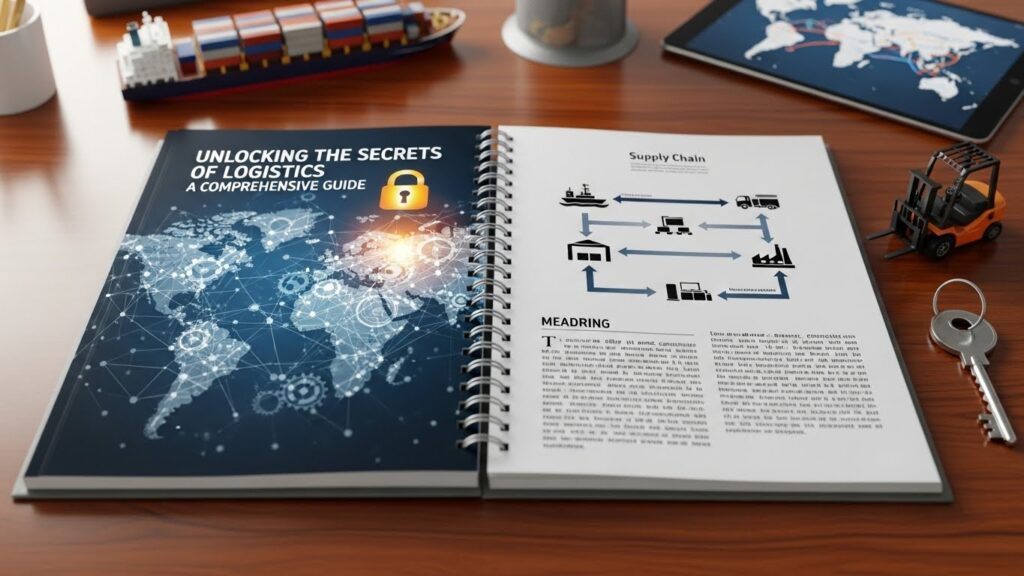
Logistics is the backbone of every successful business. It’s an intricate web of processes that ensures products move seamlessly from point A to point B. Whether you’re aware of it or not, logistics plays a crucial role in your daily life. From the moment you order a meal online to when that new gadget arrives at your doorstep, logistics orchestrates it all.
But what exactly does this term encompass? Many people have only a vague understanding, associating it primarily with transportation. Yet, there’s so much more beneath the surface. Logistics involves various components working in harmony to create efficiency and effectiveness in supply chains.
If you’re curious about how logistics can benefit businesses and improve customer satisfaction, you’ve come to the right place. Get ready to dive deep into this fascinating field as we unlock its secrets together!
Key Components of Logistics: Transportation, Warehousing, and Inventory Management
Transportation is the backbone of logistics. It involves moving goods from one location to another, whether by road, rail, air, or sea. The efficiency of transportation affects delivery times and customer satisfaction.
Next comes warehousing. This component provides a safe space for storing products before they reach consumers. Well-organized warehouses streamline operations and reduce costs associated with excess inventory.
Inventory management ties everything together. It’s about knowing what you have on hand and when to replenish stock. Effective inventory systems help prevent shortages and overstock situations that can harm a business’s bottom line.
Each element plays a unique role in ensuring smooth operations within the supply chain. Understanding how these components interact can lead to enhanced performance across various sectors in logistics.
The Importance of Logistics in Business Operations
Logistics plays a crucial role in the smooth functioning of any business. It’s the backbone that supports various operations, ensuring products reach customers on time.
Effective logistics management enhances customer satisfaction. When deliveries are punctual and accurate, customers are more likely to return for repeat purchases.
Furthermore, streamlined logistics can significantly reduce operational costs. By optimizing transportation routes and managing inventories efficiently, businesses can save money while improving service quality.
In today’s competitive market, agility is key. Companies that master logistics can adapt quickly to changing demands or unexpected disruptions.
Moreover, strong logistics practices foster better supplier relationships. A reliable supply chain ensures that businesses have access to necessary materials when they need them most.
Investing in logistics not only boosts efficiency but also propels growth and innovation within an organization. The impact is felt across all levels of operation.
Challenges and Solutions in the Field of Logistics
Logistics faces a myriad of challenges that can hinder efficiency and effectiveness. One major hurdle is the ever-increasing demand for speed and accuracy in deliveries. Customers expect their orders to arrive faster than ever, putting pressure on logistics operations.
Another significant issue is supply chain disruptions. Natural disasters, political instability, or unexpected events can severely impact transportation routes and inventory levels.
To tackle these problems, companies are adopting better predictive analytics tools. These technologies provide insights into potential risks and help in proactive planning.
Investing in flexible warehousing solutions also enhances resilience against fluctuating demands. This allows businesses to adapt quickly when circumstances change.
Moreover, fostering strong relationships with suppliers creates a more streamlined process for addressing delays or shortages as they arise. Effective communication ensures everyone stays aligned during turbulent times.
Advanced Technologies and Innovations in Logistics
Advanced technologies are transforming logistics at an astonishing pace. Automation is leading the charge, with robotics streamlining warehouse operations. Robots can pick, sort, and pack items faster than human workers.
Data analytics plays a crucial role as well. Businesses now leverage big data to forecast demand and optimize routes. This not only saves time but also reduces costs in transportation.
The Internet of Things (IoT) enhances real-time tracking of shipments. Sensors provide visibility into temperature, humidity, and location for sensitive goods. Companies can respond swiftly to any issues that arise during transit.
Drones are making their mark too. They promise quicker deliveries in urban areas while bypassing traffic congestion entirely.
As these innovations evolve, they create a more efficient logistics landscape that meets the growing demands of consumers today.
Career Opportunities in the World of Logistics
The world of logistics offers a wealth of career opportunities for those looking to make their mark. From supply chain managers to transportation coordinators, the roles are diverse and exciting.
Logistics professionals play a crucial role in ensuring that products move smoothly from point A to B. This industry requires skills in planning, problem-solving, and communication. Companies seek individuals who can adapt quickly to changing circumstances.
As e-commerce continues to grow, demand for logistics experts is surging. Positions such as warehouse supervisors and inventory analysts are increasingly important. These roles focus on maximizing efficiency and reducing costs.
Moreover, technology is reshaping logistics careers. Roles involving data analysis or software management have emerged as critical components of modern operations. The sector not only values experience but also encourages continuous learning through certifications and training programs.
With globalization expanding markets, opportunities abroad await adventurous spirits willing to explore new cultures while advancing their careers in logistics.
Conclusion
Logistics is a vital cog in the machinery of business operations. It influences efficiency, customer satisfaction, and overall success. Understanding its components—transportation, warehousing, and inventory management—is essential for anyone looking to optimize their supply chain.
The significance of logistics cannot be overstated. As businesses strive for growth and scalability, effective logistics strategies can transform challenges into opportunities. Indeed, navigating the complexities of this field requires both expertise and innovative solutions.
Advanced technologies are reshaping how logistics operates today. From automation to real-time tracking systems, these innovations enhance performance and streamline processes. Embracing such advancements offers organizations a competitive edge.
Moreover, the world of logistics presents diverse career opportunities for those interested in this dynamic sector. Whether you’re drawn to operations management or technology integration roles, there’s a place for you on this exciting journey.
As industries continue evolving at an unprecedented pace, understanding logistics will remain crucial for sustained growth and efficiency.