
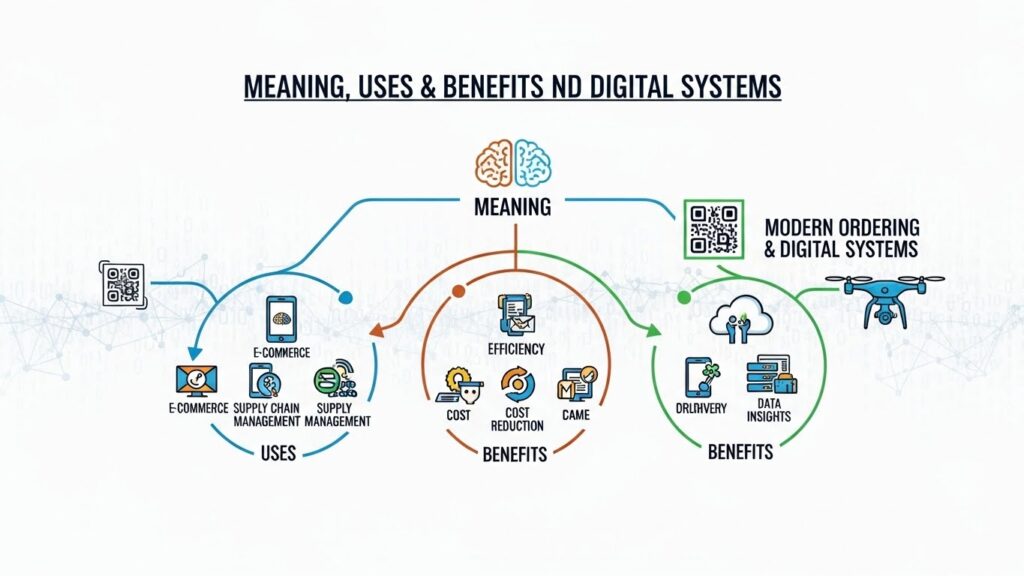
MultPO is a term increasingly used in business, e-commerce, and digital transaction systems to describe the management of multiple purchase orders within a single process or platform. As businesses scale and handle higher transaction volumes, the need for efficient order management becomes essential. MultPO addresses this need by simplifying how multiple orders are created, tracked, and processed.
In today’s fast-paced commercial environment, Mult-PO plays a vital role in improving operational efficiency and reducing administrative complexity.
What Is MultPO?
MultPO stands for Multiple Purchase Order processing. It refers to a system or method that allows organizations to generate, manage, or consolidate more than one purchase order at the same time.
Instead of handling each purchase order individually, Mult-PO enables batch processing, centralized tracking, and streamlined approvals. This approach is particularly useful for companies that deal with numerous suppliers, large inventories, or frequent procurement cycles.
Purpose of MultPO Systems
The main purpose of Mult-PO is to improve efficiency in procurement and order management. Handling multiple purchase orders manually can be time-consuming and prone to errors.
Mult-PO systems reduce repetitive tasks by automating order creation, approvals, and documentation. This leads to better accuracy, faster processing, and improved coordination between departments.
Key Features of MultPO
One of the core features of Mult-PO is centralized order management. All purchase orders are stored and monitored in a single system, making it easier to track status and updates.
Another important feature is automation. Mult-PO often integrates with inventory management, accounting, and supplier systems. This ensures seamless data flow and reduces the need for manual data entry.
Customization is also a key aspect. Businesses can tailor Mult-PO workflows based on approval hierarchies, budgets, and supplier agreements.
How MultPO Works
Mult-PO typically begins with demand identification from different departments or projects. These requirements are collected and converted into multiple purchase orders within the system.
The system then routes these orders for approval, applies predefined rules, and sends them to suppliers. Once approved, Mult-PO tracks delivery, invoicing, and payment processes, ensuring transparency throughout the procurement lifecycle.
Benefits of MultPO for Businesses
MultPO offers significant benefits for organizations of all sizes. It improves productivity by reducing the time spent on manual order processing.
Cost control is another advantage. By having a clear overview of all purchase orders, businesses can better manage budgets and avoid duplicate or unnecessary purchases.
MultPO also enhances supplier relationships by ensuring timely and accurate order communication.
MultPO in E-Commerce and Digital Platforms
In e-commerce environments, MultPO is often used to manage bulk orders or multiple vendor purchases. Online marketplaces and wholesalers benefit from Mult-PO by handling high volumes of orders efficiently.
Digital Mult-PO solutions integrate with order fulfillment systems, enabling faster processing and improved customer satisfaction. This is especially important during peak sales periods.
Role of MultPO in Supply Chain Management
Mult-PO plays a crucial role in supply chain coordination. By managing multiple purchase orders in one system, businesses gain better visibility into supply chain activities.
This visibility helps reduce delays, optimize inventory levels, and improve demand forecasting. Mult-PO ensures that procurement aligns with production and sales schedules.
MultPO and Automation
Automation is a key driver behind the growing adoption of Mult-PO. Automated workflows reduce human errors and speed up approvals.
With automation, Mult-PO systems can generate reports, send notifications, and update order statuses in real time. This leads to better decision-making and improved operational control.
Challenges in MultPO Implementation
Despite its advantages, implementing Mult-PO can present challenges. Initial setup and system integration may require time and technical expertise.
Employee training is also essential to ensure proper usage. Without adequate training, businesses may not fully realize the benefits of Mult-PO.
However, these challenges are often outweighed by long-term efficiency gains.
MultPO in Small vs Large Businesses
For small businesses, Mult-PO helps manage growth by organizing procurement processes early. It reduces confusion as order volumes increase.
In large enterprises, Mult-PO is essential for handling complex procurement operations across multiple departments and locations. It supports scalability and standardization.
Future of MultPO
The future of MultPO lies in advanced digital integration. Artificial intelligence and data analytics are expected to enhance forecasting, supplier selection, and cost optimization.
Cloud-based MultPO solutions will continue to gain popularity due to their flexibility and accessibility. These advancements will make MultPO even more efficient and user-friendly.
Why MultPO Matters
MultPO matters because it simplifies a critical business function. Efficient purchase order management directly impacts cost control, supplier relationships, and operational success.
By adopting MultPO, businesses can streamline workflows, improve accuracy, and support sustainable growth in a competitive market.
Conclusion
MultPO is an essential solution for managing multiple purchase orders in modern business environments. Its ability to centralize, automate, and optimize procurement processes makes it valuable across industries.
As businesses continue to scale and digitize operations, Mult-PO will remain a key tool for efficiency, transparency, and long-term success.