Key Takeaways
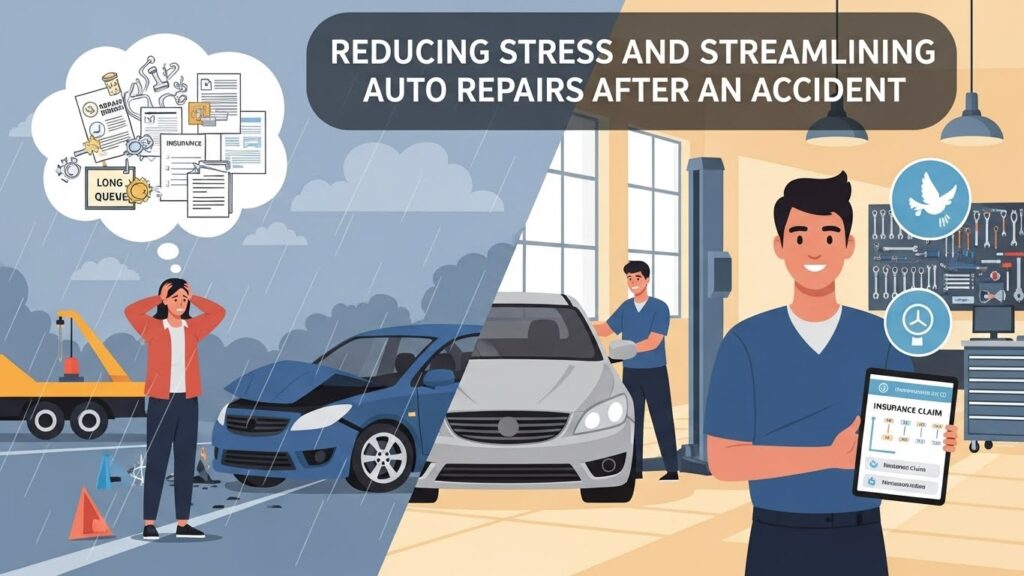
- Choosing a reputable, certified repair shop ensures quality workmanship, transparency, and a sense of peace of mind.
- Thoroughly documenting the accident scene and understanding insurance procedures helps protect your rights and expedite the claims process.
- Direct Repair Programs (DRPs) can streamline repairs, reduce paperwork, and often provide additional warranties.
- Realistic expectations about repair timelines and costs prevent frustration and financial surprises.
- Maintaining open communication with your repair facility keeps you informed and involved throughout the process.
- Planning for alternative transportation minimizes disruptions while your vehicle is being repaired.
- Prioritizing self-care and managing stress supports a smoother recovery after an accident.
Selecting a trustworthy repair facility is a vital step in the recovery process after a car accident. You want a shop that’s not only experienced but also values transparency and fairness. Look for shops with positive reviews online and proper industry certifications—these are signs of a reputable business. Ask whether the shop provides warranties on both parts and labor, as this can give added peace of mind. A reliable shop will provide clear, written estimates, explain the extent of the necessary repairs, and keep you informed throughout the entire process. They should encourage you to ask questions and be upfront about any changes in cost or timeline. Quality workmanship is key, as you want your vehicle restored to its pre-accident condition, both in terms of safety and appearance.
For those in the Wichita area, Global Auto Collision stands out as a premier choice for auto body repairs and collision recovery. As a locally owned and operated business, Global Collision Centers has been serving the community since 2012, earning a strong reputation for exceptional customer care and technical expertise. Their comprehensive range of services includes major collision repair, paintless dent removal, hail damage repair, and custom paint jobs. The dedicated team of certified technicians utilizes state-of-the-art equipment and high-quality materials to restore vehicles with precision and care. At Global Auto Collision, customers benefit from friendly service, clear communication, and a trustworthy approach that helps reduce the stress of post-accident repairs.
Understanding the Emotional Impact of Car Accidents
Experiencing a car accident can be a traumatic event, leading to significant stress and anxiety for everyone involved. The emotional aftermath often involves more than just the immediate shock of the collision—it can manifest in ongoing fears about driving, worry over injuries, and the burden of dealing with insurance claims and repairs. Many accident victims feel overwhelmed as they juggle medical visits, reporting procedures, and the logistics of managing transportation without their usual vehicle. Recognizing the emotional toll is the first step toward managing stress effectively. Allowing yourself time to process the experience, seek support from loved ones, or even talk with a professional if anxiety becomes unmanageable can make a big difference in your recovery. Remember that it is completely normal to feel shaken after an accident, and seeking help is a sign of strength, not weakness.
Immediate Steps to Take Post-Accident
Once everyone is safe and you’ve contacted emergency services if there are any injuries or major damage, it’s important to focus on gathering crucial information. Check on the condition of all individuals involved, both in your vehicle and in others. After ensuring safety, document the accident scene carefully by collecting names, contact details, and insurance information from all parties involved. Take photographs of the vehicles, road conditions, and any specific damage or contributing factors, such as skid marks or debris. If there are witnesses, ask for their contact information and statements as well. Obtaining a police report is also recommended, as it serves as an official record of what happened. These steps not only facilitate the insurance claim process but can also help protect your rights and expedite repairs. Taking thorough notes immediately can prevent miscommunication and provide valuable evidence in the event of disputes later.
Leveraging Insurance Direct Repair Programs
Many insurance companies offer Direct Repair Programs (DRPs) designed to streamline the repair process for their policyholders. DRPs connect you with a network of pre-approved, reputable auto repair shops that have met specific quality standards. Choosing a shop within this network often leads to faster claim approvals and a simplified repair experience, as insurance adjusters already trust these businesses and rely on their expertise. This can reduce the amount of paperwork you need to complete and the time spent searching for a qualified facility. Additionally, repairs through DRP partners may come with additional warranties or guarantees. Utilizing a DRP can lead to quicker repairs with less hassle, enabling you to return to your routine faster and with fewer worries about the quality of the work performed. This proactive approach can alleviate the administrative burden at a time when you’re already facing emotional and logistical challenges.
 Understanding Repair Timelines and Costs
It’s essential to have realistic expectations regarding the time and cost involved in vehicle repairs following an accident. Modern vehicles are equipped with complex safety features, sophisticated electronics, and lightweight materials, which can increase both the complexity and duration of repairs. According to a report by CCC Intelligent Solutions, the time it takes for vehicles to enter repair shops after an estimate has increased by 60% compared to pre-pandemic times, partly due to ongoing supply chain disruptions and labor shortages. This means that what might have previously taken a few days could now extend into several weeks, especially if replacement parts need to be ordered or thorough diagnostic testing is required. When you understand these potential delays and the detailed work involved, it’s easier to remain patient and set practical expectations about when your vehicle will be ready. Additionally, request a detailed breakdown of estimated costs and double-check with your insurance provider to clarify which expenses are covered and which you may need to pay out of pocket. Being prepared in advance can help you budget and minimize surprises, further alleviating stress during the repair process.
Maintaining Open Communication with Your Repair Shop
Keeping the lines of communication open with your auto repair shop is a critical part of reducing stress and ensuring satisfaction throughout the repair process. Regular updates, whether through phone calls, emails, or text messages, can help you stay informed about the progress of your vehicle’s repair and any unexpected developments. Establishing a communication plan from the start allows you to provide your preferences for how and when you want to be updated. Don’t hesitate to ask about the specific stages of the process, anticipated completion dates, or whether additional repairs have been identified after the initial assessment. Clear, honest communication builds trust and gives you peace of mind, as you’ll always know where things stand. When you remain actively involved, you retain a sense of control over the situation, making the overall experience much more manageable.
Planning for Alternative Transportation
The time spent without your primary vehicle can become a significant source of inconvenience after an accident. Since repairs, depending on the extent of damage and parts availability, can take anywhere from several days to a few weeks, planning for alternative transportation is crucial. Consider options such as rental cars, car-sharing services, or public transit to help maintain your daily routine and avoid unnecessary disruptions. Some auto repair shops and insurance plans can assist with arranging rentals or have partnerships with local agencies that simplify the process and may even reduce your personal costs. Before committing to an expensive rental, review the details of your insurance policy or consult with your adjuster to determine whether rental reimbursement coverage is available and what limits or restrictions may apply. Being proactive in arranging transportation means you won’t be left scrambling at the last minute, allowing for a smoother transition while your car is in the shop.
Practicing Self-Care During the Repair Process
While it’s easy to become preoccupied with insurance issues and repair logistics, maintaining both your mental and physical well-being is equally important. Managing stress is essential for your overall health, particularly when balancing work, family, and the aftermath of an accident. Engage in activities that promote relaxation, such as going for a walk, practicing meditation, or spending quality time with friends and loved ones. Consider talking about your feelings with someone you trust—sometimes, simply expressing your frustrations and concerns can lighten your emotional load. Taking small steps, such as eating a healthy diet, getting enough rest, and exercising, can also help mitigate stress. If you find yourself feeling persistently anxious or overwhelmed, do not hesitate to reach out for professional help. Remember that self-care isn’t a luxury, but rather a necessary part of recovering after a traumatic event like a car accident. Prioritizing your mental health will ultimately help you navigate the repair process more efficiently and restore your daily routine more quickly.
Final Thoughts
While car accidents are inherently stressful, having an understanding of the repair process and taking proactive steps to prepare can significantly reduce anxiety and uncertainty. By choosing reputable repair shops, leveraging insurance programs like Direct Repair Programs, and maintaining open communication with both your insurance provider and the auto repair team, you can navigate the aftermath of an accident with more confidence. Thoughtful planning—such as arranging alternative transportation in advance and allowing time for self-care—further eases the burden.