
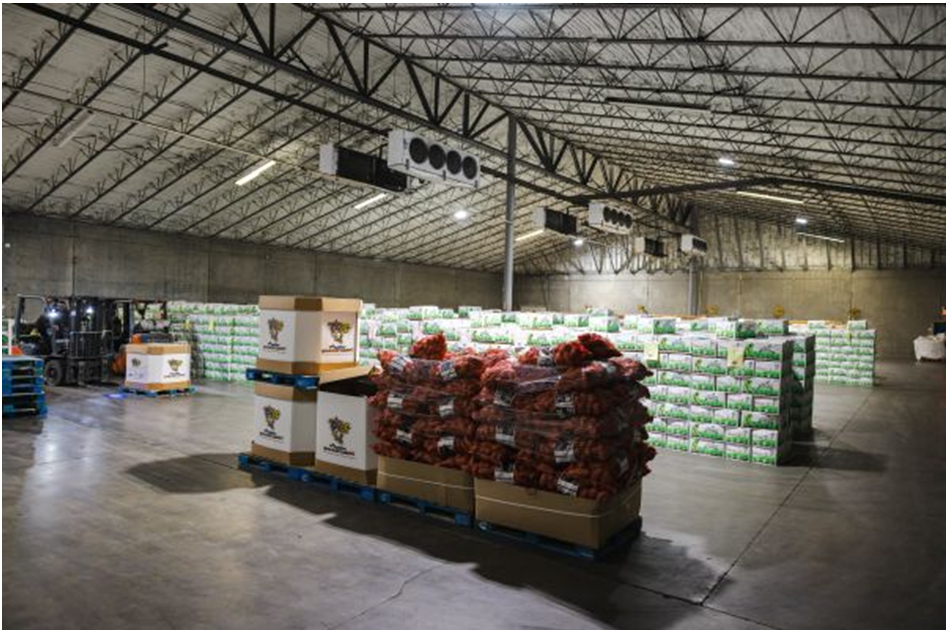
Walk into any local grocery store and stroll through the produce section. Take a few minutes to think about what it took for all that fresh produce to get to where it is now. From farms sowing thousands of seeds and tending vast tracts of farmland to harvesting, processing, and transporting it all to stores across the country—or world. It doesn’t end there, of course: The next stop is the dinner table, where that produce becomes part of a nutritious meal.
All these steps comprise the global food supply chain, a vast interconnected series of processes that are crucial for keeping the world fed. And while it’s an incredible feat of human achievement, it’s one that most of us take for granted, and as the recent pandemic has demonstrated, it is also one that can be disrupted as a consequence of economic, climate, or social upheaval.
For this reason, farmers are constantly on the lookout for high-yield, nutrient-rich crops that can be transported and stored easily, and there is one staple food that fits the bill: potatoes. Below, we’ll discuss the reasons why potato farming is such a critical component of the global food supply chain and what you can do to support farmers in their efforts to provide this major food source to the world.
Why Potatoes?
Any crops that enter the global supply chain must first be able to be shipped from the farms where they are grown to the markets where they will be sold. This process is easier for some foods than others. Certain fruits, particularly berries, only keep for a few days unless they are frozen. This means that transporting them over long distances is not always a feasible option. Root vegetables, such as potatoes, however, have a long shelf life and can be shipped far more cheaply and easily. Potatoes are also a crop that can be grown in diverse regions of the world, as they are more adaptable than other crops to different soil types and water availability.
Potato farming is also much more efficient than farming many other crops. They require less space to grow, meaning that a single farm can produce a greater yield of potatoes than they can of their nearest competitors. Potatoes also have shallower root systems than other crops, meaning they do not need to be planted as deeply in order to thrive. This can save a great deal of time during the sowing and harvesting processes, directly translating to an improved yield and more product, which can be sent to more tables.
A Low-Cost Source of Nutrition
There is also the question of nutritional value to consider. While there are many fruits and vegetables that contain important vitamins and minerals necessary for a healthy diet, few of these contain a complete nutritional profile. Potatoes, on the other hand, can provide nearly all the components a healthy diet needs, such as protein, fiber, carbohydrates, and plenty of antioxidants.
Antioxidants are believed to help reduce inflammation, potentially contributing to the battle against cancer, heart disease, and other illnesses. Potatoes also contain a resistant starch that helps to control blood sugar, making them an excellent source of slow-burning energy for those trying to avoid blood sugar spikes.
The Importance of Potatoes for Food Security
In a world where food security is not guaranteed everywhere, providing access to nutrient-dense staple foods is a necessity. While other foods may whither on the shelf or have a prohibitive cost, potatoes can help support food security across the world.
All the nutritional benefits mentioned in the section above mean that populations living where potatoes are available have reliable access to everything they require for a healthy diet. The nutrient density of potatoes combined with their relatively low cost and ease of transportation means that they are one of the most critical staple foods in the global supply chain.
How Potatoes Support Trade
Besides their importance for human health and food security, potato exports are a major sector of the global economy, having been measured at $6.2 billion in 2023. The United States alone accounts for hundreds of millions of dollars in trade, exporting potatoes to many countries, including Mexico, Canada, Japan, and South Korea.
The importing and exporting of potato products contributes to a great deal of other economic activity as well. In addition to creating agricultural jobs worldwide, many people are also employed in the processing of potato products, turning fresh potatoes into dehydrated and frozen ones that allow for even more diversity in the markets. The global food supply chain depends on a robust economy in addition to a reliable supply of product, and potatoes go a long way toward supporting that economy.
How You Can Support Potato Farmers
The food supply chain is a vast, interconnected global network, but it begins in your backyard with local farmers working together to streamline and improve production to meet the ever-increasing demands of a growing world population. Coalitions of generational farms make up organizations like the Washington State Potato Commission, which are continually working to improve sustainability and discover new methods of increasing output while placing less demand on scarce resources.
Supporting your local potato farmers is the best way you can contribute to protecting the global food supply chain. You can do this by purchasing your produce locally from farmers’ markets and grocery stores that source their products from nearby. By helping to keep your local farmers in business, you’ll provide critical support for one of the largest and most important industries for global food production. You can also follow your local potato commissions on social media to help spread the word about the work that they are doing to bring this critical crop to communities everywhere.