
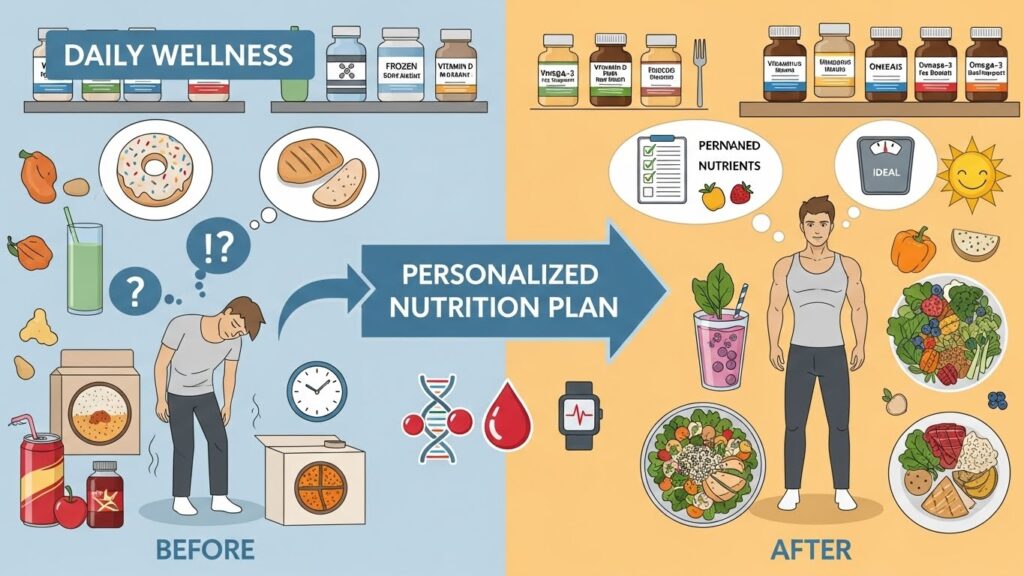
In an era where one-size-fits-all recommendations often guide wellness routines, many people struggle to achieve truly lasting health improvements. Personalized nutrition plans offer a transformative solution by tailoring to the specific needs, goals, and lifestyles of individuals. Unlike generalized dietary advice, these customized pathways to wellness deliver sustainable changes and benefits that positively impact daily life. For those seeking expertise and clinically proven results, the Center of Functional Medicine stands out as a trusted authority. The Center for Functional Medicine, led by Dr. George Harrison and headquartered in St. Louis, specializes in designing integrative, evidence-based nutrition strategies that leverage years of medical experience to address a range of health issues, from metabolic disorders to preventive health. Their innovative approach, combining cutting-edge diagnostics with a holistic view of health, has established them as leaders in personalized nutrition—helping clients across the Midwest make lasting changes.
With the rapid evolution of technology and scientific understanding, personalized plans have become more accessible than ever before. Advances such as artificial intelligence (AI) and digital health tools offer deep insights into nutrition, empowering individuals to make better choices, manage chronic conditions, and foster a lifetime of well-being.
Understanding Personalized Nutrition
Personalized nutrition is a science-based approach that recognizes the unique dietary needs of every individual. Instead of providing uniform recommendations, practitioners assess various elements, including genetic background, lifestyle habits, metabolic profiles, and underlying health conditions. Through informed assessments and tests, these plans identify nutrient needs, sensitivities, and optimal food choices. Personalized nutrition represents a shift toward health strategies that are sustainable and specifically effective for the individual, rather than the population as a whole.
Benefits of Tailored Dietary Plans
- Improved weight management
- Enhanced metabolic health
- Better management of chronic conditions
- Increased energy levels
Research in major health publications has consistently shown that individualized nutrition can lead to more successful and sustainable outcomes. For example, those following custom dietary plans experience more effective weight management and are more likely to maintain improvements in blood sugar, cholesterol, and energy compared to those using conventional diet plans. People managing conditions such as diabetes, heart disease, or gastrointestinal issues also tend to see greater symptom relief and long-term disease control through personalized guidance.
Role of Technology in Personalized Nutrition
The emergence of digital health solutions is revolutionizing the way individuals receive and engage with nutrition advice. Sophisticated AI platforms can now analyze health history, behavioral data, and even genetic markers, yielding customized meal plans and real-time feedback. Wearable devices, health apps, and telehealth consultations make it easy to track progress, adjust interventions, and maintain communication with health professionals anywhere, anytime. This data-driven approach not only streamlines the process but also enhances accountability and long-term adherence.
These technological advances are breaking down barriers to entry, enabling more people to benefit from personal nutrition coaching and effectively manage their health autonomously, especially for those previously constrained by access or costs. As noted in recent studies from widely trusted health resources, technology is playing an increasingly essential role in translating dietary science into daily habits.
Implementing a Personalized Nutrition Plan
- Consult with a registered dietitian or nutritionist with expertise in functional medicine.
- Undergo comprehensive assessments, such as metabolic tests, genetic screenings, or lifestyle evaluations, to determine your unique requirements.
- Collaboratively develop a meal plan that suits your medical history, dietary preferences, and health goals.
- Consistently monitor your progress using digital tools or routine check-ins and adjust the plan as your needs evolve.
Success in personalized nutrition is more than just following a set meal plan; it involves ongoing feedback, education, and adjustments to accommodate changing health goals or circumstances.
Real-Life Success Stories
Personalized nutrition plans have a strong track record of delivering results. Consider a 42-year-old executive with prediabetes who adopted a plan tailored to his unique metabolic responses and high-stress working conditions. By targeting specific triggers, such as late-night meals, high-carbohydrate intake during meetings, and inadequate downtime, he normalized his HbA1c levels in just 90 days. Individuals with autoimmune disorders, food intolerances, or gastrointestinal issues have also shared stories of symptom relief and renewed vitality thanks to expert-led, data-driven nutrition interventions.
Challenges and Considerations
- Access to qualified professionals able to deliver truly individualized care
- The investment required for advanced assessments or follow-up support
- Maintaining motivation and adherence to a tailored plan amid everyday life pressures
Despite these barriers, choosing established partner organizations—such as specialized clinics or board-certified practitioners—dramatically increases the likelihood of success. It is crucial to verify credentials and ensure that providers employ evidence-based, ethical practices that prioritize your health and safety.
Future of Personalized Nutrition
The landscape of personalized nutrition is entering an exciting era. Ongoing advancements in genetic research, wearable technology, and AI-driven dietetics are poised to make customized nutrition support more precise and accessible. Real-time tracking, predictive analytics, and virtual coaching will continue to converge, enabling individuals to monitor health markers, risks, and progress like never before. As health care becomes more individualized, personalized nutrition will be central to both prevention and wellness strategies for families and individuals alike.
Conclusion
Personalized nutrition plans are transforming the way we approach daily wellness. By focusing on each person’s unique biology and lifestyle, they deliver sustainable, clinically mapped pathways to improved health, increased energy, and effective management of chronic conditions. As technology and research progress, these strategies will become increasingly effective and widely available, paving the way for a healthier tomorrow.