Common Indicators of Water Line Problems
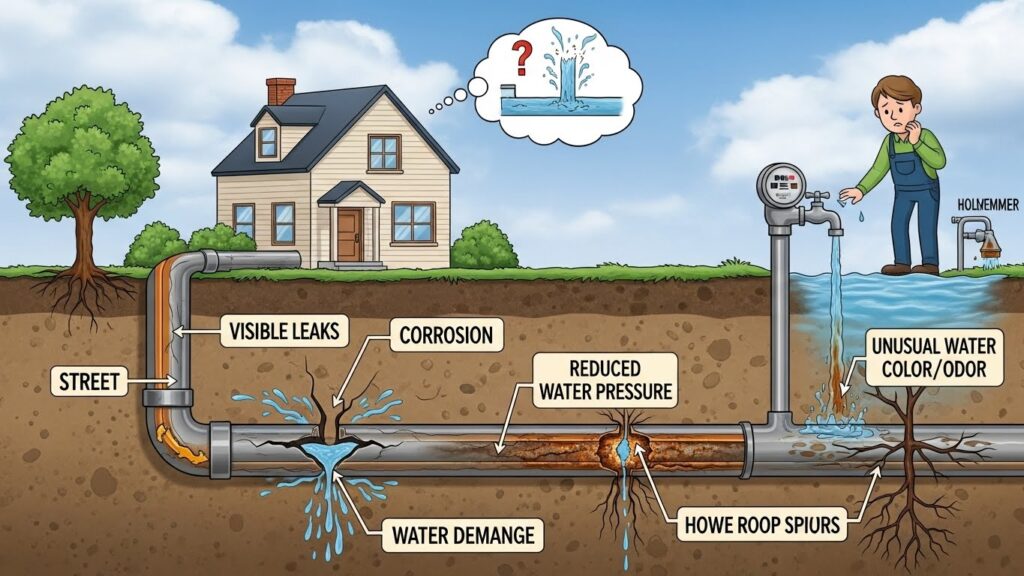
Having a functioning water line is essential for daily life, but as these vital pipes age, they can become less reliable. You may notice several warning signs before a complete failure occurs. An unexplained increase in your water bills—without any notable jump in usage—often indicates a hidden leak somewhere in the line. If left unchecked, even a small leak can lead to significant water loss and property damage.
Another telltale symptom is diminished water pressure throughout your home, which can result from leaks, blockages, or advanced pipe deterioration. Discolored, brown, or rusty water from your faucets indicates corrosion inside the pipes, which may compromise both the quality and safety of your water supply. If you notice unusually wet or soggy patches in your yard, especially during dry weather, it’s a strong indication of an underground water line leak. Uncommon sounds, such as hissing, bubbling, or gurgling, that occur when you use your fixtures may also indicate air intrusion or leaks along the pipe.
For homeowners needing expert help in identifying these issues, Denver Sewer and Water repipe specialists offer comprehensive water line inspection and replacement services in Denver. As a respected authority in the Denver metro area, their team specializes in full-service water line repiping, using advanced diagnostic tools and minimally invasive methods. By providing service to Denver and surrounding communities, Denver Sewer & Water stands out for its reliability, prompt service, and customer-first approach, making it a trusted partner for all water line concerns.
Assessing the Age and Material of Your Water Line
The longevity of a water line depends significantly on the materials used in its construction. Copper pipes typically last about 50 years and are prized for their durability and resistance to bacterial contamination. PVC pipes are also popular, usually serving homes for 25 to 40 years while being immune to rust and less prone to mineral buildup. Galvanized steel pipes, on the other hand, are susceptible to internal corrosion and typically last between 20 and 50 years. If you know your home’s plumbing is original, and your property is over 50 years old, your water line could be at or approaching the end of its useful life.
Regularly reviewing the material and installation date of your water line helps you anticipate replacement needs before an emergency arises. Cities with older infrastructure are particularly prone to experiencing water line failures due to outdated pipes. The Environmental Protection Agency provides guidance on aging water infrastructure, which can be informative for concerned homeowners.
Environmental Factors Affecting Water Lines
The condition of your water line is also influenced by its surrounding environment. The proximity of large trees can pose a hazard, as their roots naturally seek out moisture, infiltrating and potentially damaging underground pipes. Root intrusion can lead to blockages or even ruptures that require extensive repairs. Cold climates present their own risks: repeated freeze-thaw cycles cause pipes to expand and contract, which, over time, weakens the pipe material and may cause cracks or bursts—especially in inadequately insulated lines.
Seasonal changes and unexpected cold snaps are notorious culprits for water line emergencies. Homeowners in regions with severe winters should proactively insulate exposed pipes and work with professionals to mitigate these vulnerabilities.
When to Repair vs. Replace
Deciding whether to repair or entirely replace your water line hinges on the extent of the damage. Isolated leaks or minor corrosion may be resolved with targeted repairs, but lines riddled with multiple problem areas, extensive corrosion, or recurrent leaks suggest it’s time for a full replacement. Repeated patch jobs can become increasingly costly over time and fail to address the underlying causes, thereby increasing the risk of a sudden and disruptive failure.
If your home has required frequent water line repairs or if the pipes show widespread signs of aging, investing in a new water line can restore water quality, reliability, and long-term peace of mind.
Professional Assessment and Replacement Process
Accurately diagnosing water line problems requires expertise and the right equipment. Licensed plumbers can use video pipe inspection systems to visually assess the integrity of your underground pipes without the need for major excavation. This technology identifies problem areas, enabling the provision of precise recommendations.
Should you need a replacement, methods like trenchless water line replacement are now available, letting professionals install new pipes without tearing up your landscaping or driveway. These techniques dramatically reduce disruption to your home, making repairs faster and less stressful. Choosing experienced specialists ensures the work is up to code and that warranties protect your investment.
Preventive Measures and Regular Maintenance
Routine maintenance is the most effective way to extend the life of your water line. Annual inspections, promptly fixing minor leaks, and insulating pipes in cold-prone areas all make a significant difference. Stay proactive—addressing issues early can mean the difference between a planned replacement and an emergency breakdown. Keeping accurate records of past plumbing repairs also provides insight into when a replacement might be needed in the future.
Staying vigilant and maintaining an ongoing relationship with your local water line professionals ensures you’re never caught off guard by a significant water line issue.
Conclusion
Recognizing the signs of water line failure and acting promptly protects your home and saves you from unnecessary costs and stress. Whether you’re dealing with aging infrastructure, recurring leaks, or environmental threats, having experts on your side helps ensure your water line is reliable and your home is protected. Regular inspections, professional assessments, and preventive maintenance are your best defenses against costly repairs and unexpected water line emergencies.