
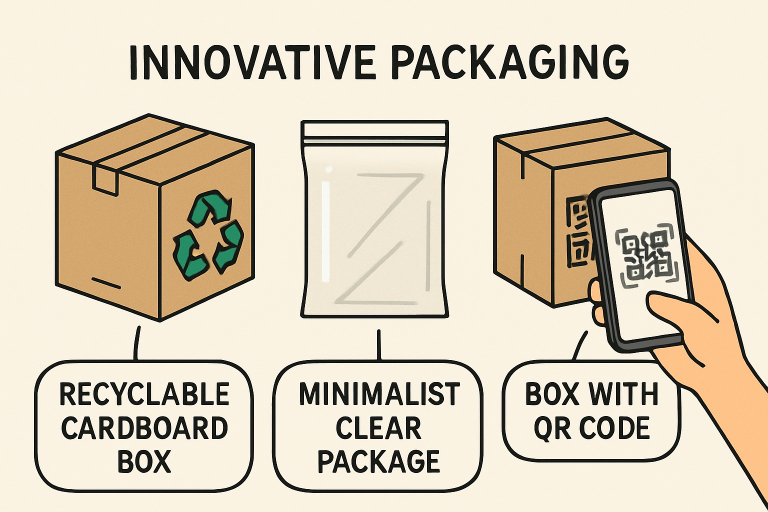
Packaging is no longer just about protecting products; it has evolved into a field that shapes consumer perceptions, promotes sustainability, and leverages cutting-edge technology. As consumers become more eco-aware and digitally connected, brands must pivot swiftly to stay ahead. Leading-edge companies like NXT Level Packaging are at the forefront, helping businesses reimagine packaging to align with modern values of environmental consciousness, digital engagement, and seamless consumer experience.
Today’s innovative packaging solutions not only ensure that products are protected and visually appealing but also create memorable experiences and demonstrate brand responsibility. As we move forward, staying up-to-date with these trends is essential for businesses aiming to meet consumer expectations and comply with evolving sustainability standards.
Sustainable Materials
Growing consumer demand for eco-friendly products is rapidly transforming the packaging landscape. Brands are increasingly shifting to biodegradable, compostable, and recyclable materials to shrink their carbon footprint. Innovative packaging solutions now include seaweed-based and mushroom-based packaging, both of which are renewable and decompose quickly. With governments worldwide implementing stricter regulations on single-use plastics, brands that adopt sustainable materials are poised to build trust and loyalty with environmentally conscious consumers.
For example, companies in the food industry are adopting natural fiber-based packaging and plant-based alternatives, which not only reduce waste but also support a circular economy. According to Forbes, adopting next-generation sustainable packaging is among the top strategies to attract the modern consumer.
Smart Packaging
The integration of digital technology into packaging design is revolutionizing the way consumers interact with products. Innovative packaging utilizes embedded features, including QR codes, NFC chips, and sensors, to provide added value and convenience. Shoppers can scan packaging to verify authenticity, access product information, or even receive personalized offers, creating a seamless bridge between physical products and digital experiences.
Notably, innovative packaging in the food and pharmaceutical industries can monitor freshness, temperature, and tampering, significantly enhancing safety and minimizing product waste. This technology-driven packaging helps reassure consumers while also providing valuable data to brands.
Personalized Packaging
The era of one-size-fits-all is ending. Data-driven personalized packaging strategies help brands connect with customers on a deeper level, resulting in increased loyalty and memorable unboxing experiences. From customized colors and sleeves to individualized messages, leveraging analytics allows brands to offer packaging that resonates on a personal level with their audience.
Personalization is particularly powerful for subscription boxes, gift items, and premium goods. Brands that utilize this solution report higher engagement rates and a stronger sense of connection with their customers, which can significantly impact repeat business.
Minimalist and Transparent Designs
Cluttered packaging is losing appeal as consumers increasingly crave clean, honest branding. Minimalist packaging—embracing simple lines, neutral color palettes, and clear fonts—signals a brand’s authenticity and confidence in its products. Transparent materials, such as clear window panels, allow customers to view the actual product before purchase, building trust and reinforcing quality.
According to Packaging Digest, minimalism aligns well with today’s focus on sustainability by reducing the use of inks and materials. It is particularly effective for food, beauty, and health-related products.
Interactive Packaging
Interactive elements—powered by technologies such as Augmented Reality (AR)—are transforming packaging from a passive experience into an engaging, multifaceted opportunity. Augmented reality can transform a simple box into a virtual brand ambassador, providing consumers with access to product demonstrations, behind-the-scenes content, or unique stories through a quick scan on their smartphone. This immersive approach helps products stand out and drives memorable interactions, especially among digital-native audiences.
E-commerce Optimized Packaging
With online shopping at an all-time high, brands are rethinking packaging strategies for the e-commerce environment. Packages designed specifically for shipping must be lightweight, cost-effective, tamper-evident, and durable enough to withstand transportation. At the same time, they need to deliver a positive unboxing experience, which can drive customer satisfaction and social sharing.
Innovations in this space include frustration-free packaging, compostable mailers, and return-ready boxes. These solutions reduce excess material while offering practical benefits for both businesses and consumers, minimizing environmental impact and logistical challenges alike.
AI-Influenced Packaging
Artificial Intelligence is rapidly transforming packaging design by speeding up trend forecasting, customization, and creative development. Advanced AI tools can analyze vast amounts of consumer data, uncover emerging preferences, and accurately predict purchasing behaviors in real time. This insight allows brands to refine concepts quickly, test multiple design directions, and produce prototypes with far greater efficiency. As a result, companies significantly reduce development costs and shorten product launch cycles. Beyond efficiency, AI enables highly targeted packaging that speaks directly to specific demographics and buying motivations. By adopting AI-powered solutions, businesses gain a competitive edge and deliver smarter, data-driven packaging that captures attention online and in-store.
Conclusion
Today, packaging innovation is increasingly shaped by the convergence of sustainability, advanced technology, and a strong emphasis on personalization. Consumers now expect eco-friendly materials, innovative features, and designs that reflect their individual preferences and values. Brands that embrace these evolving trends can go beyond basic functionality to deliver meaningful, memorable experiences. By prioritizing responsible sourcing, efficient production methods, and data-driven customization, companies position themselves as forward-thinking and socially conscious. Staying agile and informed about emerging packaging technologies enables brands to adapt quickly to market changes, minimize environmental impact, and maintain their relevance. Ultimately, innovative packaging has become a strategic asset for differentiation, building trust, and achieving long-term success.