
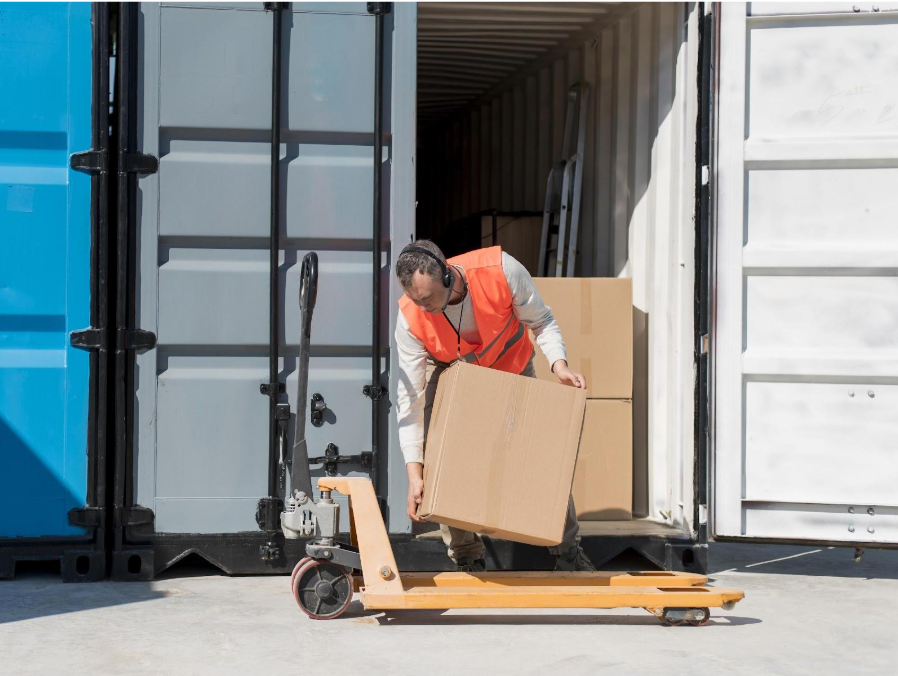
If you manage international shipments, you already know that container stuffing isn’t just “another step” in the workflow. The way you load a container influences freight safety, operational costs, and the reliability your customers expect. A single loading error can ripple from the warehouse floor all the way to a claims dispute months later.
Container loading affects real money. Global cargo damage costs reach tens of billions each year, and most issues stem from uneven distribution, poor securing, or incorrect declarations. For many companies, better loading discipline reduces damage incidents by double-digit percentages.
This guide walks you through the mistakes, the fixes, and the modern tools reshaping how teams approach how to load a container.
The Costly Mistakes Companies Still Make
Even experienced teams fall into predictable traps.
1. Uneven Weight Distribution
Load a 28-ton container with mass on one side, and you create tipping risks, structural stress, and unpredictable braking. Shifting cargo leads to delays, claims, or worse.
2. Poor Securing and Void Management
Unfilled gaps act like accelerators. In rough transport conditions, loose items gain momentum and damage nearby freight. One badly braced pallet can ruin an entire shipment.
3. Misdeclared Weights
A 27-ton container declared as 17 tons may be stacked incorrectly on a vessel, increasing collapse risk and triggering fines.
These mistakes come from rushing or relying on outdated rules of thumb.
Turning Chaos Into Control: How Professionals Load a Container
Build the Foundation
Place heavy goods at the bottom and spread weight along the floor. Even distribution keeps the load stable across transport modes.
Lock Everything in Place
Before sealing the doors, check that voids are filled, straps are tensioned, and fragile zones are protected. Measuring gaps—not guessing—avoids shifting loads.
Follow a Layer-by-Layer Sequence
- Heavy items first
- Horizontal layers
- Fragile items on top or on pallets
Use Tools Instead of Guesswork
Digital planning tools show exactly how many items fit and where they should be placed for safe and compliant loading.
Tip: EasyCargo’s official resource provides a detailed walkthrough of modern load-planning methods.
Clear labeling on all sides ensures proper handling throughout the chain.
Container Loading Best Practices Checklist
| Task | Why It Matters | How to Do It Correctly |
| Weight distribution | Prevents tipping & structural stress | Spread heavy goods evenly along the floor |
| Void management | Reduces dynamic impact | Use dunnage bags or wooden blocking |
| Layering | Improves stability | Build horizontal, brick-like layers |
| Securing | Prevents load shift | Lashing straps + braces |
| Labeling | Ensures proper handling | Mark fragile goods on all sides |
From Manual Loading to Intelligent Planning
Modern software increases usable space by 5–15% and accelerates loading by visualizing the ideal layout. AI tools push utilization to 85–95%, far above the typical 60–75% achieved manually. Some systems even load a full 40-ft container in minutes, reducing labor time and damage.
IoT-enabled smart containers add real-time monitoring of shocks, temperature, and humidity, which is crucial for sensitive cargo.
Technology turns container stuffing from guesswork into a measurable, optimizable process.
Conclusion: Treat Container Stuffing as a Strategic Capability
Strong loading practices reduce claims, tighten schedules, and protect margins. Even distribution, proper securing, and structured layering address most risk factors. Digital tools multiply these gains by giving planners accuracy and visibility.
If container loading is part of your business, now is the time to treat it as a strategic capability. Your next shipment can be safer and more profitable simply by upgrading the way you load a container.