
Full mouth dental implants are changing the lives of many who struggle with extensive tooth loss. Rather than relying on traditional dentures that can shift, irritate gums, or fail to provide stability, these innovative procedures offer a secure, lasting, and natural-looking replacement for missing teeth. For those seeking to reclaim both their smile and oral health, full mouth dental implants Louisville KY provide a reliable solution that enhances confidence and functionality.
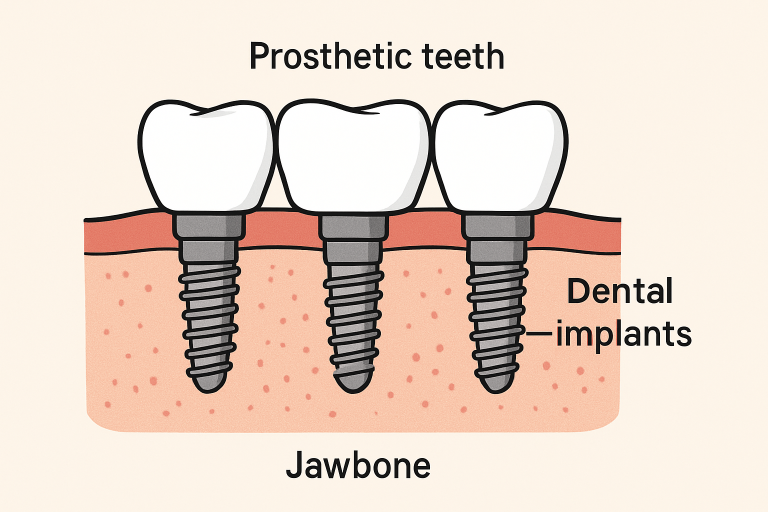
The process involves placing multiple titanium implants to anchor a full set of prosthetic teeth, providing a foundation that feels and works just like natural teeth. As advances in dental technology enhance the effectiveness and accessibility of these solutions, more individuals are opting for full mouth implants as an alternative to the limitations of removable dentures. This treatment is not only a restorative option but also a significant investment in long-term oral and overall health.
Dental implant-supported full arches are uniquely designed to stimulate the jawbone, preventing deterioration and preserving the facial structure. This guide will help you understand what to expect, from candidacy requirements through aftercare, so you can make an informed decision regarding your oral health.
Whether you are just beginning your research or are actively considering the procedure, understanding each step and the benefits will empower you to choose the right path to a complete, functional, and beautiful smile.
What Are Full-Mouth Dental Implants?
Full-mouth dental implants are a permanent dental restoration designed for individuals who have lost most or all of their teeth due to decay, gum disease, or trauma. The procedure involves surgically placing multiple titanium posts into the jawbone. These posts act as artificial tooth roots that anchor a full arch of prosthetic teeth. Unlike dentures, implants are fixed in the jaw, creating an unparalleled level of stability and comfort that functions much like natural teeth.
Most full-mouth implant solutions rely on four to eight implants per arch to securely anchor the prosthetic teeth. This approach eliminates the slipping and discomfort often associated with removable dentures, allowing you to eat, speak, and smile with confidence.
Benefits of Full Mouth Dental Implants
Patients choosing full-mouth dental implants experience significant improvements in functionality and self-esteem. Key benefits include enhanced oral function, restoring 80-90% of natural bite strength, and allowing enjoyment of favorite foods without restrictions. The natural appearance of implants closely mimics real teeth, preserving gums and jawbone for facial harmony. Additionally, implants stimulate the jawbone, preventing bone loss and facial sagging that can occur after tooth loss. Lastly, with proper maintenance, dental implants can last for decades or even a lifetime, representing a valuable investment in oral health.
The Procedure
Getting full-mouth dental implants is a multi-step process that requires several months. It begins with a consultation and planning phase, during which a thorough dental examination and 3D imaging are conducted to assess the bone structure and placement. The dentist reviews the patient’s medical history and discusses treatment options. The next step involves the surgical placement of titanium implants into the jawbone under anesthesia, with expected swelling and discomfort that usually resolves in a few days. During the healing period, lasting three to six months, osseointegration occurs as the implants fuse with the jawbone, providing a solid foundation for new teeth. After this healing phase, abutments, which are small connector posts, are affixed to the implants. Finally, a custom-made full arch of teeth is securely attached to the abutments, completing the smile restoration.
Candidacy and Considerations
Dental implants serve as a viable solution for individuals suffering from significant tooth loss; however, several factors can influence eligibility for this procedure. Firstly, a patient’s overall health is crucial, as chronic conditions like uncontrolled diabetes or certain medications can hinder the healing process. Secondly, adequate bone density is essential for the stability of the implants; thus, those with substantial bone loss might require a bone graft procedure before implantation. Ultimately, maintaining good oral hygiene and attending regular dental check-ups is crucial for the success of dental implants. Smokers and those with persistent gum disease could face increased risks for complications.
Aftercare and Maintenance
Diligent aftercare practices have a significant impact on the long-term success of dental implants. Key aspects include maintaining oral hygiene by brushing and flossing prosthetic teeth, as well as focusing on gum health to prevent infections. Routine dental check-ups and professional cleanings are essential for monitoring the health of the implants and the surrounding tissue. Additionally, it is advised to prevent damage by avoiding hard objects and quitting smoking, which can lower the risk of implant failure.
Cost and Insurance
Full mouth dental implants are a significant investment. The cost varies depending on the materials used, the number of implants required, geographic location, and the need for additional procedures such as bone grafting. While dental insurance often provides limited coverage for implants, many dental offices offer financing plans to make the procedure more accessible. Speak with both your provider and your insurance company to fully understand your options and the overall cost.
Alternatives to Full Mouth Dental Implants
Patients considering full mouth implants may not always be suitable candidates, prompting some to explore more cost-effective alternatives. These alternatives include traditional dentures, which are removable and designed to fit over the gums; however, they often lack stability and can contribute to accelerated bone loss. Another option is partial dentures, intended for patients who have lost some teeth but still possess healthy teeth that provide necessary support. Additionally, dental bridges serve as fixed prosthetics that utilize adjacent teeth for stability and are suitable for individuals who are missing only a portion of their teeth. Each solution presents its benefits and drawbacks, highlighting the importance of personalized assessment in dental care.
Conclusion
Full-mouth dental implants represent a life-changing opportunity for individuals living with significant tooth loss, offering long-term benefits in aesthetics, function, and overall health. If you are considering this transformative solution, consult a qualified dental professional to assess your needs and determine if dental implants are right for you. With careful planning and maintenance, you can look forward to years of confident smiles and comfortable eating.