Have you ever looked in the mirror, caught a glimpse of yourself on Zoom, and thought, “When did I start looking this tired?” If so, you’re not alone. In Charlotte and across the country, more people are turning to aesthetic treatments—not out of vanity, but as part of a bigger conversation about self-care. The rise in interest speaks volumes about how we define wellness in today’s image-conscious, stress-filled world.
Self-Care Isn’t Just Bubble Baths Anymore
Over the past decade, “self-care” has grown from a niche wellness trend to a billion-dollar industry. It’s no longer limited to face masks, spa days, or journaling with herbal tea nearby. Today’s self-care often includes investments in mental, emotional, and yes—physical appearance. Social media has played a huge role in shifting this landscape. Between influencers normalizing injectables and TikTok users sharing cosmetic journeys, the stigma surrounding aesthetic surgery has started to erode.
This doesn’t mean people are trying to erase who they are. Quite the opposite. Many are seeking enhancements that help them look more like how they feel—energized, confident, and in control. It’s less about chasing impossible beauty standards and more about aligning outer appearance with inner well-being.
The Emotional Weight of “Looking Tired”
We often underestimate how much physical appearance affects emotional energy. When someone feels like they constantly look worn out, even after a full night’s sleep, it starts to affect their mood and interactions. For many people in the area, Aesthetic Surgery of Charlotte steps in as part of a broader wellness plan.
Rather than promoting drastic transformations, practices like this one emphasize subtle changes—refreshing eyelids, tightening sagging skin, or smoothing wrinkles that seem to deepen every time we laugh. These procedures aren’t just cosmetic; they can be confidence-boosting, life-enhancing choices that reduce the mental drain of self-consciousness.
And let’s be honest: when you spend less time overthinking how you look on camera or in photos, you have more energy to focus on things that truly matter. That’s the kind of return on investment self-care should aim for.
Shifting the Conversation Around “Fixing” Yourself
The cultural narrative around cosmetic surgery used to scream insecurity. “If you loved yourself, you wouldn’t change yourself,” was a common line. But that logic feels outdated in an era when personal agency is everything. Today, aesthetic surgery is reframed as an empowered decision—a proactive way to improve quality of life.
It’s no longer about fixing flaws. It’s about fine-tuning the features that affect how you move through the world. That tiny scar that’s always bothered you? The chin that vanishes on video calls? Adjusting those details isn’t shallow. It’s maintenance. Just like updating your wardrobe or seeing a therapist.
Ironically, this shift is happening in a world that encourages radical self-acceptance—while also applying a dozen filters on Instagram stories. Somewhere in the middle is a healthy middle ground: owning the right to enhance your appearance, without apologizing for it.
Recovery as Reflection, Not a Setback
There’s something poetic about the downtime that follows aesthetic surgery. It forces people to slow down—no multitasking, no over-scheduling, no scrambling to do everything at once. In many ways, it becomes a pause button. And that’s rare in modern life.
For clients who’ve packed their calendars with yoga, work meetings, and meal prepping, recovery becomes an invitation to do less and listen more—to their bodies, emotions, and needs. It’s during these slow days that many people find clarity about what’s worth their energy and what’s not. Surprisingly, healing from surgery can become a meditative process in its own right.
That kind of reset feels very aligned with holistic self-care: mind, body, and spirit working in harmony, even when bandaged up.
It’s Not All Nip and Tuck—Technology Has Changed the Game
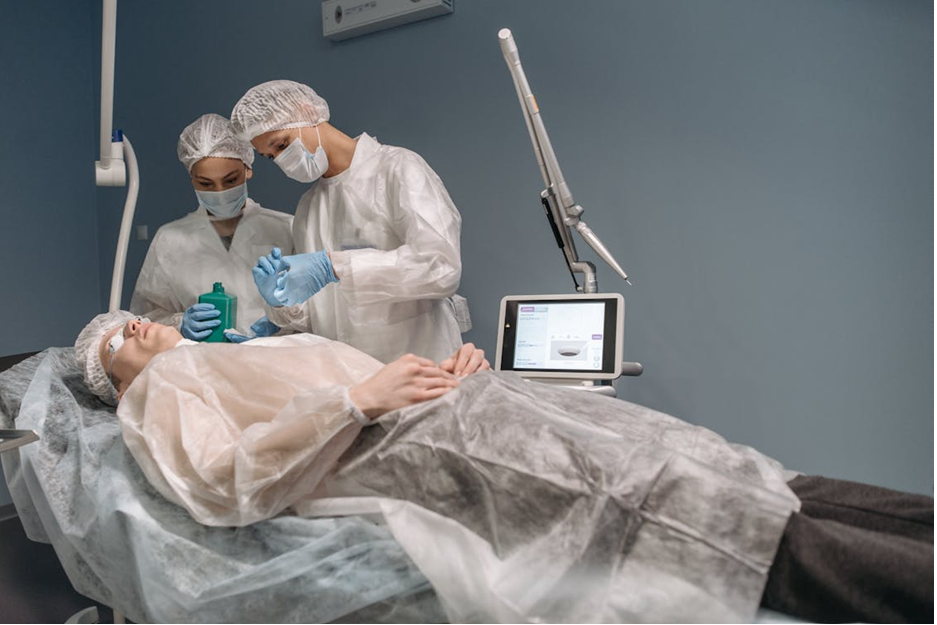
The phrase “aesthetic surgery” might bring to mind dramatic before-and-after photos, but the reality is often far more subtle thanks to today’s technology. Non-invasive treatments like laser therapy, microneedling, or dermal fillers are becoming common first steps for people exploring cosmetic enhancements. These are low-commitment, high-impact options that blend seamlessly into a lifestyle centered on wellness.
These tools also mean that aesthetic care isn’t reserved for celebrities or the ultra-wealthy. More professionals, parents, and even retirees are booking consultations and seeing real results without needing to drastically alter their routines—or their faces.
The accessibility of these advancements supports the idea that appearance-based self-care can be both practical and personalized.
Inner Work Still Matters, But It Doesn’t Have to Be Alone
There’s no argument that therapy, mindfulness, and meaningful relationships are pillars of self-care. But who says physical self-improvement can’t stand beside them? Our inner world and outer world are constantly in dialogue. When one feels neglected, the other often takes the hit.
Integrating aesthetic care with emotional and mental practices isn’t a contradiction. It’s a collaboration. It acknowledges that feeling good often includes looking good—whatever that means for each individual. And choosing to enhance how you look doesn’t mean skipping the hard work of emotional growth. It means supporting it from every angle.
Self-care isn’t a checklist. It’s a lifestyle that adapts and evolves. Sometimes it looks like therapy. Sometimes it looks like a chemical peel. Sometimes it looks like both—and that’s perfectly okay.Is this conversation helpful so far?