Introduction
Workplace injuries remain a major concern across industries such as construction, manufacturing, logistics, healthcare, and warehousing. Every year, millions of workers suffer injuries that range from minor cuts to life-altering accidents. While many hazards are inherent to certain jobs, a significant number of injuries can be prevented with the correct use of Personal Protective Equipment (PPE).
PPE acts as the final barrier between workers and potential dangers, reducing both the severity and frequency of injuries. Understanding common workplace injuries and how PPE helps mitigate risks is essential for employers and employees alike.
Slips, Trips, and Falls in the Workplace
Slips, trips, and falls are among the most frequently reported workplace injuries. Wet floors, uneven surfaces, loose cables, and poor lighting all contribute to these incidents. Such accidents can result in sprains, fractures, head injuries, and long-term mobility issues. One often overlooked factor in preventing these injuries is visibility. Workers operating in busy environments, low-light areas, or near moving vehicles are at higher risk if they are not easily seen. Wearing Hi-Vis Safety Vests improves worker visibility, making it easier for equipment operators and coworkers to notice their presence and avoid collisions. When combined with slip-resistant footwear and proper housekeeping, high-visibility PPE significantly reduces fall-related incidents.
Injuries Caused by Falling Objects
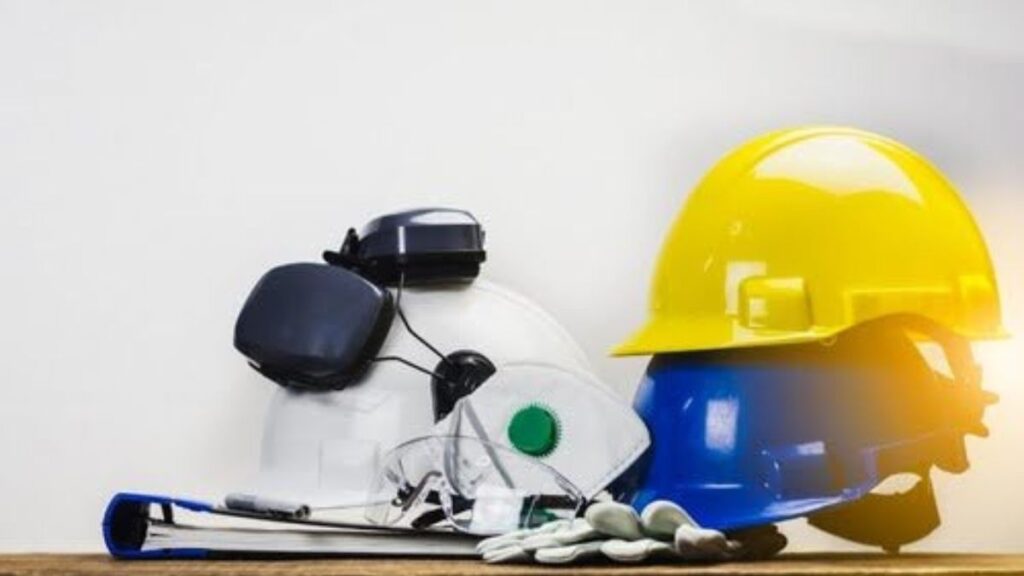
Falling objects pose a serious risk in workplaces where materials are stored at height or where overhead work is common. Construction sites, warehouses, and factories are especially prone to this hazard. Injuries from falling tools, materials, or debris often affect the head, shoulders, and upper body, leading to concussions, fractures, or even fatalities. Hard hats are the primary line of defense against head injuries, while protective gloves and steel-toe boots help minimize damage to hands and feet. In addition to wearing PPE, workers must ensure that storage systems are secure and that tools are properly handled. PPE does not eliminate the hazard, but it greatly reduces the severity of injuries when accidents occur.
Cuts, Lacerations, and Puncture Wounds
Cuts and puncture wounds are common in industries involving sharp tools, machinery, glass, or metal components. These injuries can range from superficial cuts to deep wounds that damage nerves and tendons. Without proper protection, even a minor cut can lead to infection or lost work time. Protective gloves made from cut-resistant materials are essential for workers handling sharp objects. Arm guards, protective sleeves, and reinforced clothing also help prevent injuries to exposed skin. Eye protection is equally important, as flying debris or shards can cause severe eye injuries. Proper PPE selection should be based on the specific risks present in the workplace to ensure maximum protection.
Visibility-Related Accidents in High-Risk Areas
Poor visibility is a major contributing factor to workplace accidents, particularly in environments with moving vehicles, heavy machinery, or low-light conditions. Workers who are not clearly visible are at greater risk of being struck or involved in collisions. Hi-Vis Reflective Jackets play a crucial role in improving visibility by reflecting light and making workers noticeable from a distance. This is especially important during night shifts, in warehouses, or on roadside work sites. High-visibility PPE helps drivers and equipment operators identify workers quickly, allowing them to react in time. When combined with proper training and traffic management plans, reflective PPE significantly reduces the risk of visibility-related injuries.
Respiratory and Chemical Exposure Injuries
Exposure to harmful chemicals, dust, fumes, and airborne particles can cause both short-term and long-term health problems. Workers in laboratories, manufacturing plants, and construction sites often face risks such as respiratory irritation, chemical burns, and chronic lung diseases. Respiratory PPE, including masks and respirators, is essential for filtering out hazardous substances. Protective clothing, goggles, and face shields help prevent chemical splashes from contacting the skin or eyes. Employers must ensure that workers are trained to use PPE correctly and that equipment is properly maintained. Effective respiratory protection not only prevents immediate injuries but also safeguards long-term health.
Musculoskeletal Injuries and Strain Prevention
Musculoskeletal injuries result from repetitive motions, heavy lifting, awkward postures, and prolonged physical strain. These injuries often affect the back, shoulders, wrists, and knees, leading to chronic pain and reduced productivity. While PPE cannot eliminate all ergonomic risks, it plays an important supporting role. Back support belts, knee pads, and cushioned footwear help reduce strain on joints and muscles. Anti-vibration gloves are useful for workers operating power tools, as they minimize hand and arm fatigue. When PPE is combined with ergonomic training and proper work practices, the risk of musculoskeletal injuries can be significantly reduced.
Conclusion
Workplace injuries can have serious consequences for both employees and employers, including lost productivity, medical expenses, and long-term health issues. Many of the most common injuries—such as falls, cuts, impact injuries, and exposure-related illnesses—are preventable with the correct use of PPE. High-visibility gear, protective clothing, head protection, respiratory equipment, and ergonomic supports all play vital roles in creating a safer work environment. By identifying workplace hazards and ensuring that appropriate PPE is consistently used, organizations can protect their workforce and promote a strong culture of safety.