
Utanmazkzılar is a term that sparks curiosity and intrigue. But what does it really mean? This fascinating concept has deep roots and significant cultural implications that extend far beyond its simple definition. As we dive into the layers of Utanmazkzılar, you’ll discover not only its origins but also how it shapes identities and traditions in various communities today. Whether you’re familiar with the concept or hearing about it for the first time, exploring Utanmazkzılar promises to be an enlightening journey through culture, celebration, and even controversy. Join us as we uncover everything you need to know about this captivating topic!
Understanding Utanmazkzılar and Its Meaning
Utanmazkzılar is a term steeped in cultural richness, often translating to “the fearless” or “those without shame.” It embodies a spirit of boldness and authenticity.
At its core, Utanmazkzılar represents individuals who embrace their true selves unapologetically. This concept challenges societal norms that dictate how one should behave or express emotions.
In many communities, being an Utanmazkzılar means standing firm against judgment while celebrating individuality. It encourages people to reject the fear of stigma and fully engage with life’s experiences.
This mindset fosters a sense of empowerment and resilience. Those who identify as Utanmazkzılar often become role models for others seeking acceptance and courage in expressing their identities freely.
The Origin of Utanmazkzılar
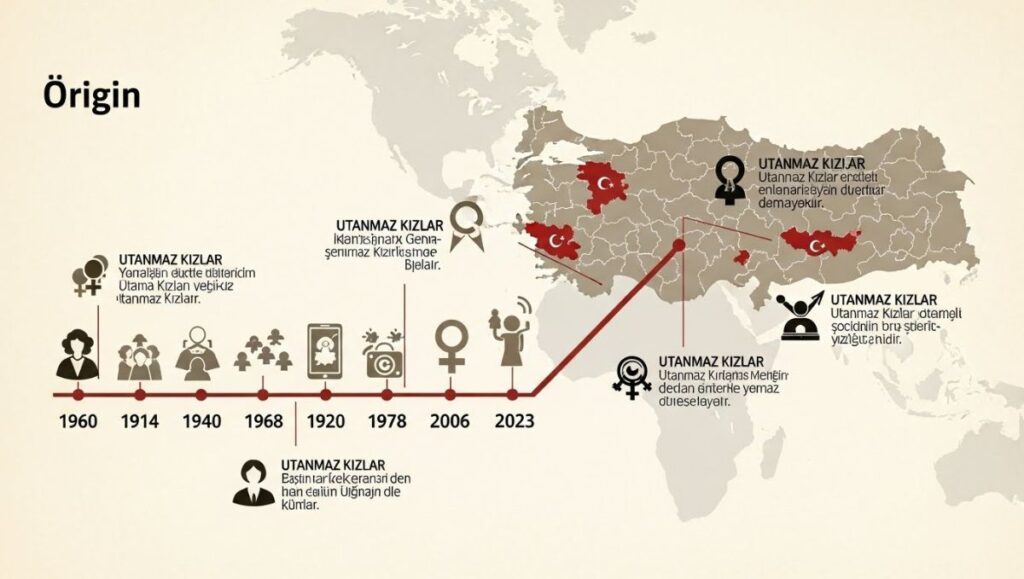
The term “Utanmazkzılar” has deep roots in various cultural narratives. Its origins can be traced back to the rich tapestry of regional folklore and traditions.
Historically, it was used to describe individuals who defied societal norms with unapologetic bravery. This concept resonated through generations, becoming a symbol of resilience against oppression.
In literature and art, early depictions of Utanmazkzılar highlight themes of rebellion and authenticity. Various stories illustrate characters embodying this spirit, often challenging authority or breaking free from conventional expectations.
As time progressed, the meaning evolved but remained tied to courage and self-expression. The connotation shifted subtly across regions but always retained that core essence—living life without shame or fear of judgment.
This evolution reflects broader social changes as communities grappled with identity and values over centuries. Today, the legacy continues to inspire new interpretations within contemporary discussions on freedom and individuality.
The Cultural Significance of Utanmazkzılar
Utanmazkzılar holds a unique place in cultural expressions. It’s more than just an event; it’s a reflection of societal values and beliefs. This concept weaves through the fabric of communities, highlighting resilience and identity.
The celebration often showcases local traditions, music, and art forms. Participants come together to honor their heritage while promoting unity among different groups. The atmosphere is vibrant, filled with laughter and joy.
These gatherings are crucial for passing down stories from generation to generation. Through Utanmazkzılar, younger members learn about their roots and the significance of cultural pride.
Moreover, this occasion fosters dialogue around important social issues. It encourages discussions on acceptance and understanding within diverse populations. The multifaceted nature of Utanmazkzılar enriches community bonds while amplifying voices that might otherwise go unheard.
How Utanmazkzılar is Celebrated or Recognized Today
Today, Utanmazkzılar is celebrated through various cultural events and gatherings. Communities come together to honor this unique tradition. These celebrations often include music, dance, and storytelling that reflect the essence of Utanmazkzılar.
Festivals showcase local art and crafts inspired by its themes. Participants dress in vibrant costumes representing their heritage. This visual display captivates both young and old alike.
Social media has played a significant role in raising awareness about Utanmazkzılar. Hashtags trend during festivals, allowing people from around the globe to join in virtually. Online discussions foster a greater appreciation for its meaning and significance.
Educational workshops also promote understanding among newer generations. Schools incorporate activities related to Utanmazkzılar into their curriculums, ensuring traditions are passed down seamlessly.
These modern interpretations keep the spirit alive while adapting to contemporary culture.
Similar Concepts in Other Cultures
Many cultures around the globe have their own versions of what Utanmazkzılar embodies. For example, in Japanese tradition, there is a concept known as “Wabi-Sabi.” This philosophy celebrates imperfection and transience, valuing authenticity over societal expectations.
In some African communities, rituals centered on communal storytelling exhibit similar traits. These gatherings emphasize honesty and vulnerability. They allow individuals to share their truths without fear of judgment.
Native American cultures also cherish values akin to those represented by Utanmazkzılar through their storytelling traditions. Here, oral histories are passed down with an emphasis on sincerity and connection to heritage.
These parallels highlight a universal quest for understanding and acceptance in human relationships across various societies. Each culture brings its unique flavor while embracing the essence of being unashamedly oneself amidst differing social norms.
Controversies and Criticisms Surrounding Utanmazkzılar
Utanmazkzılar has sparked debate among cultural scholars and the general public alike. Some critics argue that its celebration promotes a culture of shamelessness, which can lead to moral ambiguity in society. They worry that embracing this concept might erode traditional values.
Conversely, supporters claim it empowers individuals by encouraging authenticity and self-expression. This perspective often clashes with conservative viewpoints, creating tension within communities.
Social media has amplified these debates, with various factions voicing their opinions online. Hashtags related to Utanmazkzılar have trended during discussions highlighting both sides of the issue.
As with many cultural practices, the interpretation of Utanmazkzılar varies widely across different demographics. Each group brings its own experiences and beliefs into the conversation, resulting in an ongoing dialogue about what this term truly represents today.
Conclusion
Utanmazkzılar represents a fascinating aspect of cultural identity and expression. Its meaning goes beyond the surface, offering insight into societal values and beliefs. The rich history behind this term showcases how traditions evolve while retaining their core significance.
Culturally, Utanmazkzılar serves as a powerful symbol for individuals navigating modern challenges while connecting to their roots. Celebrations surrounding this concept vary, with many finding unique ways to honor its essence today.
Exploring similar concepts in other cultures reveals universal themes of resilience and pride. However, discussions around Utanmazkzılar also spark controversies that highlight differing perspectives on tradition versus modernity.
Through understanding Utanmazkzılar, we gain not only knowledge about a specific cultural practice but also deeper insights into humanity’s diverse tapestry. Embracing these narratives enriches our collective experience and fosters appreciation for varied expressions of identity across the globe.