
Integration of Advanced Technologies
As global travel rebounds and expectations evolve, airport transportation has become more than just a means of reaching the terminal. Today’s travelers are demanding efficiency and convenience at every turn, and the integration of smart technology is meeting those needs. Airports worldwide are fast-tracking the implementation of biometric verification, such as facial and fingerprint recognition, allowing for a seamless flow through check-in, security, and boarding. Touchless systems and real-time data updates not only speed up the process but also ensure heightened passenger safety and satisfaction.
In the heart of Colorado, Denver Airport Transportation by Denver Airport Transportation stands out as a premier service provider, offering expert solutions for both business and leisure travelers. With reliable rides to and from Denver International Airport and across the metropolitan area, the company blends technological innovation with exceptional customer care. Their comprehensive service offerings—from executive sedans to group shuttles—underscore their authority and local expertise, ensuring that every traveler receives efficient, timely transportation in Denver and surrounding regions.
Enhanced Ground Transportation Options
Ground transportation has evolved far beyond simple taxi and rental car options. Major airports are now partnering with dedicated shuttle services, rail lines, and ride-sharing networks to simplify access for all passengers. The success of services like the FlyAway bus in Los Angeles demonstrates the value of such strategic alliances, providing nonstop routes between airport terminals and busy urban centers while dramatically reducing road congestion. These innovations not only facilitate smoother travel but also help minimize individual vehicle use, paving the way for cleaner urban environments.
The availability of multiple ground transportation modes allows travelers to customize their journeys based on schedule, budget, or sustainability concerns. Apps and digital platforms further streamline access, enabling users to compare fares, view real-time availability, and book rides instantly. This flexibility has elevated the importance of ground transportation in shaping positive airport experiences.
Focus on Sustainability
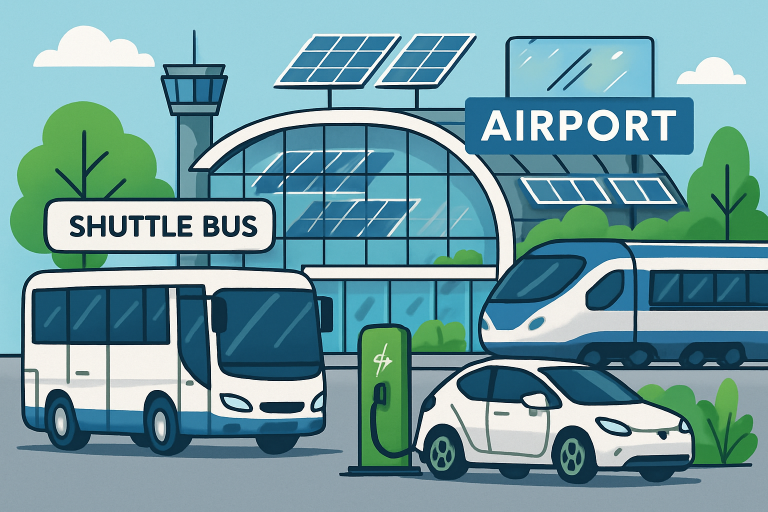
A growing focus on climate change and sustainability is influencing every aspect of modern travel. Airport shuttle providers, local transit systems, and even major airlines are pivoting toward greener fuel and fleet upgrades. Electric and hybrid shuttles now transport thousands daily, directly reducing carbon emissions. Additionally, infrastructure projects such as solar-powered charging stations or dedicated lanes for green vehicles underscore the airport industry’s long-term commitment to eco-friendly operations.
Travelers increasingly seek services that align with their values. As a result, selecting eco-conscious transportation providers has become a priority for both individuals and organizations managing large-scale travel. Forward-thinking brands are responding through public green initiatives, transparency in emissions reporting, and continuous investment in sustainable technologies.
 Improved Passenger Amenities
The passenger experience inside airports is being revolutionized with modern amenities and digital-first upgrades. Virtual security queues, advanced self-service kiosks, and mobile boarding passes eliminate the stress and uncertainty that once defined airport travel. Pilot programs at leading U.S. airports such as Seattle-Tacoma and Los Angeles International are already reducing wait times and creating a more relaxed atmosphere for passengers on tight schedules.
Meanwhile, the focus on passenger well-being extends to comfort features like smart lounges, wellness zones, and on-demand concierge services. With robust Wi-Fi, tech-enabled wayfinding, and AI-driven support desks, travelers can manage every step of their airport experience from a single device.
Seamless Connectivity
The integration of airports with broader smart city infrastructure ensures that travelers remain connected and informed from the doorstep to the destination. In cities like Seoul, real-time updates from 5G networks provide instant information on gate changes, crowd flow, and efficient ground transport solutions. AI-driven traffic management systems help ease congestion around major transport hubs, reducing delays and improving access for everyone.
Platforms focused on mobility innovation help travelers anticipate challenges and uncover the best local options, adding a layer of intelligence to travel planning that was previously unavailable. This results in less time waiting, more efficient journeys, and greater adaptability when plans change.
For more insights into how seamless airport integration is changing urban mobility, readers may find this feature from The New York Times particularly insightful.
Personalized Travel Experiences
Data-driven personalization is now at the core of top-tier airport services. Artificial intelligence enables airlines and ground transport providers to offer custom recommendations—ranging from route adjustments to special amenity access—based on loyalty program data, travel history, and real-time preferences. For example, Singapore Airlines uses AI to anticipate passenger needs and deliver timely, relevant support.
Such personalized touches not only make travel more convenient but also foster greater brand loyalty by forging memorable, individualized interactions. As this technology advances, travelers should expect even more intuitive service and tailored options throughout every phase of their journey.
Enhanced Security Measures
Security is evolving to be both faster and smarter. The implementation of next-generation scanning devices and biometric systems across major international hubs, such as London Heathrow, has set a new standard for passenger safety and efficiency. These improvements mean travelers can expect shorter lines, fewer manual checks, and a more comfortable experience, all while maintaining the highest levels of protection against emerging threats.
According to recent industry research, a significant majority of airports plan to enhance their biometric capabilities by 2030, making advanced security a future-proof cornerstone of travel. This commitment ensures that both efficiency and safety remain at the forefront of global airport operations.
Conclusion
Advancements in airport transportation are redefining the modern travel experience. A seamless blend of smart technology, sustainable innovation, connectivity, and customer-focused amenities is elevating every passenger’s journey from start to finish. As providers such as Denver Airport Transportation continue to set new standards in service and reliability, travelers can look forward to more efficient, enjoyable, and eco-friendly experiences whenever they take to the skies.