
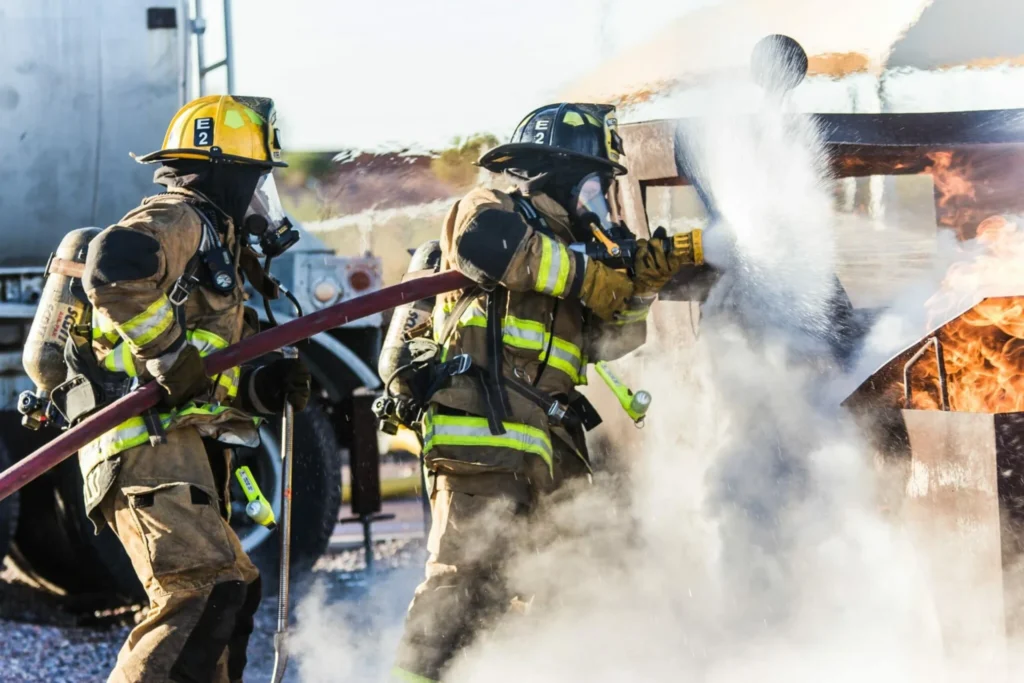
First responders confront life and death challenges every single day. Though they may keep a brave and calm demeanor in front of the public, they are constantly dealing with death, tragedy, and trauma in the workplace. All of these experiences take a huge toll on these heroes in a very silent and damaging way. Oftentimes, people begin looking for PTSD Treatment for First Responders and come to articles like this one for help.
EMTs, Firefighters, and Police Officers, and even Dispatchers and Officers in the Correctional System, take on other people’s life challenges and emergencies every single day, and for that, they are true heroes. However, while they may seem calm and composed on the outside, they may actually be experiencing the trauma internally, and there might be significant emotional damage, trauma, and stress accumulation. With continued exposure to trauma over time, and with the aforementioned emotional damage, trauma, and stress exposure, the condition commonly referred to as PTSD is a very large possibility.
With this in mind, we will discuss the reasons PTSD is most prevalent in First Responders, how treatment is utilized, and how advanced and purpose-built treatment and care enable these individuals to heal and regain a sense of normal.
Understanding PTSD in First Responders
Some of the most traumatic experiences in life, such as injury, violence, and loss, are what first responders face on the job every day. Though they may spend years in training to prepare them for these emergencies, they will never be equipped to emotionally detach themselves from the crises.
PTSD, or post-traumatic stress disorder, can occur when a person experiences something too overwhelming to be processed in the mind. First responders in the line of duty may repeatedly face some of these traumatic experiences:
- Accidents resulting in death
- Physical violence
- Tragic incidents involving children or families
- Life-threatening situations
- Death of a coworker
- Injuries of extreme severity
- Situations in which the ultimate goal is to save a life
Trauma may not be seen immediately when responders push aside their emotions to concentrate on the job. Trauma can manifest in the form of symptoms. Trauma symptoms can occur years after the traumatic life event.
Common Symptoms of PTSD Among First Responders
People with PTSD deal with their trauma in different ways, but first responders deal with it in these specific ways:
- intrusive flashbacks
- avoidance
- nightmares
- being on high alert
- emotional numbing
- irritability
- restlessness
- anxiety
- feeling hopeless
These all-affect people’s performance at work and relationships in their lives.
The sooner we identify these symptoms, the sooner we can begin helping the person deal with and heal from them.
Why First Responders Often Hide Symptoms
First responders do not seek the help they need because of the probability they will freak out others, be judged, or be seen as “not up to the task.” Weakness is not perceived as an option in emergency services.
Reasons to be quiet can be:
- fear of having the reputation of being weak
- worrying about the professional repercussions
- the need to be seen as strong
- the need to keep their mouths shut
- the fear that their conversations will not be kept to themselves
It is actually strong to seek help. It is not easy to bring emotional trauma into the open and seek help with it.
Benefits of PTSD Treatment for First Responders
The improvements from PTSD Treatment for First Responders are very beneficial. Specialized personnel are available to assist the respondents in relearning skills about trauma in contraindicated circumstances.
Releasing Stored Trauma
Responders learn to process the trauma of the overwhelming memories that they have been carrying carefully and constructively.
Understanding Triggers
Responders identify and learn what circumstances, sounds, or reminders exacerbate their symptoms to help them navigate spaces more carefully.
Building Healthier Coping Skills
Therapists can teach anxiety diminishing, grounding, and emotional control thought regulation skills and emotional control strategies that help to cope more efficiently.
Improving Sleep and Daily Functioning
PTSD disrupts sleep; however, treatment restores sleep within healthy parameters, which results in improved mood and energy.
Reclaiming a Sense of Safety
Responders learn to feel secure without remaining on high alert and can allow for their sense of safety to be reclaimed.
Strengthening Relationships
Responders improve their emotional communication at work and at home as they progress on their trauma.
Therapeutic Approaches That Support First Responders
Are there types of PTSD that are evidence-based and of higher accuracy, but also are effective?
Cognitive Behavioral Therapy (CBT)
The negative thought patterns of respondents are recognized and then reframed.
EMDR (Eye Movement Desensitization and Reprocessing)
This is an extremely effective method to assist trauma healing as it helps the brain with the reprocessing of memories in a safe manner.
Trauma-Focused Therapy
Focuses on processing emotional and physical components related to past trauma.
Exposure Therapy
Helps people slowly and carefully face distressing reminders of trauma.
Mindfulness and Stress Reduction Strategies
Deep breathing and meditation help people be present and engaged in the moment, to help them stay calm, balanced, and focused.
These responses are shaped to the specific needs of emergency responders.
Why PTSD Requires Specialized Care for First Responders
Not all trauma is the same. First responders are repeatedly exposed to trauma and have different challenges during the recovery process.
That is why these Specialized programs are created to address:
- Specific and unique challenges of emergency involvement
- The occupational emotional culture
- Need for confidentiality
- The potential for burnout and compassion fatigue
- Trauma from repeatedly witnessing loss
Because of these facts, the responders are provided therapy that considers their job functionality and emotional investments.
Emotional Healing Through PTSD Treatment for First Responders
Healing trauma and emotional distress is the core of PTSD Treatment for First Responders. Many responders learn to suppress their emotional responses during an event to stay focused. This treatment teaches them to feel and handle their emotions in a normal, healthy way.
Rebuilding Emotional Awareness
Trauma shapes the responses of responders to recognize their reactions to trauma.
Healing Emotional Numbness
Therapists help patients recover their feelings. They learn to feel again, but this time, it won’t overwhelm them. They learn to experience their emotions in a safe, controlled environment.
Letting Go of Guilt and Self-Blame
Responders often feel outcomes beyond their control. This is a painful feeling to carry, and therapy can help ease it.
The Search for Post-Trauma Serenity
You get a sense of peace and inner balance back during the healing process.
Healing the Mind and Body Together
When PTSD is involved, both the mind and body go through it. Grounding techniques that mind the body often include:
- Mindful body scanning.
- Gentle movement.
- Breathing control.
- Routines for relieving stress.
Healing practices help reduce tension and anxiety, allowing responders to get back in touch with their bodies and ease the feeling of disconnection.
Lifestyle Habits That Support Recovery
Daily habits can enrich healing and ease symptoms of PTSD. These include:
- Finding a sleep pattern and sticking to it.
- Eating moderate portions of healthy foods.
- Drinking plenty of water.
- Getting some daily physical activity.
- Finding some time in the day to relax.
- Practicing mindfulness or meditation.
- Consuming less alcohol and caffeine.
These simple habits help improve emotional balance and inner strength.
Peer Support is Crucial
Peer support is very helpful. First responders can feel a true sense of understanding from others who face the same challenges. This is often where therapy and support groups overlap. Many responders get to know and support each other through their challenges in therapy.
Benefits include:
- Feeling less isolated
- Feeling more validated
- Coping skills
- Greater sense of belonging. This support allows responders to feel more connected to others who are also struggling.
Long-Term Strength Through PTSD Treatment for First Responders
The benefits of First Responders’ PTSD Treatments are not limited to the alleviation of symptoms. Responders also acquire positive emotional tools that empower them throughout their careers and even in their personal lives. Remaining benefits include:
Resilience
Responders can remain emotionally anchored through challenging calls.
Communication
Improved emotional awareness and understanding facilitate communication both in personal and professional settings.
Burnout
Responders are able to recognize burnout symptoms and implement protective measures before the symptoms escalate.
Decision Making
Improved mental calmness in chaotic environments allows better decision-making.
Professional Continuity
Responders can maintain stable mental health and, therefore, remain active and efficient in their roles for a longer time.
Ultimately, the most profound benefits of the First Responders’ PTSD Treatments are that responders regain their hope, sense of purpose, and peace of mind.
How Family Support Strengthens Recovery
Family support is crucial for recovery from PTSD. Families can benefit from attending therapist-led sessions together to teach their families how to:
- Communicate better
- Understand the symptoms of PTSD
- Build empathy and lessen empathy burnout
- Decrease and resolve conflicts
- Support and encourage positive behavior changes
The recovery process is more effective when families learn to support one another in their recovery journeys.
Overcoming the Fear of Seeking Help
Looking for help is a hard step for many, and the fear of being judged can be the most paralyzing.
However, just as combat injuries can be a source of trauma, so too can the emotional injuries sustained on the battlefield.
Responders need to know:
- It is always courageous to ask for help
- PTSD is highly treatable
- You’re not alone
- Your struggles are shared by many other responders
Having the will to take the first step on a personal journey is a mark of strength.
Final Thoughts
Having PTSD can hurt all parts of a first responder’s life. Fortunately, healing is possible, and rebuilding tools, self-regulation, and emotional control are all part of the healing journey. Specialized treatment can hurt at first, but it is the only way to restore mental health and confidence. For first responders looking for understanding and confidentiality, help is available from First Responders of California. They can help to provide the start of a healing journey through their supportive and trusted services.