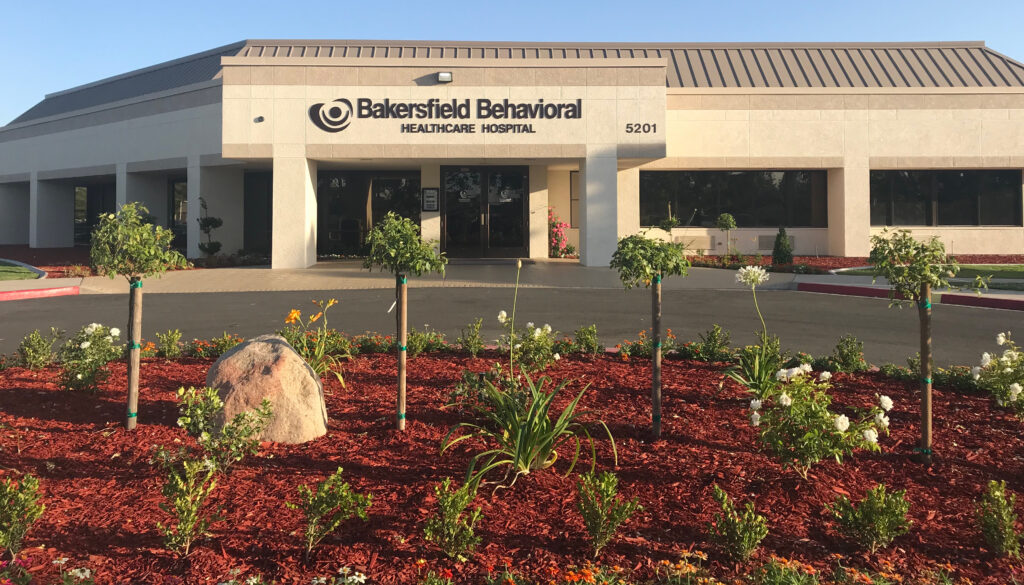
Comprehensive Care Options in Inpatient Treatment Bakersfield, CA
Overcoming an addiction or mental health problem can be more than just an issue of willpower. One will often need adequate systems, proper medical supervision, and supportive systems. This is what makes Inpatient Treatment Bakersfield, CA so crucial for so many people trying to achieve lasting recovery. Inpatient programs offer a fully supportive and safe environment for recovering individuals to concentrate on their healing without distractions, triggers, or everyday stresses.
Inpatient treatment allows individuals recovering from addiction to integrate the medical, psychological, and holistic healing and regain their life with new confidence. In the following sections, we will highlight the extensive recovery systems.
Understanding the Role of Inpatient Treatment Bakersfield, CA
In most instances, the most effective first step for someone with an addiction and a co-occurring mental health issue is an inpatient treatment setting. Inpatient Treatment Bakersfield, CA programs offer their clients customized health, psychic, and emotional support, which makes re-integrating systems and recovering from detox and rehabilitation easier.
In contrast to outpatient programs, inpatient systems offer round-the-clock supervision. Living full-time at the facility allows recovering individuals to attain the stability and consistency needed to unlearn unhealthy coping mechanisms and learn new, healthy mechanisms.
To start, every treatment plan does a complete evaluation to understand each individual’s specific needs, including their medical history, mental health issues, substance use history, and personal objectives. From that, clinicians develop a unique recovery plan incorporating different therapies, holistic practices, and life skills training.
This approach tackles recovery from every angle, encouraging not just sobriety but also emotional stability, self-awareness, and balance—all essential components for lasting recovery.
Medical and Therapeutic Care at Inpatient Treatment Bakersfield, CA
The medical aspect of Inpatient Treatment in Bakersfield, CA, serves to protect a patient’s safety during the first stage of recovery. Withdrawal symptoms during detoxification from drugs or alcohol are not just uncomfortable, but also dangerous, hence the need for medical supervision.
Inpatient treatment facilities are equipped to handle extended clinical supervision whereby trained health professionals monitor and manage the patient’s withdrawal by circumventing complications and maintaining patient comfort. The focus of the detoxifying medically assisted programs at this stage is to stabilize the patient’s body and get them ready for the next phase of therapy.
Moving on from detox, the patient partakes in intensive therapy. The focus of this part is to use evidence-based tools to implement therapy. The licensed therapists work with the patient using:
- Cognitive Behavioral Therapy (CBT): Identifying and altering self-destructive thought patterns that encourage addiction.
- Dialectical Behavior Therapy (DBT): Teaching emotional regulation, mindful awareness, and the development of healthy interpersonal relationships.
- Motivational Interviewing (MI): Facilitates self-awareness and internal motivation to sustain recovery.
- Group and Family Therapy: Improves communication, accountability, and support systems.
This type of combined medical and therapeutic integration helps individuals gain behavior self-awareness, process emotional pain, and develop relapse prevention tools.
Holistic Healing in Inpatient Treatment Bakersfield, CA
Bakersfield’s treatment centers start with medical and psychological therapies with a foundation emphasis, but many programs in Bakersfield include holistic healing to care for and nurture the mind, body, and spirit. Holistic care enhances traditional therapy by addressing emotional and spiritual needs that may be neglected.
Holistic practices typically include:
- Yoga and Meditation: Emotion regulation and mindfulness.
- Art and Music Therapy: Creative self-expression and stress relief.
- Nutritional Counseling: Healthy eating habits for recovery eating.
- Physical Fitness Programs: Health improvement through strength and stamina.
These methods help patients reconnect with themselves to find purpose beyond addiction. When combined with inpatient treatment, holistic methods provide emotional stability and a balanced approach in the healing process.
The Importance of Dual Diagnosis Treatment
When an individual is struggling with an addiction and a mental health disorder simultaneously, it makes the process of healing and recovery even more complicated. The dual diagnosis program in Inpatient Treatment, Bakersfield, CA, recognizes and treats both cases in tandem, making sure that both are treated at the same time and nothing is left unattended.
Care must be tailored for patients who have co-occurring disorders like clinical depression, anxiety disorder, PTSD, or even bipolar disorder, and who are simultaneously misusing substances. Treating only liability in these cases invites more complications, and relapse recovery or incomplete recovery is inevitable.
Co-occurring disorders are treated with a blend of psychiatric methods, like medication and behavioral therapy or psychotherapy. Mental health stabilization and caring for the addiction triggers simultaneously enhances the emotional clarity needed for the patient to attain the sobriety needed for long-lasting recovery.
In these approaches, recovery is made certain to be holistic, which touches on the patient’s overall well-being, most especially the addiction, which is the only aspect most treatments take.
Building a Strong Support Network in Recovery
An environment that is supportive is needed for one to create long-lasting recovery. The Inpatient Treatment Bakersfield, CA course of action offers an environment where one is submerged in a designated inmate unit with patients who have the same or direct similar challenges. The group therapy is where the locals are first able to connect to empathy, and mutual encouragement is where the recovering network is built.
These activities build social networks and a sense of belonging and responsibility, letting individuals know they are not alone on their journeys. Participants can also understand other people’s perspectives and learn different ways of coping.
Outside of peer support, professional staff – the therapists, case managers, and medical support team – are also mentors and guides during the recovery journey. Their constant contact makes sure emotional security is provided, and tracking progress can be done consistently.
The motivation and assurance of self-competence are retained during post-treatment recovery, even after the treatment facility is left, because of this support system.
Life Skills Development and Relapse Prevention
Inpatient treatment’s objective goes beyond teaching individuals to stop using substances. It also prepares people for life after treatment. Life skills training, which is vital to recovery, is offered in many Inpatient Treatment programs in Bakersfield, CA.
These skills include:
- Time Management and Goal Setting – Structuring a day and setting short and long-term personal goals.
- Healthy Communication – Conflict resolution and assertiveness training to improve relationships.
- Career and Financial Planning – Job readiness skills and post-treatment financial stability.
- Stress Management – Breathing, exercise, and mindfulness techniques. Preventing relapse is vital to effective inpatient care. Patients take workshops to learn how to identify and cope with triggers, and how to manage cravings and cope with high-risk situations.
This encourages patients to go back to everyday life with confidence and strength.
Aftercare and Continuing Support
Recovery is ongoing to evolve after completing inpatient care. The best Inpatient Treatment Bakersfield, CA programs understand this and support program aftercare.
The aftercare plan may consist of outpatient therapy, support groups, sober living, and check-ins with counselors. They help maintain care and support and oppose relapse by being accountable and providing emotional support.
In addition to therapy programs, aftercare encourages alumni program participation, community support, and mentorship to help clients maintain positive habits and remind them that recovery is a lifelong journey.
Involvement in aftercare programs, including therapy, support groups, and self-care, is vital to help clients maintain stability in their sober lives.
Personalized Treatment for Lasting Change
Every recovery journey is different, which is why Inpatient Treatment Bakersfield, CA gives individualized, one-on-one attention to every case. This is because individualized attention ensures that every piece of the physical and emotional social puzzle is considered.
Medical and Clinical staff determine the treatment plan by considering one’s history with addiction, mental health, and family background. This is because treatment focused on the root of addiction is much healthier and helps to heal far deeper.
Personalized care offers self-empowerment, which is vital to recovery, because it removes the elements of dependence on outside guidance to make basic choices about life and to design one’s best life.
Conclusion
The choice of Inpatient Treatment, Bakersfield, CA, is without a doubt a life and health transforming one. It is the most comprehensive, transformational, and sustainable recovery program available, treating every piece of the recovery puzzle.
Bakersfield Recovery Center offers focused assessments that guide the patient to the best personalized recovery plan, integrating all evidence-based care. Our goal is to assist every patient in rebuilding most of their life, which is accessible and free of substance abuse.
Your journey starts here in Bakersfield. It requires commitment and guidance. It all starts with a belief in transformation.