🏡 Enhance your home’s curb appeal now! Our guide on exterior paneling gives you comprehensive tips to transform your house! 🛠️
Curb Appeal in Home Valuation
Curb appeal has a direct impact on home valuation because it shapes the very first impression a buyer forms. Before anyone steps inside, the exterior tells a story about how well the home has been cared for. A fresh, appealing facade suggests that the interior is just as well-maintained, which builds trust and confidence in potential buyers. Homes with strong curb appeal often stand out in the market, attract more interest, and can sell faster at higher prices.
What Is Exterior Paneling?
Exterior paneling refers to the outer layer of material applied to the exterior walls of a building. Its primary purpose is to protect the structure from weather conditions such as rain, wind, heat, and cold. At the same time, it plays a key role in the home’s appearance by defining its style, texture, and color.
Exterior paneling comes in many forms, including wood, vinyl, metal, fiber cement, stucco, brick, and stone. Each option offers a different look and level of durability, maintenance, and insulation. Choosing the right paneling material means finding the balance between beauty, performance, and long-term value.
Basic Principles That Guide Exterior Paneling Choices
When selecting exterior paneling, several factors should guide your decision. Durability is essential because the material must withstand weather, moisture, and temperature changes. Aesthetics are equally important since the paneling defines the home’s overall look and style. Insulation performance matters as well, as good paneling can help regulate indoor temperature and reduce energy costs.
Maintenance requirements should also be carefully considered. Some materials need frequent upkeep, while others are nearly maintenance-free. Budget, climate conditions, and environmental impact round out the key principles that influence smart exterior paneling decisions.
How Curb Appeal Impacts First Impressions
First impressions are powerful, and curb appeal shapes that first impression instantly. A well-designed exterior with attractive paneling, clean lines, and coordinated colors creates a positive emotional response. Visitors feel more welcome, and buyers feel more interested. On the other hand, outdated or damaged paneling can make a property feel neglected, even if the interior is well-kept.
The Role of Curb Appeal in Home Sales Value
Curb appeal directly affects market value. Buyers often make quick judgments within moments of seeing a home. If the exterior looks fresh and inviting, they are more likely to explore further and make competitive offers. Homes with weak curb appeal may sit longer on the market or sell below their potential value. Simply upgrading exterior paneling can provide one of the highest returns on investment in home improvement.
The Psychological Impact of a Well-Maintained Exterior
A well-maintained exterior does more than impress others—it also affects the homeowner’s mindset. An attractive facade promotes pride, confidence, and comfort. It can reduce stress, enhance daily mood, and create a stronger emotional connection to the home. Living in a space that looks good from the outside often makes life on the inside feel better, too.
What Exterior Paneling Really Does
Exterior paneling serves as the outer shield of your home. It protects structural components from moisture damage, sun exposure, pests, and temperature changes. At the same time, it provides insulation that helps maintain a comfortable indoor environment. In modern construction, exterior paneling is also a major design feature that defines the home’s architectural character.
The History and Evolution of Exterior Paneling
Exterior paneling has evolved significantly over time. Early homes relied on natural materials such as wood, stone, and clay. As construction technology advanced, vinyl, metal, and composite materials entered the market. Today’s paneling options are more durable, energy-efficient, and visually diverse than ever before. This evolution reflects changing tastes, environmental awareness, and advances in manufacturing.
Common Materials Used in Exterior Paneling
The most popular exterior paneling materials include wood, vinyl, metal, fiber cement, stucco, brick, and stone. Wood offers natural beauty but requires more upkeep. Vinyl is affordable and low-maintenance. Metal delivers modern style and extreme durability. Fiber cement combines resilience with design flexibility. Stucco provides textured elegance, while brick and stone offer timeless appeal and exceptional strength.
Wood Paneling: Pros and Cons
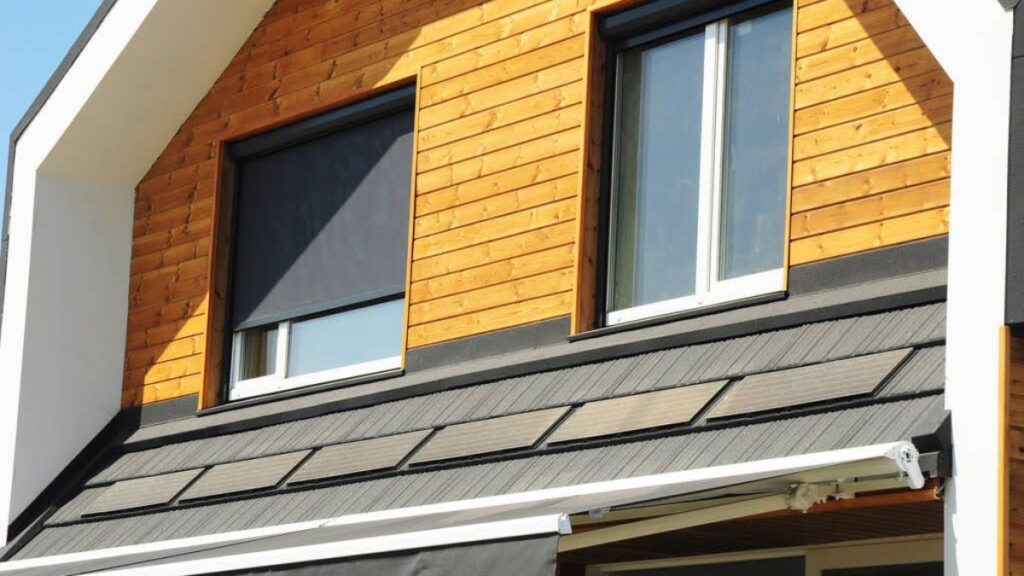
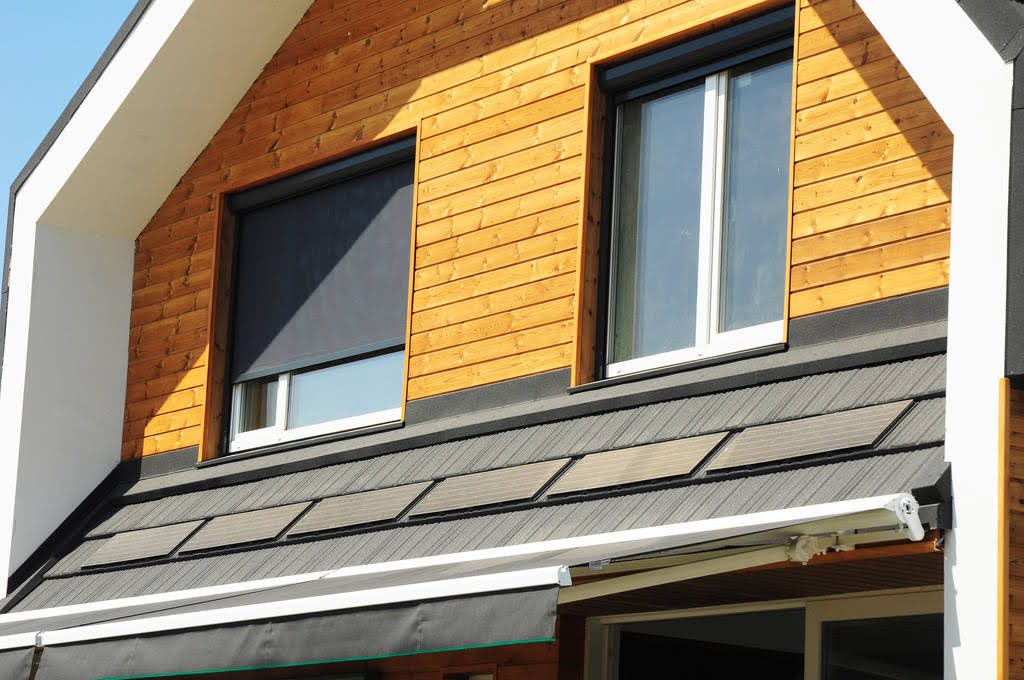
Wood paneling delivers warm, natural charm that is hard to replicate. It adds richness and character to a home’s exterior and works beautifully with traditional and rustic styles. However, wood also requires regular maintenance, including staining, sealing, and protection from moisture and pests. While stunning, it demands commitment to upkeep.
Vinyl Siding: Style and Practicality
Vinyl siding remains one of the most popular exterior paneling options due to its affordability and low maintenance. It comes in a wide range of colors and textures and resists moisture well. While it may fade over time and lack the premium feel of natural materials, it offers solid value and practicality for many homeowners.
Metal Paneling: Strength and Modern Appeal
Metal paneling delivers outstanding durability and a sleek, modern aesthetic. It resists fire, pests, and extreme weather conditions. With today’s advanced finishes, metal paneling can look refined and stylish while offering decades of reliable performance.
Fiber Cement Siding: A Rising Favorite
Fiber cement siding has gained popularity due to its balance of strength, appearance, and low maintenance. It mimics the look of wood while resisting moisture, insects, and fire. It is an excellent choice for homeowners who want beauty without heavy upkeep.
Stucco: Textured and Distinctive
Stucco provides a unique, textured appearance that works especially well in warm climates. It offers solid insulation and a timeless look. While durable, it must be properly installed and occasionally maintained to prevent cracking.
Brick and Stone: Classic and Timeless
Brick and stone exteriors offer unmatched longevity and classic beauty. These materials provide natural insulation, resist weather damage, and add prestige to any property. Though more expensive upfront, they often last a lifetime with minimal maintenance.
Matching Material to Weather Conditions
Climate plays a major role in material selection. Areas with heavy rain, extreme heat, or freezing temperatures require paneling that can withstand harsh conditions. Choosing the wrong material can lead to premature damage and costly repairs.
Balancing Durability and Maintenance
Some materials require frequent care, while others offer long-lasting protection with minimal effort. The right balance depends on your lifestyle, budget, and long-term goals for the property.
Matching Paneling to Your Home’s Architecture
The paneling should complement your home’s architectural style. A modern home pairs well with metal or fiber cement, while a traditional house may suit wood or brick better. Consistency enhances harmony and overall appeal.
Choosing Colors and Textures That Increase Value
Neutral tones, natural textures, and timeless color schemes tend to boost resale value. While bold colors can add personality, they should be chosen carefully to avoid limiting buyer interest.
Budget Considerations
Exterior paneling materials vary widely in price. Vinyl and fiber cement are cost-effective, while natural stone and high-quality wood require a higher investment. Installation costs should also be factored into budgeting decisions.
Pros and Cons of DIY Installation
DIY installation offers cost savings and personal satisfaction. However, it also carries risks such as improper installation, material waste, and safety hazards. Mistakes can lead to higher long-term costs.
Knowing When to Hire a Professional
Professional installation is recommended for complex materials such as stone, brick, stucco, and metal. Experienced contractors ensure proper alignment, sealing, and structural protection, which protects your investment.
Choosing a Reliable Installation Contractor
Look for licensed and insured contractors, read reviews, request multiple quotes, and review past projects. Clear communication and written warranties are also essential to a successfulinstallation.