

Understanding the Luxury Real Estate Market
Luxury real estate is its own distinct world, requiring a unique investment approach. Global economic trends, geopolitical shifts, and the sentiment of high-net-worth buyers influence these properties. Unlike standard homes, luxury residences can experience sharper price swings, and their market cycles behave differently. For example, during times of economic uncertainty, luxury markets often see longer listing times and increased negotiations on price. Investors seeking to navigate these waters should work with experienced professionals, such as Bullhead City real estate agent Duston Vance, for insights into specialized, high-end markets.
Because luxury real estate attracts a global buyer pool, international events can have immediate local impacts. High-end buyers are more mobile and resilient, but they also demand higher standards—meaning luxury homes must stand out in both style and substance to command full value. Understanding these fluctuations and preparing for additional due diligence is crucial for any investor entering this arena.
Evaluating Location and Market Trends
The age-old real estate mantra remains true at the luxury level: location is everything. Prime locations—think oceanfront, urban penthouses, or properties with exclusive views—hold their value far better, especially in turbulent markets. Beyond the obvious, savvy investors study long-term trends in destination cities known for high-end tourism and business, as these factors buoy demand. Additionally, it’s wise to understand local regulations, taxes, and how the area’s reputation attracts international buyers. Key urban neighborhoods often experience property appreciation due to their global allure and limited inventory, according to recent insights from The Wall Street Journal.
When researching a luxury home, investors should review historical price data, consult with local experts, and consider properties in emerging areas with robust infrastructure plans. Having this broad perspective provides a competitive edge for both resale value and rental income potential.
Assessing Architectural Design and Quality
Design and build quality are non-negotiable in the luxury market. Timeless architectural styles, combined with innovative features, ensure lasting appeal and contribute to future resale value. Luxury buyers expect bespoke craftsmanship, from custom millwork to imported stone finishes and premium appliances. Investors must distinguish between timeless details and trendy elements that may not retain their value over time. Rich, enduring materials—such as hardwood floors, marble countertops, and smartly integrated built-ins—not only enhance the living experience but set properties apart in crowded markets.
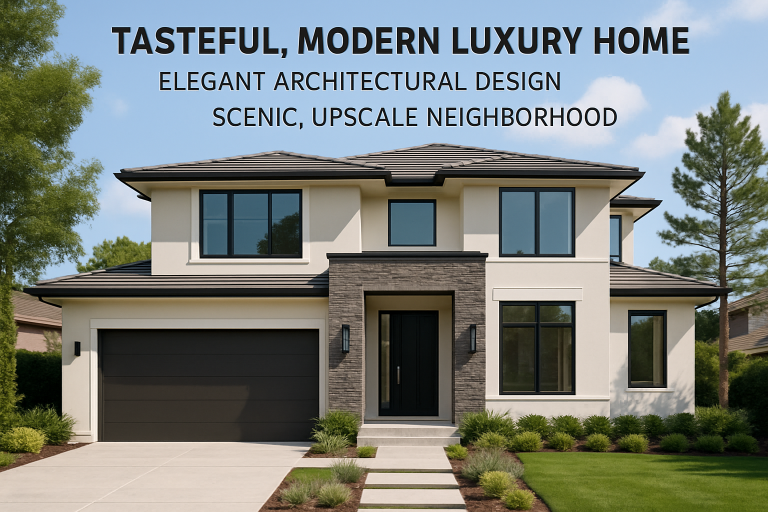 Additionally, buyers are increasingly seeking flexible room layouts that cater to diverse lifestyles, whether for entertaining, working, or maintaining well-being. Consulting with architects and interior designers specializing in ultra-luxury properties can help identify which upgrades genuinely move the needle for discerning clientele.
Incorporating Smart Home Technology
Today’s luxury buyers expect homes that are as sophisticated technologically as they are aesthetically. Integrated smart home features—such as security systems, programmable thermostats, fully automated lighting, and audio—have transcended luxury and become prerequisites. Modern energy management systems, home theaters, and high-end kitchen appliances enhance convenience, sustainability, and property value. Recent research from Forbes highlights that smart home technology remains a top differentiator in the high-end market.
Properties that lack these cutting-edge amenities may appear outdated, which can impact their attractiveness even in sought-after areas. Investors should prioritize forward-thinking upgrades and remain up to date with evolving tech standards to maintain a property’s elite status.
Prioritizing Sustainability and Wellness
Green living is now a necessity in luxury real estate. High-profile buyers often seek homes constructed with eco-friendly materials, efficient insulation, and renewable energy sources, such as solar. Wellness is equally paramount, with dedicated spa areas, biophilic design elements (such as indoor gardens and natural lighting), and access to green spaces adding value and appeal. These priorities not only command premium prices but also position properties ahead of future regulatory changes and buyer trends.
Builders and developers integrating wellness-focused architecture—think air filtration, circadian lighting, and access to nature—are at the forefront of luxury. Sustainable investments also tend to reduce long-term ownership costs and attract eco-conscious clientele, making these homes especially attractive to a global market.
Understanding Maintenance and Upkeep
Luxury property ownership involves a commitment to ongoing maintenance and operational excellence. These homes may feature expansive landscaping, high-tech security systems, pools, and extensive mechanical systems—each carrying significant upkeep and servicing costs. Failing to plan for these expenditures can result in rapid depreciation or costly deferred maintenance. Routine care, regular inspections, and professional management services are essential to maintaining value and ensuring the lasting enjoyment of the property.
Setting aside a maintenance fund and utilizing reputable service providers helps safeguard investments. It’s wise for investors to conduct a comprehensive review of these recurring expenses as part of the purchasing decision, factoring them into long-term financial planning.
Collaborating with Industry Experts
Navigating luxury real estate is rarely a solo endeavor. Collaborating with professionals such as specialized luxury real estate agents, financial advisors, architects, and legal experts can unlock opportunities and mitigate risks. Experienced agents are familiar with market nuances and offer access to off-market deals, while skilled advisors provide guidance on tax-efficient investment structures and succession planning. A robust support team ensures that investors can respond proactively to changing circumstances—both market shifts and evolving personal needs.
Building these relationships early streamlines every phase of the investment journey, from identifying properties to finalizing transactions and overseeing ongoing management.
Final Thoughts
Investing in luxury homes requires diligence, discernment, and a willingness to engage experts who understand the intricacies of the market. By prioritizing prime locations, flawless design, cutting-edge technology, and sustainability, and by planning for maintenance and expert collaboration, investors can position themselves to achieve both personal satisfaction and robust financial returns in the luxury sector. A proactive, informed approach is the surest path to optimizing the rewards of high-end property ownership.