
Understanding Mindfulness and Its Benefits
Mindfulness means focusing your attention on the present moment, noticing your thoughts and emotions without judgment or trying to change them. This intentional awareness empowers people to respond to life’s challenges with greater calm and clarity. From improved emotional regulation to reduced reactivity, its benefits extend to all aspects of mental well-being. Incorporating resources like Balance by The Mind Company can make building a mindfulness routine much more accessible.
Regular mindfulness practice is shown to relieve symptoms of stress and anxiety, improve sleep, and even boost productivity by keeping the mind from getting lost in worries about the future or regrets about the past. Over time, these small acts of attention help build mental resilience and foster a greater sense of peace in day-to-day life.
One of the greatest strengths of mindfulness is its adaptability—it’s as valuable for busy professionals as it is for students, parents, and anyone seeking to improve their mental health. Science supports that consistent practice can profoundly change the way your brain processes emotions, leading to lasting positive effects.
In addition to personal transformation, mindfulness helps individuals develop empathy and compassion, thereby further building connections in their personal and professional lives. By being present in conversations and activities, people report higher-quality relationships and improved self-awareness.
Scientific Evidence Supporting Mindfulness
A wealth of research confirms the mental health benefits that come from even short, regular mindfulness sessions. According to a study published in the British Journal of Health Psychology, dedicating just 10 minutes a day to mindfulness can help ease symptoms of depression and anxiety while promoting healthier habits in sleep, diet, and exercise routines.
Neurological imaging suggests that regular mindfulness exercises enhance areas of the brain associated with emotional regulation and self-awareness, including the prefrontal cortex and the hippocampus. This is why those who practice regularly often find themselves reacting to life’s stressors with greater composure and flexibility.
Simple Mindfulness Techniques to Incorporate Daily
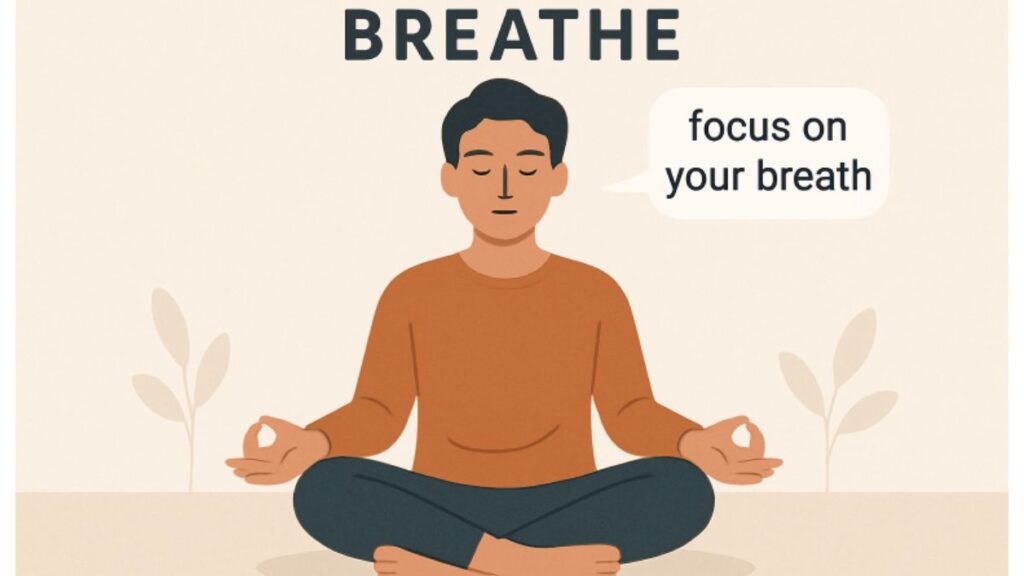
- Focused Breathing: Take a few intentional minutes each day to observe your breath. Notice each inhale and exhale. If your mind wanders, gently return your attention to your breathing.
- Body Scan Meditation: While lying down or sitting comfortably, focus your awareness on different parts of your body, moving from your toes to the top of your head. Notice sensations without judgment or the need to fix anything.
- Mindful Walking: When you walk, pay close attention to each step, the rhythm of your feet, and the environment around you. Even a short walk around the block can be transformed into a mindful practice.
- Gratitude Journaling: Each day, jot down a few things you’re grateful for. Shifting your focus toward gratitude can improve your mood and encourage a more positive outlook.
Mindfulness in the Workplace
As mental health becomes an increasingly important priority, more organizations are incorporating mindfulness programs into the workday. These range from guided meditation sessions and mindful breathing breaks to larger wellness workshops. Such initiatives not only reduce employee stress and absenteeism but also foster creativity, improve focus, and help prevent burnout.
Employees who regularly engage in mindfulness practices tend to report greater job satisfaction and increased productivity. A feature from The New York Times highlights how mindfulness is moving from a wellness trend to a critical workplace strategy as companies work to support their teams’ holistic well-being.
Mindfulness and Technology
Advances in technology have made it easier than ever to start and sustain a mindfulness practice. AI-powered tools and apps offer tailored prompts, track progress, and even suggest new techniques based on user experiences. These digital resources can introduce mindfulness to those who might struggle with traditional methods or lack access to in-person sessions.
By removing barriers to access, technology is making mindfulness more inclusive, breaking down misconceptions, and helping it become a staple in modern self-care routines.
Overcoming Common Challenges in Mindfulness Practice
Many people encounter similar hurdles when starting a mindfulness routine, such as fitting it into a busy day, quieting a wandering mind, or sustaining motivation. Approach these challenges with self-compassion and practical strategies:
- Start Small: Begin with two or three minutes daily and gradually extend the time as you get more comfortable.
- Set Reminders: Use your phone or sticky notes to prompt brief moments of mindfulness throughout the day.
- Be Patient: Minds naturally wander. When distractions occur, notice them and gently bring your focus back, without self-criticism.
Mindfulness for Anxiety and Stress
Mindfulness is particularly effective for breaking patterns of anxious thinking and persistent stress. By cultivating the habit of observing your thoughts as fleeting experiences, you can prevent yourself from getting caught up in cycles of worry or self-doubt.
Over time, practicing mindfulness helps you notice anxieties before they escalate, allowing proactive responses rather than reactive ones. This proactive approach not only reduces immediate anxiety but also cultivates long-term resilience.
Final Thoughts
Adopting daily mindfulness practices can lead to profound and lasting changes in mental health. Even a few minutes each day spent in mindful attention can reduce stress, improve mood, and lead to a greater sense of overall well-being. As technology and research continue to make mindfulness more accessible, it’s easier than ever to build these practices into your life and benefit from the mental clarity, calm, and resilience they bring.