
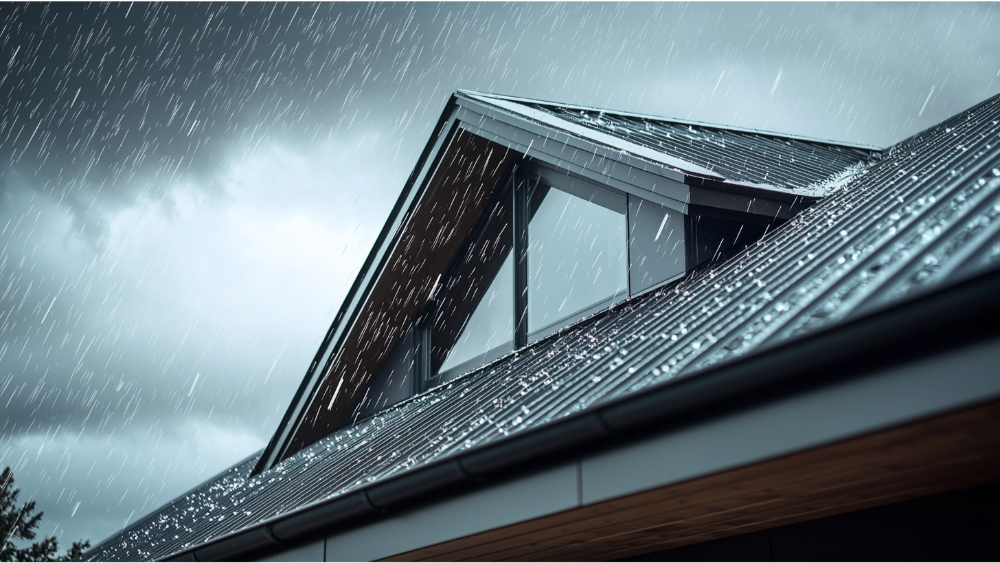
Living in the Midwest means learning to adapt to sudden weather shifts. From heavy snowfall in January to thunderstorms in July, your home—especially the roof—is your primary defense. But over time, harsh weather can quietly eat away at your roof’s integrity without any obvious signs. Understanding how roofs respond to climate pressure and what to watch for can help you prevent major headaches down the road.
How Weather Slowly Wears Down Your Roof
Your roof isn’t just hit once—it’s hit constantly. Rain, wind, sun, and ice don’t need to destroy your roof all at once. Instead, they work slowly, breaking down materials until small problems become costly issues.
Sun and UV Damage
Even in cooler months, UV radiation can degrade roofing materials. Over time, shingles begin to dry out, crack, or lose granules. These changes aren’t always visible from the ground but can weaken the outer layer that protects your home.
Rain and Moisture Intrusion
Heavy rain doesn’t just bounce off your roof. It works its way into weak spots. Flashing around chimneys, vents, or skylights is particularly vulnerable, as are aging valleys where water flows during storms.
Ice and Snow Buildup
Ice dams form when warm air in the attic melts snow that then refreezes at the eaves. This traps water under the shingles, forcing it backward into the house. Without proper insulation and ventilation, even new roofs can fall victim to this silent threat.
The Lifecycle of a Roof: When to Inspect and What to Expect
Just like any other part of your home, your roof has a predictable lifespan. Depending on materials and installation quality, most roofs last between 20 and 50 years. But inspection frequency—not just age—matters more when it comes to maintenance.
What to Look For in a Visual Inspection
From the ground or using binoculars, look for:
- Curling or missing shingles
- Discoloration or streaking
- Sagging areas or uneven surfaces
- Exposed underlayment or flashing
Catch these signs early, and you may avoid major repairs or a full replacement.
Annual and Seasonal Checks
Ideally, inspect your roof twice a year—once in spring and once in fall. After big storms, do a spot check. Even if the damage seems minor, water can travel far from the source of a leak before it becomes visible indoors.
When to Call in a Professional
Any sign of sagging, interior water stains, or multiple missing shingles should be taken seriously. A professional assessment can confirm whether simple patchwork or more comprehensive service—like roof repair verona wi—is needed.
Top 5 Places Roof Leaks Start (That You Might Miss)
(Not always the shingles!)
- Around skylights
- Where the roof meets siding
- At plumbing vent boots
- Inside clogged gutters
- Along roof valleys
How to Extend the Life of Your Roof With Simple Upgrades
You don’t need to wait for visible damage to improve your roof’s performance. Preventative upgrades can add years to its lifespan while improving your home’s overall efficiency.
Improve Attic Ventilation
A balanced ventilation system keeps air moving through your attic, reducing moisture and heat buildup. This protects your shingles from premature wear and helps prevent mold growth.
Add Gutter Guards
Clogged gutters cause water to overflow and damage fascia, soffits, and even your foundation. Installing gutter guards keeps debris out and maintains clean drainage year-round.
Trim Nearby Tree Branches
Overhanging limbs can scratch and damage shingles during windy conditions. Trimming trees at least 6–10 feet from your roof also prevents leaves from collecting in gutters and valleys.
3 Unexpected Benefits of Roof Maintenance
(Beyond just preventing leaks)
- Lower cooling bills in summer
- Increased home resale value
- Better air quality with less trapped moisture
What to Do After a Storm Hits: A Quick Action Plan
Even a minor storm can cause serious roof damage. Acting quickly can prevent water from entering your home and save thousands in repairs.
Step 1: Check for Immediate Hazards
Look for downed branches, torn shingles, or any debris on the roof. If there’s a visible hole or collapsed section, stay out of the affected area and avoid electrical panels.
Step 2: Document Everything
Before making any temporary repairs, take clear photos of all damage. This is important for insurance claims and contractor estimates.
Step 3: Tarp Any Exposed Areas
If it’s safe to do so, cover exposed sections with a waterproof tarp to stop water intrusion. Use wood strips to secure the tarp edges so they don’t blow away.
Step 4: Contact a Trusted Roofer
Don’t wait for water stains to appear on your ceiling. Getting a post-storm inspection from a local contractor who understands regional weather—like one specializing in roof repair verona wi—ensures that small problems don’t become long-term structural issues.
Essential Emergency Kit for Homeowners
(Keep these items ready year-round)
- Heavy-duty tarp
- Hammer and nails or roofing screws
- Flashlight with extra batteries
- Power bank for phone
- Notebook for documenting damage
Planning for the Future: When Roof Repair Isn’t Enough
Sometimes repairs simply prolong the inevitable. If your roof has had multiple patches, is nearing its expected lifespan, or suffers from structural issues, a replacement may be the smarter investment.
Cost vs. Value
While replacement is a larger upfront expense, a new roof adds significant resale value, improves energy efficiency, and eliminates constant small repair costs. If you’re selling in the next five years, it can also make your home far more attractive to buyers.
Choosing the Right Material
Asphalt shingles are the most common and affordable option, but metal roofing is gaining popularity for its durability and resistance to wind and fire. Composite shingles offer a high-end look with excellent weather resistance.
Don’t Forget Warranties
Make sure your new roof comes with both manufacturer and workmanship warranties. This protects you in case of material failure or installation mistakes.
4 Questions to Ask Before Choosing a Roofing Contractor
(For peace of mind)
- Are you licensed and insured in my state?
- Do you offer a warranty on your work?
- Can I see local references or recent projects?
- What’s your process for handling unexpected damage?
Your roof doesn’t just sit there—it works 24/7, year after year, protecting everything you care about. With the right approach to inspection, maintenance, and timely intervention, you can avoid major repairs and keep your home secure and dry through all seasons. When issues do arise, partnering with a local expert in roof repair verona wi ensures you get the right solution, right when you need it.