
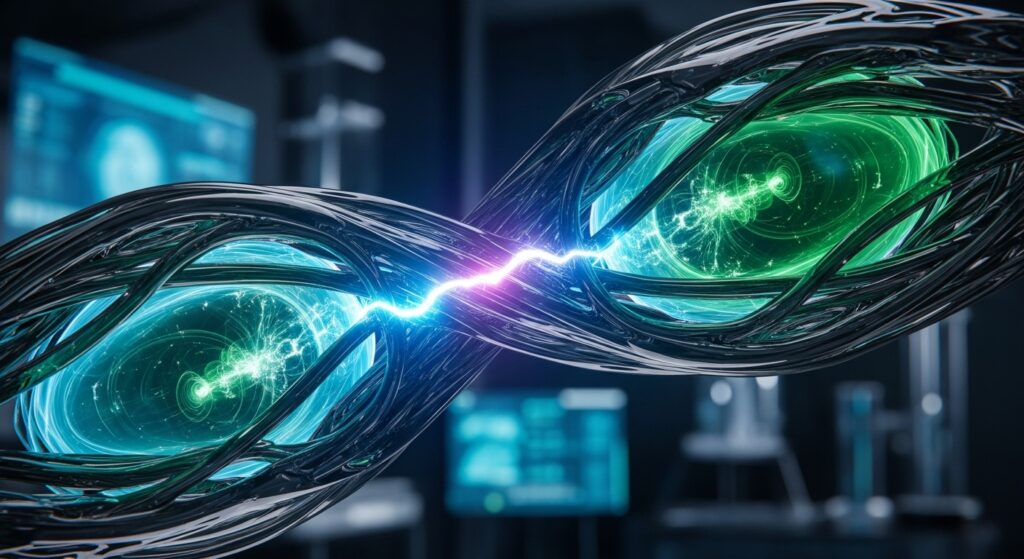
As technology advances at a pace never seen before, scientists, engineers, and futurists often imagine materials capable of pushing the boundaries of what modern machines and systems can accomplish. Among the most intriguing of these imagined materials is Nelonium — a conceptual ultra-advanced substance envisioned to combine incredible strength, extreme durability, and intelligent adaptability. Though fictional, the idea of Nelonium represents the direction in which real-world materials science is steadily heading.
In this article, we explore what Nelonium symbolizes, its theoretical properties, and how a material like this could transform industries on a global scale.
What Is Nelonium?
Nelonium is best described as a hypothetical next-generation composite material, often used in futuristic engineering concepts. It symbolizes a substance designed with perfect balance: lightweight yet ultra-strong, heat-resistant yet flexible, intelligent yet stable.
While not found in nature, the concept draws inspiration from emerging scientific developments in:
-
Nanostructured alloys
-
Smart materials
-
Graphene composites
-
High-temperature ceramics
-
Quantum-enhanced surfaces
Nelonium represents the ideal material — powerful enough to withstand extreme environments while adaptable enough to integrate seamlessly into smart systems.
Key Theoretical Properties of Nelonium
Although Nelonium does not exist today, it is imagined to possess characteristics that go beyond the limits of current materials.
1. Exceptional Strength-to-Weight Ratio
Nelonium is typically portrayed as far stronger than steel or titanium while remaining incredibly lightweight — perfect for aerospace, robotics, and advanced construction.
2. Extreme Temperature Resistance
From the freezing vacuum of space to the intense heat of planetary atmospheres, Nelonium is envisioned to maintain structure under extreme conditions.
3. Intelligent Structural Adaptation
Some speculative models imagine Nelonium capable of micro-adjusting to stress, vibration, or heat, allowing it to self-optimize for performance.
4. Near-Zero Degradation Over Time
Durability is a defining trait. Nelonium is theorized to resist rust, corrosion, fatigue, and chemical breakdown.
5. High Magnetic and Electronic Responsiveness
Advanced technologies could use Nelonium as a conductor or sensor material, supporting efficient energy transfer or embedded electronics.
Potential Uses of Nelonium in Future Industries
If a material like Nelonium were invented, its potential applications would be revolutionary across multiple fields.
1. Space Exploration
Spacecraft built with Nelonium-like materials could:
-
Survive intense cosmic radiation
-
Withstand micrometeor impacts
-
Reduce launch weight
-
Operate longer without maintenance
This would dramatically lower the cost of long-term space missions and accelerate human expansion beyond Earth.
2. Robotics and AI Systems
Nelonium could be used to craft robotic systems with:
-
Lightweight yet robust exoskeletons
-
High-precision joints
-
Heat-resistant components
-
Longer operational lifespans
Whether used in industry, healthcare, or exploration, robots built with Nelo nium-like materials would operate more efficiently and withstand extreme environments.
3. Sustainable Mega-Structures
Next-generation architecture could rely on Nelonium for:
-
Earthquake-resistant towers
-
Ultra-light bridges
-
Weatherproof coastal defenses
-
High-stability transportation hubs
Stronger, lighter materials reduce resource consumption and increase building safety.
4. High-Performance Energy Systems
Energy innovation would also benefit from Nelo nium-inspired materials:
-
Ultra-durable solar arrays
-
Heat-resistant reactor components
-
High-capacity supercapacitors
-
Low-loss electrical systems
These advances could support cleaner and more efficient power generation.
5. Consumer Technology
If Nelonium were real, everyday devices could see major improvements:
-
Nearly unbreakable phones
-
Ultra-thin laptops
-
Shock-resistant wearables
-
Flexible display frames
Durability and lightweight design would redefine product longevity and user experience.
Why Nelonium Inspires Scientists and Engineers
Even though Nelonium itself is fictional, the concept serves a valuable purpose.
• It sparks innovation
Imagining materials beyond current capabilities helps researchers set ambitious goals.
• It bridges science and creativity
Nelo nium is often used in speculative engineering, sci-fi worldbuilding, and advanced design concepts.
• It encourages interdisciplinary development
Materials science, nanotechnology, physics, and AI all overlap in discussions about futuristic materials.
• It shapes the future of research
Graphene, aerogels, metamaterials, and superalloys were once considered impossible — just like Nelo nium.
The Real-World Science Behind a Fictional Idea
While Nelo nium is not real, several existing materials hint at what could inspire it:
Graphene
Stronger than steel, extremely conductive, and incredibly thin.
Ceramic Matrix Composites
Lightweight materials that survive temperatures where metals melt.
Liquid Metal Alloys
Metal that flows and changes shape while maintaining structural integrity.
Metamaterials
Synthetic materials engineered for properties nature cannot produce.
Self-Healing Polymers
Plastics that repair themselves after being damaged.
These breakthroughs prove that today’s fiction may become tomorrow’s engineering reality.
Could Nelonium Become Real One Day?
The development of a Nelonium-like material would require major advances in:
-
Atomic-scale engineering
-
Quantum materials research
-
High-precision manufacturing
-
Energy-efficient fabrication systems
-
Nanostructuring at industrial scale
While we are not there yet, research is increasingly moving toward materials with extraordinary strength, flexibility, and intelligence — bringing us a step closer to turning concepts like Nelo nium into reality.
Conclusion
Nelonium stands as a symbol of futuristic engineering — a material unbound by current limitations, capable of enhancing industries from robotics to aerospace. While purely conceptual, Nelo nium reflects humanity’s ongoing pursuit of stronger, smarter, and more adaptable materials. Concepts like this push scientists to question what is possible, inspiring innovations that will shape the technologies of tomorrow.