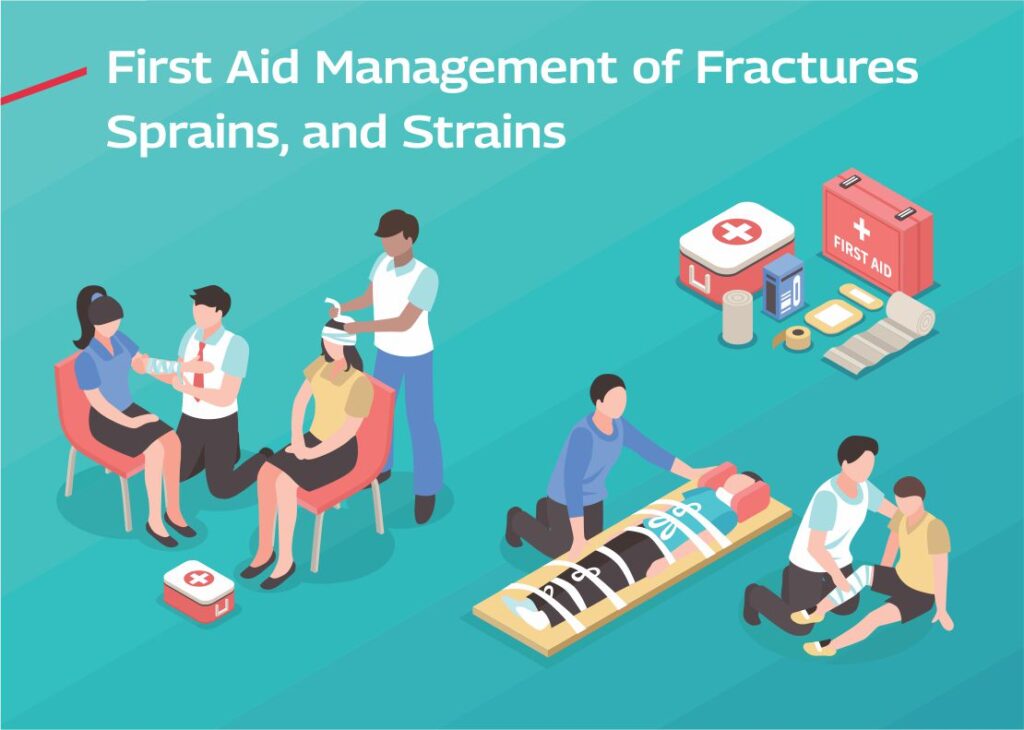
Accidents happen — a sudden twist on the field, a misstep on the stairs, or a fall during everyday activity. When an injury involves a joint giving way or a bone cracking, knowing what to do right away can make a big difference. Whether you’re supporting a friend after a sports slip‑up or simply want to be ready for emergencies, proper first aid for sprains and fractures is an important skill. In this article we’ll walk through what makes these injuries different, how to respond safely, and key care steps you can apply until professional help arrives.For full CPR and First Aid training that prepares you for emergencies, visit cprcertificationnow.com Let’s empower you to act calmly and confidently when it matters most.
Understanding Sprains Versus Fractures
Sprains and fractures both involve sudden injuries to bones or joints, but they are different in how they happen and how they’re treated.
- A sprain affects ligaments, which are the bands of tissue that connect bones in a joint. A twist, turn, or impact can stretch or tear them, causing pain, swelling, and reduced movement.
- A fracture is a crack or break in a bone. It may show obvious signs such as deformity, inability to use the limb, or severe pain.
Knowing the difference helps you decide how to respond right away and when to seek emergency care.
First Aid Steps You Can Take Immediately
When you suspect someone has a sprain or fracture, quick and safe action matters. The key steps are:
- Ensure safety: Make sure the environment is safe before helping the injured person.
- Stop movement of the injured part: For suspected fractures especially, avoid moving the area or attempting to straighten it.
- Apply the RICE method for sprains:
- Rest the injured joint.
- Ice the area with a cold pack wrapped in cloth for 15‑20 minutes.
- Compression: Use an elastic wrap to provide light support.
- Elevation: Raise the limb above heart level if possible to reduce swelling.
- Immobilize suspected fractures: Use a splint or whatever is available to keep the limb stable until help arrives. Do not try to realign the bone yourself.
- Call for medical help when necessary: If there is deformity, bone protrusion, severe pain, or the person cannot move or bear weight, seek professional care immediately.
How to Support Recovery After the Initial Aid
Once the immediate first aid is done, proper follow‑up can help the injured person heal better and avoid complications.
- Encourage gentle movement and flexibility when okay, but only under guidance and once approved by a medical professional.
- For sprains, after the first 48 hours of rest and cold, gradual gentle heat and mild stretching may help restore mobility (if advised by a physical therapist).
- Use supports like braces or bandages as recommended for sprains, and follow up with a healthcare provider if the injury doesn’t improve.
- For fractures, follow your doctor’s instructions closely — that might include wearing a cast, using crutches, or seeing a specialist for joint involvement.
- Watch for signs of complications: increased pain, swelling, numbness, blue or cold skin, or inability to use the limb. These can signal deeper problems.
Preventing Sprains and Fractures in Daily Life
Injuries are unpredictable, but you can reduce risk by being mindful in your activities. Consider:
- Warming up before physical activities and stretching sufficiently.
- Wearing appropriate footwear and gear, especially when you play sports or work in uneven terrain.
- Being aware of your surroundings: wet floors, uneven surfaces, poor lighting all increase risk of slips and falls.
- Strengthening muscles around joints to improve balance and stability.
- Avoiding rushing, especially during transitions (stairs, stepping off curbs) and being cautious when changing direction quickly.
Prevention doesn’t mean eliminating risk entirely, but it does mean giving your body and mind the best chance to stay safe.
Conclusion
Sprains and fractures are among the more common types of injury, yet with knowledge and prompt care you can make a meaningful difference in how they heal. By recognizing the signs, applying first‑aid steps like the RICE method or immobilizing a broken bone, and seeking professional help when needed, you give yourself or someone else the best chance for a smooth recovery. And by staying proactive — warming up, strengthening, and staying attentive — you lower your chances of being sidelined by injury. Keep these first‑aid approaches in mind, and remember that preparedness is as important as reaction when it comes to safety. With awareness, you can be ready to act confidently when it matters most.