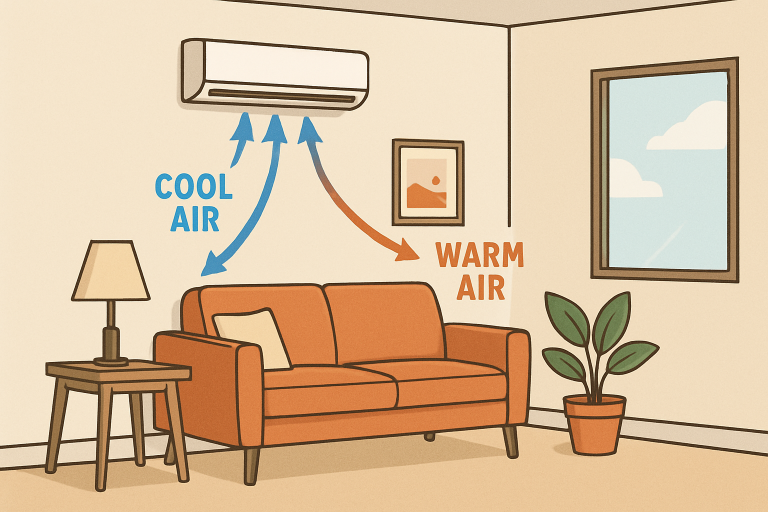
As more homeowners pursue modern, energy-efficient ways to heat and cool their homes, ductless HVAC systems are emerging as a clear favorite. Also known as mini-split systems, these advanced units eliminate the need for bulky ductwork, allowing for precise temperature control in individual rooms or zones. Whether you’re renovating an older property or adding HVAC to an addition, ductless systems offer a combination of convenience and superior performance.
Beyond being a space-saving solution, ductless HVAC provides comfort even in extreme climates. Many models, such as some cold weather heat pump systems, maintain efficient heating even when outdoor temperatures plummet, ensuring year-round comfort without the high energy bills or complicated installations associated with conventional HVAC solutions.
The flexibility offered by ductless HVAC extends to design and functionality—it can be placed almost anywhere and is especially useful in homes where traditional duct runs are impractical. With a variety of options available, homeowners can personalize climate control to specific lifestyle needs, all while enjoying long-term savings on energy consumption and maintenance. This innovative approach is also a smart way to enhance indoor air quality, keeping your home’s environment healthier and more breathable.
Notably, ductless systems are favored for their quiet operation and eco-friendly features, making them a leading choice for comfort-focused, environmentally conscious consumers. By addressing the drawbacks of traditional ducted systems, ductless HVAC is transforming the way we approach heating and cooling our living spaces.
Energy Efficiency
One of the most significant benefits of ductless HVAC systems is their outstanding energy efficiency. In conventional forced-air systems, energy loss can be substantial as heated or cooled air leaks from ductwork, which is often poorly insulated or developed with outdated materials. According to the U.S. Department of Energy, these losses can account for more than 30% of total energy use for space conditioning. Ductless systems solve this problem by delivering air directly through individual air handlers, resulting in minimal energy waste and lower utility bills. Many models achieve top SEER (Seasonal Energy Efficiency Ratio) ratings, surpassing what is typically achievable with ducted HVAC systems.
Zoned Temperature Control
The ability to fine-tune comfort room by room is a standout feature of ductless systems. Unlike traditional systems, which use a single thermostat to control the entire home, multi-zone mini-splits enable independent temperature management in each room. This zoning capability increases individual comfort and eliminates waste, since energy isn’t expended conditioning unoccupied spaces. If one household member prefers a cooler bedroom at night while another wants warmth in their study, ductless systems provide customized solutions effortlessly.
Easy Installation
Installing a ductless HVAC system is typically far less invasive than setting up a ducted solution. The absence of cumbersome ductwork means you only need a small wall penetration to connect indoor and outdoor units with refrigerant and power lines. This fast and straightforward process is ideal for retrofitting older homes, upgrading outbuildings, or cooling and heating sunrooms, attics, and basements. Homeowners enjoy professional results with minimal disruption to their daily routine or home structure.
Improved Indoor Air Quality
Indoor air quality has a direct impact on your family’s health, and ductless HVAC systems offer a superior approach to clean air. Ducts in traditional systems can harbor dust, pet dander, pollen, and even mold, which then gets distributed throughout the home. Ductless systems utilize advanced filters that remove particles and allergens before they are recirculated, providing a cleaner and healthier breathing environment. Regular filter maintenance is quick and generally hassle-free compared to duct cleaning in traditional setups. More on indoor air quality improvements is available at the CDC’s indoor air quality page.
Quiet Operation
HVAC noise is a common complaint, especially with older systems that produce clanging and rattling sounds as they turn on and off. Ductless heat pumps, however, are engineered for whisper-quiet performance. Their indoor air handlers operate silently, making them suitable for bedrooms, libraries, or nurseries where noise minimization is a priority. Outdoor units are equally discreet, contributing to a peaceful home environment both inside and out.
Cost-Effectiveness
Although the upfront cost of a ductless HVAC system may be slightly higher than that of traditional units, the investment quickly pays for itself. Enhanced energy efficiency translates to significantly lower monthly utility expenses. Homeowners may also qualify for rebates, tax credits, and utility incentives when upgrading to high-efficiency systems, thereby increasing the financial attractiveness of ductless solutions. Reduced need for ongoing maintenance and repairs further adds to their long-term cost-effectiveness.
Flexibility in Placement
Ductless systems’ compact size and adaptable design offer flexibility in installation. Indoor air handlers can be mounted on walls, ceilings, or set on floors, giving architects and homeowners the ability to maintain both function and aesthetic preferences. This adaptability makes ductless solutions a favorite for customized home designs, renovations, and additions where traditional ducts would complicate the project or disrupt the space.
Environmental Impact
Ductless systems are aligned with sustainable home goals. Their low energy consumption significantly reduces carbon emissions, and many newer models use modern refrigerants that are less harmful to the environment. Homeowners seeking to lower their ecological footprint will find that ductless HVAC supports greener living with every season.
In summary, ductless HVAC systems offer unparalleled advantages in terms of energy efficiency, comfort, installation convenience, air quality, and environmental impact. Their innovative features and adaptability ensure they remain a leading solution as homeowners prioritize sustainability and individualized comfort in their living spaces.