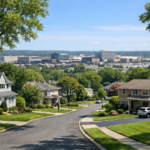
Community journalism is more than just reporting on local events—it’s the heart of what makes neighborhoods, towns, and regions feel connected and informed. In a world dominated by national headlines, it’s the dedicated local coverage that truly reflects residents’ day-to-day lives. People searching for coverage about their hometowns, such as NH local news, rely on community journalism to stay in touch with what matters most to them: school updates, municipal decisions, small business stories, and neighborhood milestones.
Unlike national outlets that often overlook the intricacies of smaller locales, community journalism provides nuanced perspectives and amplifies voices that would otherwise go unheard. This deep engagement with residents not only informs but also nurtures a stronger sense of belonging. By spotlighting everything from city council decisions to charity drives, local journalists help reinforce trust and accountability within the community itself.
The intimate focus of community coverage makes it essential for maintaining social ties and civic awareness. Without this dedication, many issues, achievements, and challenges unique to a locality would fade into obscurity.
Whether fostering debate, preserving history, or celebrating local culture, community journalism anchors people to their roots—and reminds them that their stories matter. For additional insights into how local journalism affects more expansive media landscapes, reputable publications like Nieman Lab regularly explore its evolving role.
Defining Community Journalism
Community journalism centers on news around neighborhoods, towns, or cities, focusing on the events and personalities that shape everyday life. This coverage is hyper-local, prioritizing stories with direct relevance and immediate impact on residents. Community journalists are often integrated members of the places they cover—they know the local concerns, the nuanced history, and the key players that make each community distinct. This trusted, grassroots perspective empowers people to share their stories, participate in public life, and build a more complete picture of their own hometown.
Strengthening Community Identity
Through stories about local achievements, challenges, and shared celebrations, community journalism strengthens the collective fabric of a region. When residents see their neighbors featured in local news, it reinforces a sense of pride and connection, helping them identify more closely with the broader community. Highlighting local school programs, sports teams, and cultural events, community media foster a deeper appreciation for traditions and shared values, encouraging individuals to engage with one another beyond their families or streets.
 Holding Power Accountable
One of the most vital functions of community journalism is its role in holding local institutions accountable. Local reporters routinely cover city council meetings, school board discussions, and public budget hearings, ensuring that decision-makers remain transparent and accountable. This close monitoring protects against abuses of power and keeps citizens informed about how public money and authority are managed. By illuminating both successes and failings, these journalists empower residents to advocate for change and become active participants in civic life.
Preserving Local Culture and Heritage
Community journalism serves as both chronicler and caretaker of local traditions, celebrations, and milestones. Coverage of parades, anniversary events, historical commemorations, and local folklore ensures that unique cultural elements are not lost to time. By documenting the heritage of a place, local news provides future generations with a record of their community’s journey, deepening their sense of belonging and continuity.
Challenges Facing Community Journalism
Despite its lasting importance, community journalism faces grave threats. The rise of digital advertising and social media platforms has drastically reduced revenue for local newsrooms. Many independent newspapers have merged with or been acquired by larger corporations, often resulting in layoffs or reduced coverage. These financial pressures mean fewer reporters, less investigative journalism, and gaps in daily reporting that undermine public awareness and civic engagement.
The Rise of News Deserts
The disappearance of local newspapers has led to the phenomenon known as “news deserts”—areas where residents have little or no access to credible local reporting. When local news outlets close, residents lose access to reliable coverage of government decisions, public health, education, and other essential topics. Research from Northwestern University’s Medill School of Journalism reveals that over 200 U.S. counties have no local newspaper, impacting millions of people. The absence of trusted information erodes community dialogue and accountability, which can lead to the spread of misinformation and civic disengagement.
Innovations in Community Reporting
In response to these challenges, many communities are adopting innovative models to sustain local reporting. Citizen-powered platforms, nonprofit newsrooms, and collaborative initiatives have emerged to fill reporting gaps. For example, some platforms rely on residents as reporters and “curators” to cover hyper-local matters that are often overlooked by traditional media. Solutions like these harness the power of community involvement and digital tools to keep residents connected and informed, ensuring that news remains relevant and accessible.
Supporting Local Journalism
Strong local journalism benefits everyone—by holding leaders accountable, preserving local culture, and fostering social connection. Supporting local outlets, whether through subscriptions, donations, or contributing story ideas, is essential for upholding these functions. Each resident’s support helps safeguard the sustainability of community journalism and ensures the continuation of vital local stories.