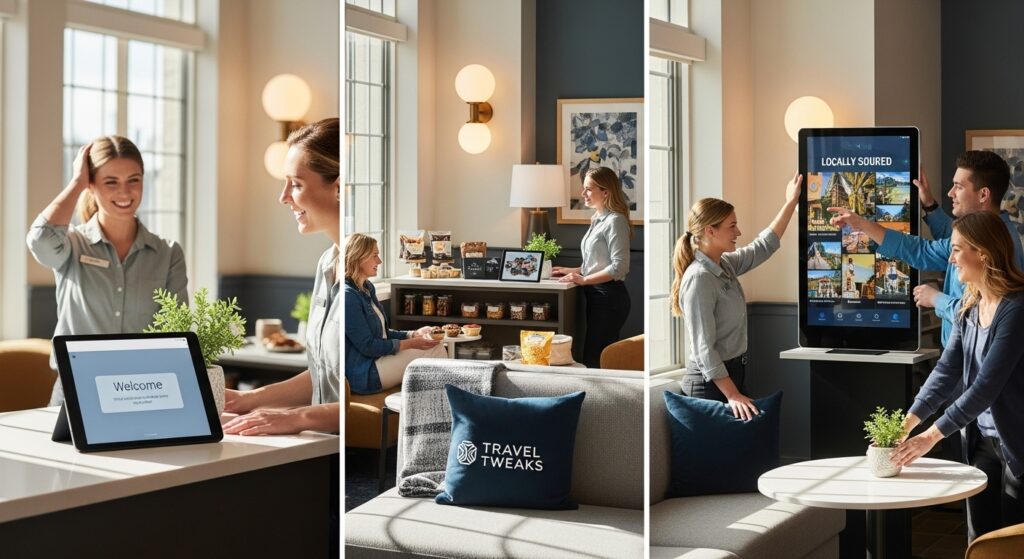
Hotels today face growing pressure to stand out in a competitive travel market. While major renovations can be costly and time-consuming, many hospitality experts emphasize the power of “travel tweaks”—small, strategic improvements that dramatically elevate comfort, convenience, and guest satisfaction. These tweaks are simple changes hotels can apply without major expense, yet they consistently enhance the overall guest experience and increase return visits.
This article explores the concept of Travel Tweaks Hotels, the benefits of implementing minor adjustments, and examples of practical tweaks that help hotels stay modern, appealing, and guest-focused.
1. What Are “Travel Tweaks” in Hospitality?
Travel tweaks are small-scale improvements hotels make to optimize the guest experience. They may include:
-
Enhancing room comfort
-
Upgrading technology
-
Adding personalized touches
-
Improving service flow
-
Streamlining check-in processes
These changes do not require full renovations or costly upgrades. Instead, they focus on thoughtful, impactful adjustments that reflect modern traveler expectations.
2. Why Travel Tweaks Matter for Hotels
Increased Guest Satisfaction
Today’s travelers expect convenience, comfort, and personalization. Small improvements help hotels meet those expectations without major investment.
Positive Reviews and Online Reputation
Guests frequently highlight small details in reviews—like lighting, USB ports, or complimentary amenities. These tweaks directly influence ratings on Google, TripAdvisor, and booking platforms.
Higher Return Rates
Travelers remember how a hotel made them feel. Improvements to comfort and service often encourage repeat visits.
Cost-Effective Upgrades
Instead of funding full renovations, hotels can implement tweaks gradually, keeping budgets manageable while improving guest perception.
3. Types of Travel Tweaks Hotels Can Implement
Comfort and Room Enhancements
Guests spend most of their stay in the room, making comfort tweaks highly effective. Examples include:
-
Better-quality pillows and linens
-
Adjustable lighting
-
Blackout curtains
-
Noise-reducing door seals
-
Upgraded mattresses
Even inexpensive bedding improvements can significantly enhance guest satisfaction.
Technology and Connectivity Tweaks
Modern travelers expect seamless digital access. Essential tech upgrades include:
-
Multiple USB ports near the bed
-
High-speed Wi-Fi
-
Smart TVs with streaming apps
-
Contactless check-in systems
-
Keyless room entry via mobile apps
Tech tweaks not only increase convenience but also appeal to younger generations of travelers.
Bathroom and Wellness Tweaks
Bathrooms influence guest comfort as much as bedrooms. Useful improvements include:
-
Higher water pressure showerheads
-
Soft, high-quality towels
-
Complimentary toiletries from eco-friendly brands
-
Better ventilation systems
-
Bright, clear lighting
Wellness features—like infused water in the lobby or complimentary yoga mats—also enhance relaxation.
Service and Staff Tweaks
Guest perception often depends on staff interactions. Effective service tweaks include:
-
Warm greetings upon arrival
-
Quick-response texting services
-
Tailored recommendations for dining and activities
-
Faster check-in processes
-
Multilingual support
Training staff to anticipate guest needs helps turn a good stay into an outstanding one.
Design and Atmosphere Tweaks
Hotels can refresh their look with low-cost design adjustments:
-
Updated artwork
-
Modern lobby furniture
-
Indoor plants and greenery
-
Soft ambient lighting
-
Scent branding in common areas
These tweaks help maintain a modern, inviting atmosphere without major renovations.
4. Travel Tweaks That Make a Big Difference
Personalization Touches
Guests love small gestures, such as:
-
Handwritten welcome notes
-
Complimentary snacks or water bottles
-
Local guidebooks in each room
-
Personalized Wi-Fi passwords
Personal touches help create a memorable experience that sets the hotel apart.
Sustainability Tweaks
Travelers increasingly prefer eco-friendly hotels. Simple sustainability improvements include:
-
LED lighting
-
Refillable toiletry dispensers
-
In-room recycling options
-
Energy-efficient appliances
-
Reduced linen washing programs
These changes lower operating costs and appeal to environmentally conscious guests.
Food & Beverage Tweaks
Even small adjustments in food service improve satisfaction. Examples:
-
Free coffee or tea stations
-
Healthy breakfast options
-
Locally sourced snacks
-
Grab-and-go meal kits
These tweaks cater to busy travelers who need quick and convenient dining choices.
5. Benefits for Hotel Operations
Improved Efficiency
Simple operational tweaks—like better housekeeping schedules or automated check-in—help staff work more efficiently.
Reduced Maintenance Costs
Minor upgrades such as LED bulbs, durable fabrics, or water-saving fixtures reduce long-term expenses.
Better Brand Identity
When guests consistently see thoughtful touches, the hotel builds a reputation for comfort, quality, and attention to detail.
6. Travel Tweaks and Guest Expectations
Travelers today look for hotels that combine convenience, comfort, and personalization. Many prefer hotels that offer:
-
Clean, modern design
-
Digital amenities
-
Quick service
-
Local touches that reflect the destination
Small tweaks help hotels stay aligned with evolving traveler expectations without a complete redesign.
7. Examples of Successful Travel Tweaks
Hotels worldwide have improved guest satisfaction through creative tweaks such as:
-
Installing bedside charging stations
-
Offering complimentary breakfast bags for early departures
-
Upgrading lobby seating with outlets
-
Adding local artwork to hallways and rooms
-
Providing aroma diffusers or essential oil kits
Each of these small updates has a noticeable impact on guest comfort and perception.
Conclusion
Travel Tweaks Hotels emphasizes the idea that small changes create large improvements in guest satisfaction, comfort, and loyalty. By focusing on thoughtful upgrades—whether technological, design-based, or service-oriented—hotels can elevate the overall travel experience without extensive investment. In a competitive hospitality market, these tweaks help hotels stand out, attract more guests, and keep travelers returning year after year.