
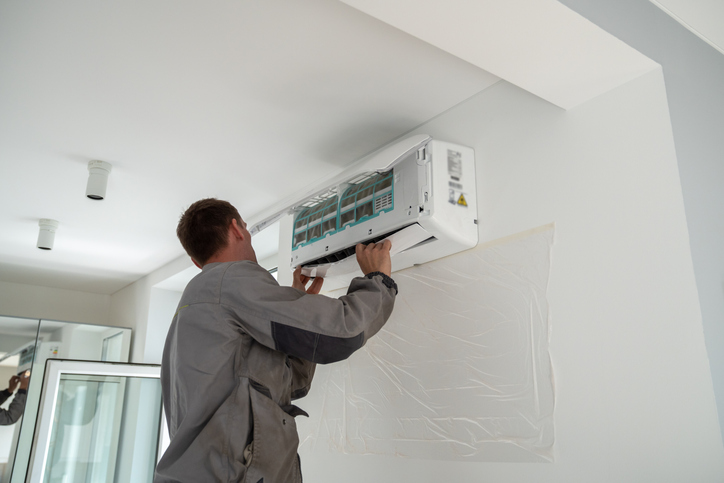
For many homeowners, heating and cooling accounts for the largest portion of their energy expenses, so every bit of efficiency gained during installation matters. A professionally planned AC installation is not only about comfort but can also have a dramatic effect on your monthly utility bills. Whether you’re building a new home or considering an AC replacement Hollywood, FL, understanding the fundamentals of efficient AC installation ensures you maximize savings from day one.
The installation phase determines how well your system will perform for years to come. Mistakes made now—like improper sizing or skipped sealing steps—can lock in high energy costs, uneven cooling, and more frequent repairs. By focusing on correct installation, you’re investing in both immediate savings and the long-term health of your HVAC system.
Not only do homeowners benefit financially, but proper AC installation also leads to improved indoor air quality, better humidity control, and quieter operation. This results in a higher level of comfort, as well as cost reduction, throughout the lifespan of your AC system.
As energy costs continue to rise and environmental standards become increasingly stringent, ensuring that installations are done correctly is more important than ever. Smart installation choices can reduce your reliance on the grid and decrease greenhouse gas emissions, supporting a more sustainable future.
Choosing the Right Size AC Unit
Selecting the correct capacity is the cornerstone of energy-efficient air conditioning. An AC unit that’s too small will constantly struggle to meet your cooling needs, running longer hours and consuming more energy. Conversely, an overpowered system short-cycles—switching on and off too quickly—which is inefficient, wears out components, and creates temperature fluctuations.
 Qualified HVAC professionals use tools such as Manual J load calculations, which consider square footage, insulation quality, window location, and local climate data, to recommend the optimal size. The U.S. Department of Energy offers valuable guidance on understanding load calculations and sizing air conditioners accurately. Accurate sizing sets the foundation for low energy bills and dependable comfort.
Ensuring Proper Installation Techniques
Even the most efficient system can fall short if not installed properly. Key considerations for correct installation include:
- Sealing and Insulating Ductwork: Unsealed or poorly insulated ductwork allows conditioned air to leak into attics or crawl spaces, significantly reducing system efficiency. The U.S. Department of Energy estimates that ducts that leak heated air into unheated spaces can add hundreds of dollars a year to your heating and cooling bills.
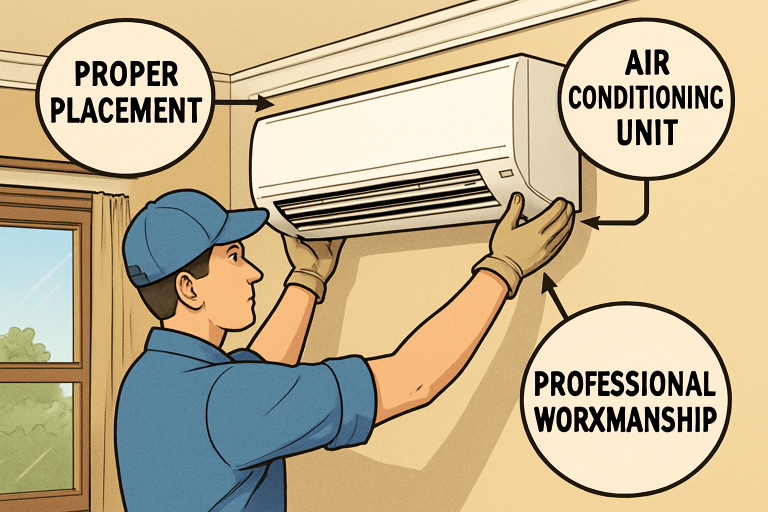
- Strategic Placement: AC units should be positioned for optimal airflow. Indoor air handlers function optimally in central, unobstructed locations, while outdoor condensers require adequate clearance and shade to maximize heat dissipation. Placing outdoor units in direct sunlight can decrease efficiency by up to 10%.
Professionals often use metering technology and vacuum testing to verify that refrigerant lines are airtight and correctly charged—another overlooked aspect that significantly improves performance.
Utilizing Advanced Technologies
Recent advances in AC technology go a long way in boosting efficiency and lowering energy bills:
- Inverter-Driven Compressors: Rather than cycling on and off at full power, inverters adjust output to maintain steady indoor temperatures. This reduces start-up power surges and keeps energy usage in check, improving efficiency by up to 30% compared to traditional models.
- Smart Controls and Zoning Systems: Smart thermostats learn your schedule and habits, automatically adjusting cooling to save energy when you’re away or asleep. Zoning divides your home into separate cooling areas so that only occupied rooms receive cooled air—no more wasting energy on empty spaces. According to Consumer Reports, homeowners can save up to 10% a year on heating and cooling costs by using a smart thermostat properly.
Regular Maintenance for Sustained Efficiency
Routine maintenance after installation ensures that your AC system continues to operate at peak performance:
- Air Filter Replacement: Change or clean filters monthly during periods of high use. Clogged filters block airflow, forcing the system to work harder.
- Refrigerant Level Checks: A low refrigerant level, often due to leaks, makes an AC less effective, increasing energy consumption and your bills. Regular technician visits catch these problems early.
- Coil Cleaning: Dirty evaporator or condenser coils reduce heat transfer, straining the system. Annual coil cleaning is recommended to maintain high performance.
Homeowners who keep up with seasonal tune-ups see fewer breakdowns, consistent comfort, and lower electricity bills. Neglecting maintenance causes the system to operate below its intended efficiency, leading to unnecessary costs and discomfort.
Financial Incentives and Environmental Impact
Switching to a high-efficiency AC system does more than lower utility costs—it also opens up numerous opportunities for financial savings:
- Rebates and Tax Credits: Government and utility-backed programs can help you reclaim up to 30% of your installation costs for select energy-efficient equipment. Local utility incentives typically range from $100 to $500, while certain states offer additional rebates on top of federal incentives. Check with your installer or power provider to maximize your available benefits.
- Reduced Carbon Footprint: Energy-efficient cooling reduces demand on the power grid, which in many regions still relies on fossil fuels. Upgrading your AC unit and maintaining it properly can significantly reduce your home’s greenhouse gas emissions.
In addition to immediate rebates and long-term utility savings, these investments increase the value of your home and support sustainability goals that benefit your community and the planet.
Final Thoughts
Getting AC installation right is key to controlling your utility bills and enjoying consistent comfort. The process begins with careful sizing and continues through precision installation, the adoption of modern technologies, regular maintenance, and the leveraging of financial incentives. By focusing on these areas, you achieve the most from your air conditioning investment while minimizing environmental impact and maximizing savings over your system’s lifetime.