
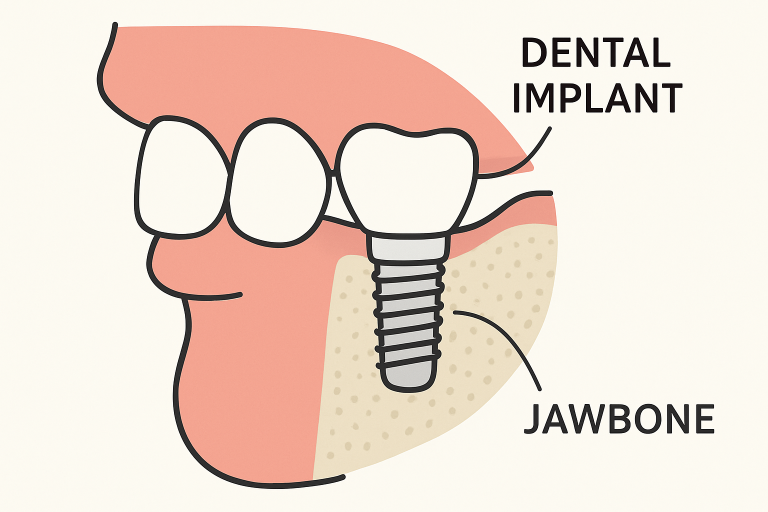
Dental implants have significantly improved the lives of countless people, providing a stable and beautiful replacement for missing teeth. Unlike traditional dentures or bridges, implants integrate with your existing bone structure to provide a long-term result that restores both function and natural aesthetics. If you’re considering this advanced restorative dentistry option, understanding the various procedures can help you feel confident about your oral health journey.
The demand for dental implants has grown in recent years as people discover the transformative potential these devices offer. Innovations in implant techniques now address everything from single missing teeth to entire arches. Modern solutions not only enhance bite function but also have a profound impact on self-confidence and overall quality of life.
With several implant methods available, from single-tooth replacements to all-on-four procedures, there’s an approach tailored for nearly every patient. Deciding on the right solution involves weighing the benefits, understanding the procedures, and following comprehensive care instructions to ensure your investment lasts a lifetime. Working with an experienced dental professional who can address your unique concerns is essential for long-term success.
This detailed guide explores the essentials of dental implants, discusses technology advancements, and reviews best practices for optimal maintenance. By focusing on durability, oral health, and aesthetics, dental implants have become the gold standard for tooth replacement.
Understanding Dental Implants
Dental implants are small posts, usually made of titanium, that replace the roots of missing teeth. These posts are surgically set into the jawbone, providing a secure foundation for new teeth—whether crowns, bridges, or dentures. As the jawbone heals, a process called osseointegration occurs, in which the implant fuses with bone tissue. This connection makes implants incredibly stable, functioning just like your natural teeth. The end result is a restoration that looks, feels, and performs just as well as—if not better than—original teeth. To understand more about dental implants, visit https://www.ora4x.com/services/dental-implants/the-ora-4x-process/.
Types of Dental Implants
Dental implant options have expanded to accommodate a wide range of patient needs. Common types include:
- Single-Tooth Implants: Ideal for individuals missing a single tooth, this method preserves adjacent teeth while seamlessly restoring your smile.
- Multiple-Tooth Implants: Suitable for patients missing several teeth, these implants can anchor bridges or partial dentures, offering firm support and improved chewing ability.
- Full-Arch Implants: Also known as All-on-4 implants, this technique utilizes four strategically placed implants to secure a full arch of replacement teeth. Documented since 1977, All-on-4 is a transformative solution for those who need to replace an entire row of teeth.
Benefits of Dental Implants
- Durability: Dental implants are engineered to last for many decades, sometimes a lifetime, with consistent oral hygiene and professional care.
- Preserved Oral Health: Unlike traditional bridges, dental implants do not alter or put pressure on neighboring teeth. They help maintain the integrity of your entire mouth.
- Exceptional Comfort and Function: Implants eliminate the instability common with removable dentures, allowing you to eat and speak with confidence.
- Aesthetic Appeal: Because they replicate the natural tooth structure, dental implants deliver a natural-looking smile, restoring self-assurance and quality of life.
Research from the Mayo Clinic highlights the high satisfaction and long-term benefits of dental implants compared to traditional tooth replacement solutions.
The Implant Procedure
Step 1: Initial Consultation
Your journey begins with a thorough dental examination and digital imaging to assess your bone structure and oral health. A customized treatment plan is then developed to address your specific needs.
Step 2: Surgical Placement
The dental implant is surgically positioned into your jawbone under local anesthesia. Modern minimally invasive techniques help to reduce discomfort and accelerate healing times.
Step 3: Osseointegration
Over the next several months, the implant post becomes firmly anchored as your bone grows around it. This is critical for the stability and longevity of your dental implant.
Step 4: Abutment and Crown Placement
Once integration is complete, an abutment is attached to the implant. Finally, your customized restoration—be it a crown, bridge, or denture—is securely affixed, blending seamlessly with your natural teeth.
Caring for Your Implants
- Brush and floss your replacement teeth daily to protect the implant site from plaque and harmful bacteria.
- Schedule routine dental visits for professional cleanings and assessment of your implant’s condition.
- Avoid biting down on hard objects, such as ice or nutshells, to reduce the risk of damage to your new teeth.
- Refrain from smoking, as it slows healing and can reduce the long-term success of your dental implant.
Studies highlighted by the Colgate Oral Care Center emphasize the importance of daily maintenance and follow-up appointments in achieving optimal outcomes with dental implants.
Potential Risks and Considerations
While dental implant procedures are considered safe and highly reliable, risks do exist. These may include:
- Infection at the implant site, particularly if aftercare instructions aren’t followed.
- Injury or damage to adjacent natural teeth, blood vessels, or nerves during surgery.
- Nerve damage can cause tingling, numbness, or discomfort.
- Sinus complications may occur if implants in the upper jaw protrude into the sinus cavities.
A knowledgeable dental expert will discuss these potential complications and address all your questions before proceeding.
Choosing the Right Dental Professional
The success and comfort of your dental implant treatment are directly tied to the skill and training of your chosen dentist or oral surgeon. Seek a provider with extensive implantology experience and a robust portfolio of satisfied patients. Request before-and-after images, check online reviews, and always verify the practitioner’s credentials and ongoing education in implant procedures. Open communication throughout the consultation process ensures realistic expectations and a positive outcome.
Conclusion
Dental implants have reshaped the field of restorative dentistry, providing a durable, natural-looking, and transformative solution for tooth loss. By understanding the various options, appreciating the benefits, and vigilantly maintaining your oral health, you can achieve a healthy, radiant smile for years to come. Begin with a thorough consultation, explore your options, and make a confident decision that best suits your lifestyle and needs.