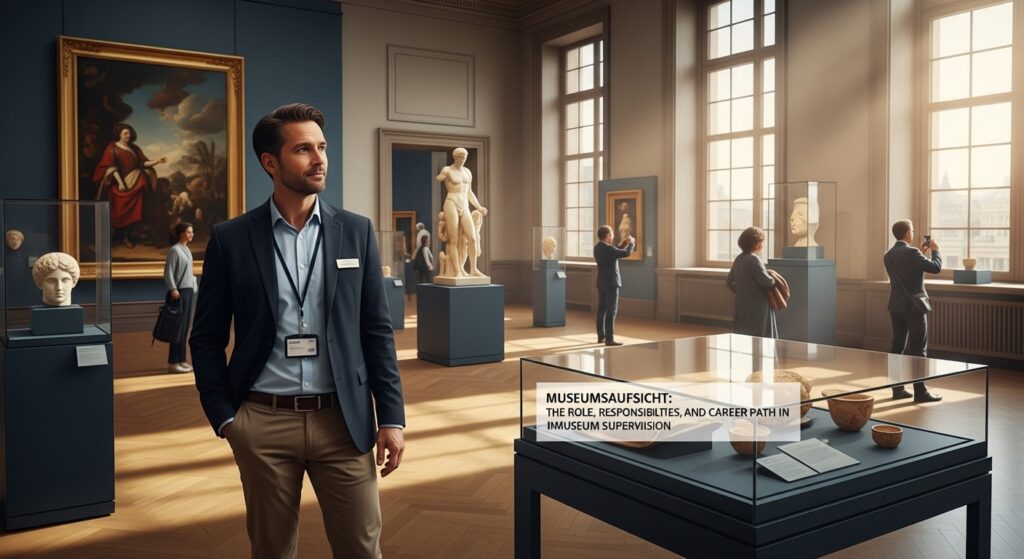
Museums are not just buildings filled with art, history, or scientific exhibits—they are living institutions that require skilled personnel to maintain security, visitor experience, and operational integrity. One essential role in the museum sector is the Museumsaufsicht, commonly referred to as a museum attendant or museum supervisor. This position is vital for ensuring that exhibits remain protected, visitors have an informative and enjoyable experience, and the museum operates smoothly every day.
This article explores what a Museumsaufsicht does, the skills required, career prospects, and why this role remains critical in cultural institutions worldwide.
What Is a Museumsaufsicht?
The term Museumsaufsicht originates from German and translates to “museum supervision” or “museum oversight.” In practice, this role involves:
-
Supervising galleries and exhibition areas
-
Ensuring the safety of visitors and artifacts
-
Providing information and assistance to the public
-
Monitoring museum rules and protocols
-
Supporting the operational and security framework of the museum
Museumsaufsicht positions are commonly found in art museums, historical museums, natural history institutions, and science centers. While responsibilities may vary slightly depending on the type of museum, the core function remains the same: maintaining a safe and respectful environment for both visitors and the collections.
Key Responsibilities of a Museumsaufsicht
A Museumsaufsicht performs a variety of tasks that are crucial to the smooth running of a museum:
1. Visitor Supervision
The primary responsibility is to observe and guide visitors within the museum premises. This includes:
-
Ensuring that visitors follow the rules (no touching exhibits, photography policies, etc.)
-
Assisting guests with directions or explanations about exhibits
-
Maintaining an approachable and professional presence
2. Artifact and Exhibit Protection
Preserving the integrity of museum collections is essential. Museumsaufsicht staff:
-
Monitor exhibition halls for any unsafe behavior
-
Alert management in case of accidents or potential damage
-
Conduct regular rounds to ensure all artifacts are secure
3. Operational Support
Museumsaufsicht also contribute to the daily operations, such as:
-
Managing entry and exit points
-
Coordinating with security staff
-
Reporting maintenance issues
-
Assisting in emergency procedures, like evacuation
4. Providing Information
While not formal guides, many Museumsaufsicht staff interact with visitors to:
-
Answer general questions about exhibits
-
Provide directions to galleries or facilities
-
Offer information about opening hours, ticketing, and museum programs
This role often serves as the public-facing part of the museum experience.
Skills Required for a Museumsaufsicht Position
Working as a Museumsaufsicht demands a mix of interpersonal, observational, and practical skills. Key skills include:
1. Communication Skills
Being able to communicate clearly and politely with visitors is essential. A good Museumsaufsicht can provide assistance without disrupting the visitor experience.
2. Observation and Vigilance
Monitoring both people and exhibits requires keen attention to detail and awareness of surroundings.
3. Problem-Solving
From minor disputes among visitors to urgent maintenance or security issues, Museumsaufsicht staff must think quickly and act appropriately.
4. Professionalism and Courtesy
Museums are spaces of culture and education, and staff must model respectful behavior at all times.
5. Physical Stamina
The job often requires standing or walking for long periods, making physical fitness and stamina valuable.
6. Knowledge of Museum Rules and Protocols
A basic understanding of the museum’s collections, policies, and emergency procedures is crucial for effective supervision.
Educational Requirements
Most Museumsaufsicht positions do not require advanced degrees, but certain qualifications and training enhance employability:
-
High school diploma or equivalent is typically required
-
Courses in museum studies, art history, cultural management, or history can be advantageous
-
Training in first aid, fire safety, or security procedures is highly recommended
-
Multilingual abilities are useful in museums with international visitors
Experience in customer service, security, or education can also strengthen a candidate’s profile.
Career Path and Advancement
While the Museumsaufsicht role is often an entry-level position, it provides valuable experience and pathways for career growth within cultural institutions:
1. Specialized Museum Roles
With experience, a Museumsaufsicht can transition into positions such as:
-
Museum guide or educator
-
Exhibit coordinator
-
Security supervisor
-
Visitor services manager
2. Administrative and Curatorial Careers
Long-term career growth may lead to more strategic positions:
-
Curatorial assistant
-
Collections manager
-
Museum operations coordinator
Many museum professionals begin their careers in supervision roles, gaining insight into operations, visitor behavior, and institutional management.
Working Conditions
Museumsaufsicht positions involve diverse working conditions, depending on the museum type:
-
Full-time or part-time schedules
-
Rotational shifts, including evenings or weekends
-
Work in climate-controlled galleries with some exposure to large crowds
-
Regular interaction with visitors of all ages and backgrounds
Because the job involves responsibility for both visitors and collections, it can be demanding but also highly rewarding for individuals passionate about culture, history, and public service.
The Importance of Museumsaufsicht
Museumsaufsicht staff play an indispensable role in preserving culture and ensuring visitor satisfaction. Their contributions include:
-
Protecting priceless collections from damage or theft
-
Enhancing visitor experiences through guidance and support
-
Maintaining safety and order in public spaces
-
Supporting educational outreach by providing context or explanations
In essence, Museumsaufsicht staff are the bridge between the museum’s treasures and its audience, making culture accessible while keeping it safe.
Why Choose a Museumsaufsicht Career?
Individuals who choose this career often value:
-
Passion for history, art, or science
-
Interaction with the public
-
A structured work environment with clear responsibilities
-
Opportunities for growth in the cultural sector
-
The satisfaction of contributing to cultural preservation
For those who enjoy being in a structured, public-facing role while working in a culturally rich environment, Museumsaufsicht is an excellent choice.
Conclusion
The role of Museumsaufsicht is a cornerstone of museum operations. It blends security, visitor interaction, and operational support, ensuring that both the museum and its visitors benefit from a safe, organized, and informative environment. For individuals interested in combining a love for culture with professional responsibility, a career as a Museumsaufsicht offers unique opportunities to engage with the public, develop valuable skills, and grow within the cultural and museum sectors.
In a world where museums serve as repositories of knowledge and culture, the Museumsaufsicht role remains not only relevant but vital, bridging the gap between priceless collections and the people who come to learn from them.