
A high-quality home is more than just a place to live—it represents long-term comfort, safety, and value. When construction standards are carefully maintained, homeowners gain peace of mind knowing their investment is structurally sound and built to last. Clear communication between builders, contractors, and homeowners plays a key role in achieving these results. Ensuring home construction quality is a priority for both homeowners and builders. Taking a proactive approach reduces the risk of defects, prevents expensive repairs, and enhances the overall durability and safety of your property. From the initial planning stages to years after move-in, addressing quality concerns early is vital for a positive building experience.
Homebuyers and developers who establish strong quality-control practices lay the foundation for long-lasting satisfaction and peace of mind. By incorporating these strategies, you can mitigate risks, avoid disputes, and ensure each phase of the build meets — or exceeds — expectations. Involving all stakeholders, using technology, and encouraging regular inspections are just a few ways to maintain high construction standards and identify potential concerns before they escalate.
Maintaining quality is not just about compliance or codes; it’s about protecting your investment and fostering trust among project contributors. With well-planned systems for communication, monitoring, and documentation, you minimize surprises and promote a seamless process.
This guide outlines proven methods for consistently achieving and maintaining excellent construction standards, providing practical tips for both builders and homeowners. Explore each strategy in detail below.
Comprehensive Planning and Design
Successful home construction begins with comprehensive planning and expert design. An experienced team of architects and engineers must carefully address every detail in the blueprints, taking into account local building codes, site-specific risks, and functional design requirements. Early investment in pre-construction analysis—such as soil testing and structural assessment—reduces the likelihood of future defects. Proactive review and refinement of project plans ensure common pitfalls, such as foundation settlement or improper drainage, are avoided before ground is even broken.
Effective Communication and Collaboration
Effective communication is crucial for maintaining alignment among stakeholders, contractors, and clients. Adopting collaborative project management platforms enables everyone involved to track progress, report concerns, and resolve issues in real time. Regular project meetings, clear documentation, and transparent change logs reduce misunderstandings and prevent minor problems from escalating. Good communication not only drives higher construction quality but also strengthens relationships for future projects. For more information on optimizing project success, major construction industry resources, such as ConstructConnect, provide valuable insights on fostering strong collaboration.
 Continuous Monitoring and Quality Control
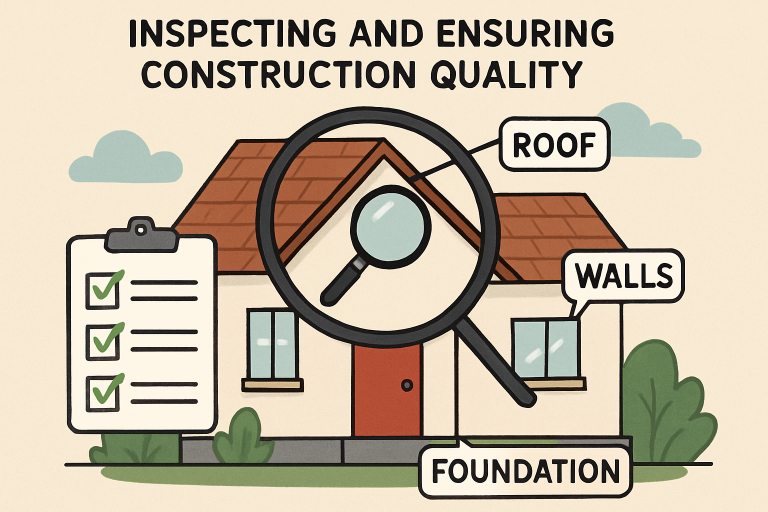
Rigorous quality control throughout all construction phases is non-negotiable for top-tier results. From laying the foundation to interior finishes, routine inspections must be scheduled. By leveraging digital inspection tools and mobile audit apps, builders can conduct systematic checks and document deviations from the original plans immediately. Automated reporting and photo records make it easier to identify and correct issues on the spot. Quality management systems built around ISO 9001 or comparable standards set a baseline for accountability and thoroughness.
Advanced Technology Integration
New advancements in construction technology provide a competitive edge in both the speed and accuracy of quality management. Drones provide aerial surveys to quickly monitor large sites, identifying issues that may not be visible from ground level. Augmented reality (AR) overlays design plans on the job site, enabling crews to visualize complex details and identify inconsistencies early. Sensors embedded in concrete provide real-time updates on curing conditions, ensuring that quality benchmarks are consistently met. Technology not only streamlines workflow but also strengthens the precision and thoroughness of construction-specific quality controls. For more information about the latest technology trends in construction, visit ForConstructionPros.
Third-Party Inspections
Hiring qualified third-party inspectors is an excellent way to provide objective oversight. These professionals can identify hidden deficiencies—such as improper waterproofing or substandard framing—that internal site teams might overlook due to routine familiarity with the site. Their independent evaluations bolster credibility and document compliance with national safety standards and building codes. For homeowners, third-party review reduces anxiety and offers greater assurance that their investment is structurally sound and built to last.
Detailed Records and Documentation
Detailed documentation is crucial for tracking progress, verifying quality, and supporting any claims related to construction defects. Every stage—inspection reports, change orders, materials used, and maintenance logs—must be accurately recorded and safely stored. Cloud-based documentation platforms offer easy access and backup protection, allowing all parties to verify details as needed. This exhaustive record-keeping also simplifies future renovations and proves invaluable during resale or in the event of legal disputes.
Client Involvement
Including the client throughout the construction process builds trust and ensures expectations are consistently met. Frequent updates, walkthroughs, and opportunities for feedback keep owners engaged and reduce the potential for costly miscommunications or disputes. Well-informed clients participate more confidently in decision-making, resulting in significantly greater satisfaction with the completed home.
Post-Construction Maintenance
The obligation to maintain quality continues after move-in. Scheduled inspections and preventative maintenance can address minor wear before it leads to significant repairs, preserving the lifespan and value of the property. Homeowners who adhere to regular routines—such as checking their roofing, plumbing, and foundation—tend to save thousands on avoidable repairs. This is especially true in areas prone to environmental stress, such as neighborhoods subject to heavy rainfall or flooding, where early detection of issues like blocked drains is critical.
Adopting these methods ensures that each project is delivered with the highest standards of quality and reliability, creating homes that stand the test of time.