
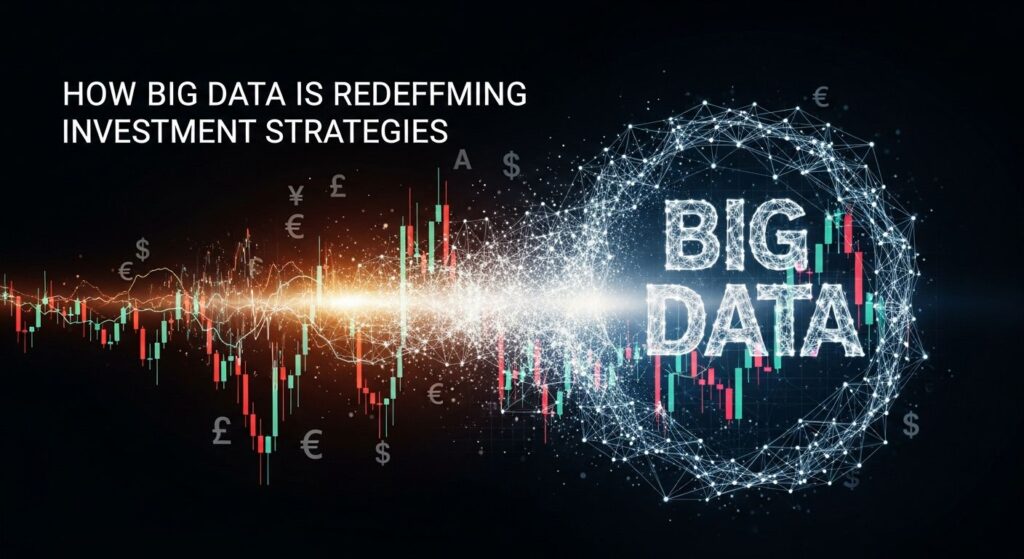
Big Data has become one of the most powerful tools in modern finance. It helps investors make smarter, faster, and more data-driven decisions. Platforms like felix markets have embraced this shift by integrating analytics and artificial intelligence into their systems. If you ask me, understanding data is no longer a luxury; it’s a requirement for anyone serious about investing.
The Connection Between Data and Decision Making
Actually, it’s fascinating how the way we invest has changed in just a few years. Before Big Data, most investors relied on instinct, experience, or market rumors. Now, they rely on patterns hidden deep inside thousands of data points. From sentiment analysis to market predictions, information has turned into the new form of currency.
This situation can directly affect the outcome.
Because when decisions are made based on clean, structured, and relevant data, the chance of success increases dramatically. But if the data is misinterpreted or incomplete, the exact opposite happens. Its power cuts both ways.
To be honest, many people think Big Data automatically guarantees accuracy. It doesn’t. It’s still only as good as the person interpreting it.
The Role of Platforms Like felixmarkets
Well, let’s be clear. Not all financial platforms are created equal. Some use data as a marketing buzzword, while others, like felix markets, build their entire ecosystem around it. The difference lies in how insights are processed and presented. Smart platforms translate complex information into understandable actions, making it possible for regular users to benefit from what used to be expert-level analysis.
A short thought fits well here. Data only matters if people can actually use it.
Yet, accessibility alone isn’t enough. Without proper financial literacy, even the most advanced tools can lead to poor results. I was honestly surprised by how often investors ignore context and follow numbers blindly, assuming data will always lead them in the right direction.
How Big Data Transforms Investing
- Predictive Analytics: Algorithms now forecast market trends before they become visible.
- Sentiment Tracking: Investor mood can be quantified through social media and news.
- Risk Management: Real-time alerts prevent impulsive or emotional trading.
- Portfolio Optimization: Systems balance assets automatically for better returns.
Each of these technologies has changed the way decisions are made, but together they form something larger — a digital layer of intelligence that surrounds every trade.
Challenges Hidden in the Data
Because not everything about Big Data is perfect. Sometimes more information leads to confusion instead of clarity. Investors start chasing patterns that don’t exist, creating false confidence. To be honest, data can mislead just as easily as it can guide.
If you ask me, the main problem isn’t the data itself but our growing dependence on it. When algorithms make decisions faster than humans can think, emotional balance becomes even more important.
But is that really enough? Can intuition still compete with automation?
These are questions many experts at felixmarkets continue to explore as technology evolves.
The Future of Data-Driven Investing
Yet, one thing feels certain. The investors who learn to combine analytical thinking with emotional awareness will lead the future. Big Data doesn’t remove uncertainty; it helps us understand it better. And understanding, in finance, is half the victory.
Its influence might not always be visible at first glance, but over time, it shapes every market move, every trade, and every financial outcome.
I guess many people feel this way — that data is both a guide and a gamble. But when used wisely, especially through platforms like https://felixmarketsyatirim.com/ , it turns into something greater: a partnership between human intuition and machine intelligence.
And that partnership, if you ask me, is what will define the next era of investment strategies.