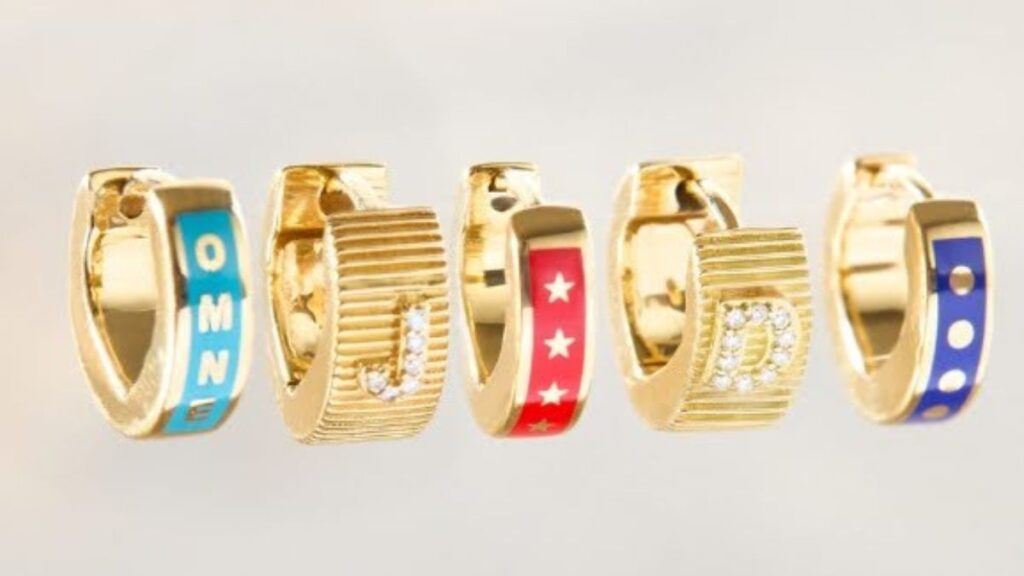
There’s a quiet revolution happening in the jewelry world. Couples are stepping away from the traditional diamond and choosing something that feels more personal. non diamond engagement rings are changing the definition of “forever.”
They’re bold. They’re expressive. They tell a story.
And for a growing number of people, they feel a lot more real.
Diamonds Aren’t the Only Way to Say Forever
For decades, diamonds ruled engagement culture. The sparkle. The tradition. The idea that bigger meant better.
Things are different now.
People want meaning, not marketing. They want a ring that reflects their story—not someone else’s.
That’s where non-diamond engagement rings come in.
They’re not about rejecting tradition. They’re about rewriting it.
Why the Shift?
Three big reasons.
- Personality. Not everyone connects with diamonds. Some people prefer warmth over sparkle, or color over clarity. Gemstones open up infinite possibilities.
- Value. Diamonds are expensive, mostly because of decades of marketing and artificial scarcity. Many gemstones offer equal or greater beauty at a more accessible price.
- Meaning. Each gemstone carries symbolism. Rubies for passion. Emeralds for renewal. Sapphires for loyalty. Stones with stories—just like the people who wear them.
It’s not about saving money. It’s about spending intentionally.
The Allure of Gemstones
Every gemstone brings its own energy. Its own mood. Its own fingerprint.
Here are some of the most popular choices for non-diamond engagement rings right now:
- Sapphire: Known for loyalty and truth. Blue sapphires are timeless and royal—literally. Kate Middleton’s ring? Sapphire.
- Emerald: Deep green, rich, and organic. Symbolizes growth, love, and vitality. Perfect for nature lovers.
- Ruby: Intense red with fire in every facet. The ultimate symbol of passion and devotion.
- Morganite: Soft pink tones that glow in any light. Romantic, subtle, and elegant.
- Aquamarine: Light blue, calm, and clear. Evokes peace, balance, and ocean energy.
- Tourmaline: Comes in stunning shades—green, pink, watermelon. Modern and full of attitude.
- Moonstone: Milky and mysterious. Represents intuition, feminine power, and new beginnings.
Each stone creates its own kind of beauty. No two look alike.
That’s part of the magic.
Breaking Free from the “Rules”
For decades, engagement rings were sold as a formula. Diamond. Solitaire. White gold. That’s it.
Love isn’t formulaic. It’s unique. Messy. Real. Choosing a gemstone instead of a diamond breaks that script.
It says, “Our love isn’t cookie-cutter.”
And that’s powerful.
Color Means Emotion
Color adds life to jewelry. It adds emotion to the moment.
A deep blue sapphire feels calm, collected, and wise.
A pink morganite feels soft, sweet, and modern.
A green emerald feels alive, lush, and bold.
When you look down at your hand every day, that color means something.
It’s not just shine—it’s a feeling.
The Craftsmanship Behind Gemstone Rings
Quality matters more with gemstones. Unlike diamonds, they vary more in tone, clarity, and cut.
A good jeweler knows how to showcase the stone without overpowering it.
That’s why collections like Broken English Jewelry’s non-diamond engagement rings stand out. Their artisans focus on craftsmanship, not just carats.
Every setting highlights the gem’s natural character. Whether it’s a bezel setting for modern simplicity or a halo design for extra sparkle, the attention to detail shows.
Each ring feels like it was made for someone, not just for sale.
Vintage Revival
Another big trend tied to this movement is the rise of vintage-inspired rings.
Think: art deco lines. Filigree details. Soft milgrain edges.
Many non-diamond engagement rings draw inspiration from the early 1900s, when colored gemstones were actually the norm.
It’s not just a style trend. It’s a nod to a time when jewelry had soul.
Ethical Considerations
There’s also an ethical shift happening.
The diamond industry’s history isn’t spotless. Many couples want to avoid that baggage altogether.
Gemstones, especially when ethically sourced, offer a cleaner conscience.
Sapphires from Sri Lanka. Emeralds from Colombia. Morganite from Madagascar. When traced and responsibly mined, they tell a story of craftsmanship and care.
That matters to a generation that values transparency over tradition.
Customization Is Key
Gemstone rings invite creativity.
You can pick the exact hue you want—deep or pale, cool or warm. You can mix metals, shapes, and settings.
Yellow gold makes colors pop. Rose gold softens the look. Platinum feels sleek and modern.
Some couples choose two stones, symbolizing their partnership. Others design around birthstones or shared memories.
It’s a playground of personalization.
And unlike diamond rings, where size and clarity dominate the conversation, gemstones let style and story lead the way.
The Psychology of Choice
Choosing a gemstone over a diamond says something about how people view relationships today.
It’s not about checking boxes. It’s about connection.
Non-diamond engagement rings reflect individuality. They show you’re thinking about meaning, not marketing.
They’re less about status, more about soul.
Maintenance and Care
Every gemstone is different in hardness and care.
Diamonds are the hardest, yes—but that doesn’t mean gemstones are fragile.
Here’s what you should know:
- Sapphire and ruby: 9 on the Mohs scale. Tough and durable for daily wear.
- Emerald: Softer, around 7.5–8. Needs a bit more care.
- Morganite and aquamarine: Similar range. Clean with mild soap and warm water.
- Moonstone: Softer still, best for occasional wear or protective settings.
Most people simply take their rings off for gym workouts or rough tasks. That’s all it takes to keep them stunning.
Cost Without Compromise
Here’s a hard truth: diamonds are priced to feel rare.
Gemstones? Not so much.
You can often get a larger, more vivid stone for less than half the cost of a comparable diamond ring.
That doesn’t mean “cheap.” It means value.
It means your budget goes toward beauty and design, not hype.
And when you invest in quality craftsmanship, your gemstone ring will last generations—just like any diamond.
Matching Bands and Styles
Pairing bands with non-diamond engagement rings opens even more options.
A minimalist gold band can make a bright gemstone pop.
A diamond-accent band adds subtle sparkle without overpowering the color.
Stackable rings create a layered, modern aesthetic.
You can mix metals. Blend textures. Play with geometry.
Gemstone rings open up endless styling freedom.
The Emotional Impact
There’s something deeply personal about seeing color on your finger every day.
Diamonds reflect light. Gemstones reflect life.
When someone chooses your favorite color, your birthstone, or a stone tied to a memory, it means they thought about you.
That emotional connection is priceless.
And that’s why so many couples are turning toward non-diamond engagement rings. They just feel more personal.
Celebrities Are Doing It Too
It’s not just everyday couples.
- Princess Diana and Kate Middleton wore sapphire.
- Jessica Simpson chose ruby.
- Blake Lively has a pink diamond with rose gold (a hybrid trend).
- Penélope Cruz sports a blue sapphire.
- Halle Berry rocked emerald.
Celebs are leading the way toward individuality and away from diamond dominance.
The Future of Engagement Jewelry
The next generation doesn’t want rules—they want relevance.
Non-diamond engagement rings check every box: ethical, beautiful, personal, and practical.
They celebrate uniqueness in a world full of copies.
They tell stories that go deeper than sparkle.
And that’s what makes them timeless.
Final Thoughts
Love doesn’t need to follow tradition to be meaningful.
If you’re drawn to color, story, or symbolism, there’s no reason to stick with the standard diamond.
Gemstones offer a richer spectrum—literally and emotionally.
So whether it’s a glowing sapphire, a romantic morganite, or a fierce ruby, the message stays the same:
This love is ours. It’s unique. It’s forever.
And that’s the real beauty behind the rise of non diamond engagement rings — a new kind of forever for a new kind of love.