
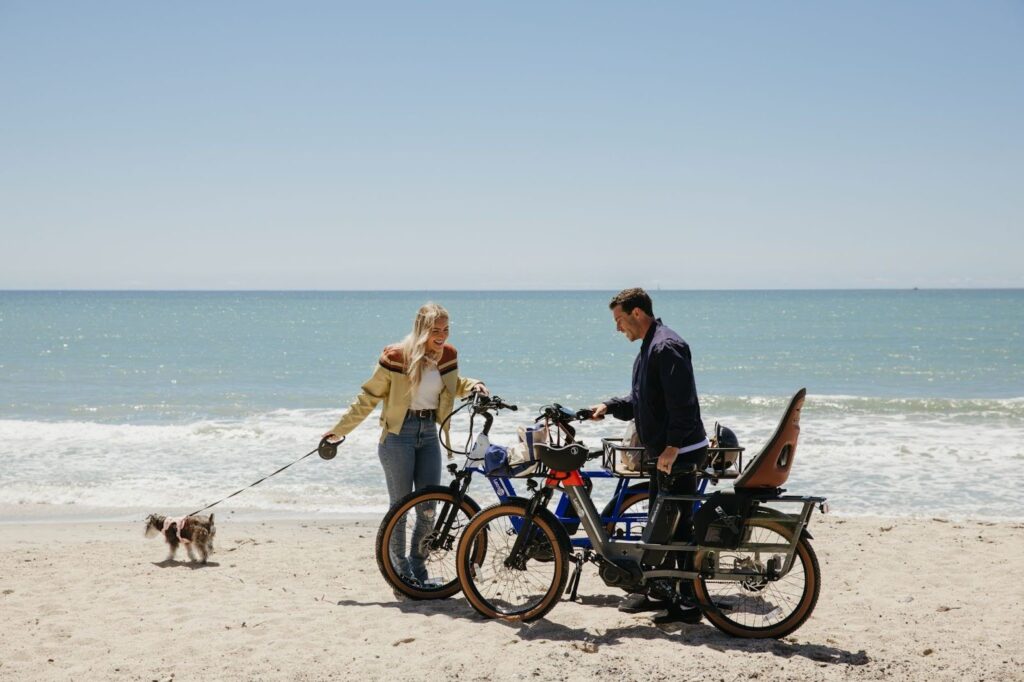
Shopping for your first electric cargo bike can feel like a lot. This checklist gives you the 10 essentials to choose well the first time, covering the frame, motor, battery, brakes, and the add-ons you will use every day. A quick note on charging time up front: most packs take about 4 to 7 hours to go from low to full with a standard charger, and faster chargers can cut that roughly in half. Keep reading for the details and how this affects real-world range.
Cargo E-bike Basics for First-Time Buyers
1. Pick the right frame style
Start with how you will use the bike. Longtails carry two kids and big bags with steady handling. Midtails are shorter and easier to store in apartments. Front loaders, also called box bikes, shine for bulky loads and small kids who like to sit up front. Compact cargo frames split the difference for tight hallways. Try some slow turns and walk the bike in the shop. Those moments show how the frame will feel day to day.
2. Match motor type to your hills
Mid drive motors use your gears to climb smoothly and manage heavy loads on steep streets. Geared hub motors are simple and budget friendly, great for flatter routes and moderate cargo. Look for steady takeoff from a stop, good low speed control, and a useful walk assist. If your area is hilly or you plan to carry two passengers often, a mid drive is usually the safer pick.
3. Check payload and rack ratings
Add up the rider, kids, bags, and accessories. Compare that number with the bike’s total payload rating and each rack’s rated capacity. You want some margin, not a setup near the limit. A stiff frame and wider tires help the bike stay stable at low speed, especially when you start and stop at busy intersections.
Battery and Charging: How Long Does It Take?
4. Understand capacity and real-world range
Battery size is listed in watt hours, or Wh. A bigger Wh number gives more miles, but load and terrain still matter. As a quick guide, expect 20 to 50 miles per charge on a single battery with mixed riding. Heavy cargo, headwinds, and hills pull that number lower. Smooth paths and slower speeds push it higher. If school runs, grocery stops, and a commute stack up in one day, think about a dual battery cargo ebike.
5. Plan your charging routine
With a standard charger, a 500 to 700 Wh pack usually needs 4 to 7 hours from low to full. A higher amp fast charger can trim that time, and you should check the brand’s guidance to protect battery life. Many families top up at home each night so the bike is ready every morning. If your workplace has outlets, a 60 to 90 minute midday charge can add solid range for the ride home.
6. Protect battery health
Lithium batteries last longer when you avoid full drains and long stretches at 100 percent. Try to stay between 20 percent and 90 percent for daily use, and store the bike in a cool, dry place. In winter, keep the battery indoors when you can and put it back in right before the ride. Good habits here save money over the years.
Accessories for Families Cargo Ebikes
7. Choose the right child seating and handholds
For toddlers, rear child seats with tested mounts are the simplest start. For school age kids, use a strong rear deck with running boards, rail systems or handholds, and a high visibility bell. Always use kid helmets and teach a simple rule before you roll: “feet on boards, hands on rails.”
8. Spec tires, brakes, and lights for load
Choose hydraulic disc brakes with large rotors for smooth, strong stops under weight. Pick puncture resistant tires in the 2.3 to 2.8 inch range for grip and comfort. Run bright front and rear lights that are wired to the main battery so you never forget to charge them. Add a rear wheel guard or skirt to keep clothing and small fingers clear.
Test Ride Checklist and Final Tips
9. Do a loaded test ride and storage check
Bring what you plan to carry, like kids, panniers, or a bag of rice to mimic groceries. Practice starts, slow turns, and quick stops in a safe area. Listen for creaks, watch for wobble, and make sure the kickstand holds the bike steady while you load. Then confirm the basics that make daily life easy: weight you can lift, width that fits your hallway or elevator, and a lock setup you trust.
10. Know the rules and service plan
Check local e-bike class rules for paths and speed limits. For long term confidence, ask the shop about pad and tire wear under load, chain and belt care, and tune up timing. Keep a simple kit at home: a pump with a gauge, a spare tube or plug kit, extra brake pads, and basic hex wrenches. A small routine, like checking tire pressure once a week, keeps the bike safe and range strong.
Putting it all together
Your first electric cargo bike should feel calm with weight, stop with authority, and fit your space. Frame style sets the tone. Motor choice matches your hills. Battery size plus smart charging covers your longest day without range stress. The right accessories turn it into a school run and weekend errand hero. For many households, families cargo ebikes replace short car trips, save on parking, and make daily life more fun.
Quick starter specs to aim for
- Payload: enough for rider plus kids plus bags with extra margin
- Brakes: hydraulic discs with large rotors
- Tires: wide, puncture resistant, properly inflated for load
- Battery: size that meets your longest day with 20 to 30 percent in reserve
- Motor: mid drive for steep routes or heavy loads, hub for flatter rides
- Lights: always on, wired to the main battery
- Kickstand: stable, dual leg style for loading kids and groceries
Final word
Buy the bike that fits your route and your life, not only the spec sheet. Test it loaded. Practice a few emergency stops. Map your charging routine. Once those 10 boxes are checked, your electric cargo bike becomes a simple, reliable tool that turns daily trips into quick rides and gives you back time with the people you carry.