
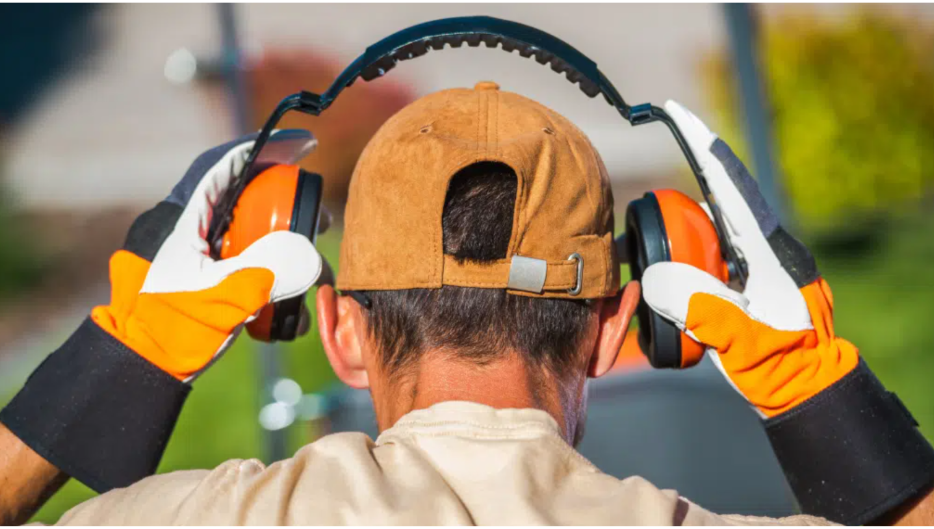
Melbourne’s industrial landscape continues to grow and change. The strong ecosystem of noise and movement includes factories, transport networks, construction sites, and modern offices. The energy of this ecosystem constantly challenges the protection of workers, and the health threats they face over time. Historically, Melbourne audiometric testing has been solely on the hearing conservation. At the same time, the vibration monitoring has been treated as merely a mechanical protection. These areas have now started to work together, forming the basis of a new workplace wellbeing model. One that views the sensory and the physical health of workers as an integrated whole.
The evolving science of occupational exposure
Noise and vibration exposure are now treated as a single hazard. The science shows there is an interaction; workers exposed to excessive sound and mechanical vibration together (for example, from hand tools, vehicles, or plant machinery) face an increased risk of exhaustion, nerve damage, and heart strain.
Each hazard has a different impact on Melbourne’s construction and manufacturing sectors. An audiometric testing program that ignores vibration exposure will likely miss certain indicators of overall occupational strain. On the other hand, anitech vibration monitoring focused solely on equipment and ignoring the human side may miss the exposed cumulative and persistent health deterioration.
Protecting workers’ health in Victoria will involve the use of integrated monitoring systems where data derived from sound and vibration assessments will provide a comprehensive view of exposure and recovery.
From predictive health to periodic testing
For a long time, audiometric testing in Australia took place within a predetermined framework: a baseline test on hiring, followed by every two years. This met the requirements for regulation, although it failed in terms of prevention. This is rather changing with new technologies.
Most audiometric testing in Melbourne is now performed with digital equipment, which is also portable and battery-operated. This equipment captures audiometric results and stores them, allowing data to be transferred into occupational health systems and compared to other tests performed on the patient in the recent past. Shift trends will show in time frames that dramatically reduce the time between traditional reviews of the data.
When systems are integrated with vibration monitoring, patterns begin to take shape. For example, gradual but steady permanent threshold shifts can occur alongside significant daily vibration stress, indicating potential stress to the inner ear, or even vasculature. In these cases, early measures such as adjustments to work rotation, tool selection, maintenance schedules, or other scheduled maintenance can help prevent escalating permanent damage.
Such measures can transform hearing testing from the reactive compliance task to the more useful predictive health model framework.
Urban exposure and evolving regulations–The Melbourne factor
With its many different industries, Melbourne has a unique mix of noise and vibration problems. From construction and manufacturing to transport and tech, they ALL have potential noise and vibration problems. The construction boom has increased exposure levels and, in outer suburbs, transport and warehouse facilities create additional vibration exposure from prolonged vehicular movements.
WorkSafe Victoria and other Victorian regulators have taken an interest in proactive health measures in the other potential risk areas of the OHS noise and vibration guidelines. Workplace health noise and vibration regulations already allocate the risk responsibility to the employer. Now that the market has shifted to data driven safety tech, the expectation is that safety regulators will soon demand an integrated approach between the noise, vibration and health exposure data.
Expectations of future compliance will provide value to employers that invest in integrated audiometric testing and vibration monitoring systems. There is also significant value to the employer in understanding their workforce health.
Connecting vibration data to human health outcomes
Advanced vibration monitoring technology records how long and how intensely a worker is exposed to hand-arm or whole-body vibrations, which is then integrated into vibration risk dashboards. These data can also be integrated into occupational health dashboards. When combined with audiometric data, occupational health dashboards become truly versatile.
For instance:
Exposure to high frequency vibrations can affect blood flow and health of the ears.
Vibration of vehicles can account for changes in the transport sector’s fatigue-related hearing threshold.
Vibration log data at the machine level can pinpoint which equipment creates mechanical and acoustic hazards.
With these combined insights, Melbourne businesses can considerably exceed compliance as exposure standards become the baseline. Exposure standards allow businesses to focus their resources to the equipment, roles, or conditions with the most significant health impacts.
Cultural change: using data to prevent issues
Unlike technological shifts, the most profound changes in Melbourne workplace health stems from a workplace culture shift. The focus of workplace health has shifted from compliance to continuous improvement which is driven by data.
When audio and vibration metrics are visualized—using dashboards, trend maps, or health risk quadrants—workers and managers identify correlations and relationships. They connect daily habits or routines to measurable results. Visibility promotes shared responsibility: supervisors improve their machine maintenance routines, operators are more consistent in using PPE, and health teams respond more quickly.
Data transforms from a negative, hearing and vibration protection is something workers must comply with, to something they want to understand.
As for What’s Next
The next stage for audiometric testing in Melbourne is the direct integration with vibration monitoring and the other components of occupational hygiene—dust control, heat stress, air quality, and fatigue monitoring. These integrated systems will offer real-time risk profiles for various job types, allowing for smarter rostering and control planning.
Australian workplaces are ready for this change. As technology becomes more affordable and mobile testing more readily available, even small firms will be able to implement enterprise-grade safety intelligence. The aim is more than regulatory compliance and more about longevity—preserving the workforce’s ability to hear, move, and thrive for decades.
Bottom line: For Melbourne, combining audiometric testing with vibration monitoring is a milestone in occupational health. It goes beyond simply monitoring sound and movement. It is the construction of health-conscious, responsive workplaces. With the valuing of health as an asset, the future will have prevention as a practice, not just a policy. Workplaces will listen to data and act in real-time. Health and safety monitoring will be advanced and proactive.